10 Pro Tips How to Pick Green Beans
Picking green beans at the correct stage determines both flavor and yield for the remainder of the season. Knowing how to pick green beans involves recognizing pod diameter, seed development, and stem attachment mechanics. A bean harvested too late develops fibrous strings and mealy seeds. A bean harvested too early lacks the crisp snap that defines quality. The window is narrow, typically 50 to 65 days after sowing for bush varieties and 55 to 70 days for pole types. Each cultivar exhibits distinct maturation signals tied to its genetics and photoperiod response.
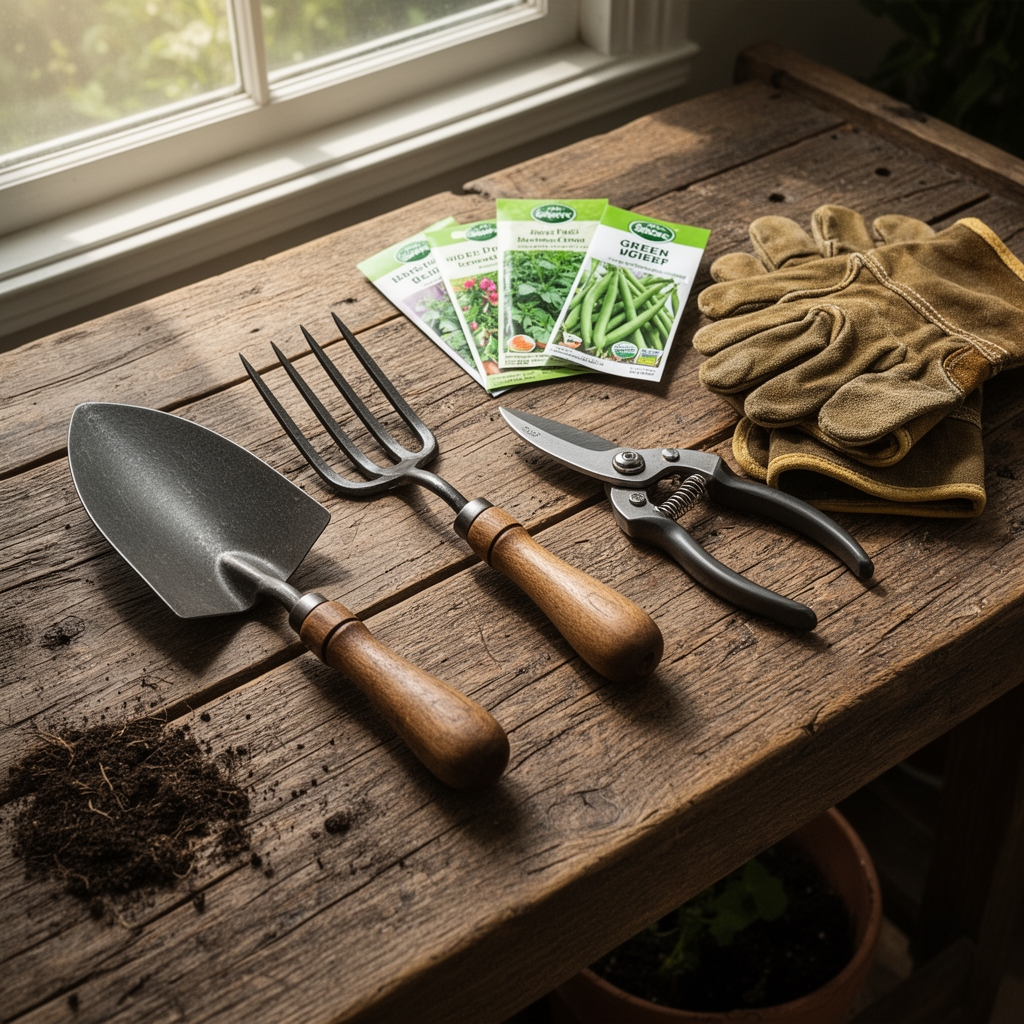
Materials
Green beans thrive in soil with a pH between 6.0 and 6.8, where phosphorus availability peaks and aluminum toxicity remains negligible. Amend beds with a balanced organic fertilizer formulated at 4-4-4 or 5-5-5 NPK ratio four weeks before sowing. Avoid high-nitrogen amendments such as blood meal (12-0-0) or feather meal (13-0-0), which promote excessive foliage at the expense of pod set. Incorporate 2 inches of aged compost to improve cation exchange capacity and buffer pH fluctuations. For pole beans, install trellises or teepees at least 6 feet tall using untreated lumber or galvanized wire. Mulch pathways with 3 inches of straw to suppress weeds and maintain even soil moisture.
Timing
Green beans are frost-sensitive annuals best planted after the last spring frost date when soil temperatures reach 60 degrees Fahrenheit at 2-inch depth. In USDA Hardiness Zones 3 through 5, sow seeds from mid-May through early June. Zones 6 and 7 permit sowings from late April through mid-July for succession harvests. Zones 8 through 10 allow spring plantings in March and fall plantings in late August. Bean seeds germinate poorly in cold, wet soil and succumb to Pythium root rot below 55 degrees Fahrenheit. Use a soil thermometer to confirm conditions before planting. For fall crops, count back 10 weeks from the first expected frost date to determine the latest safe sowing window.
Phases
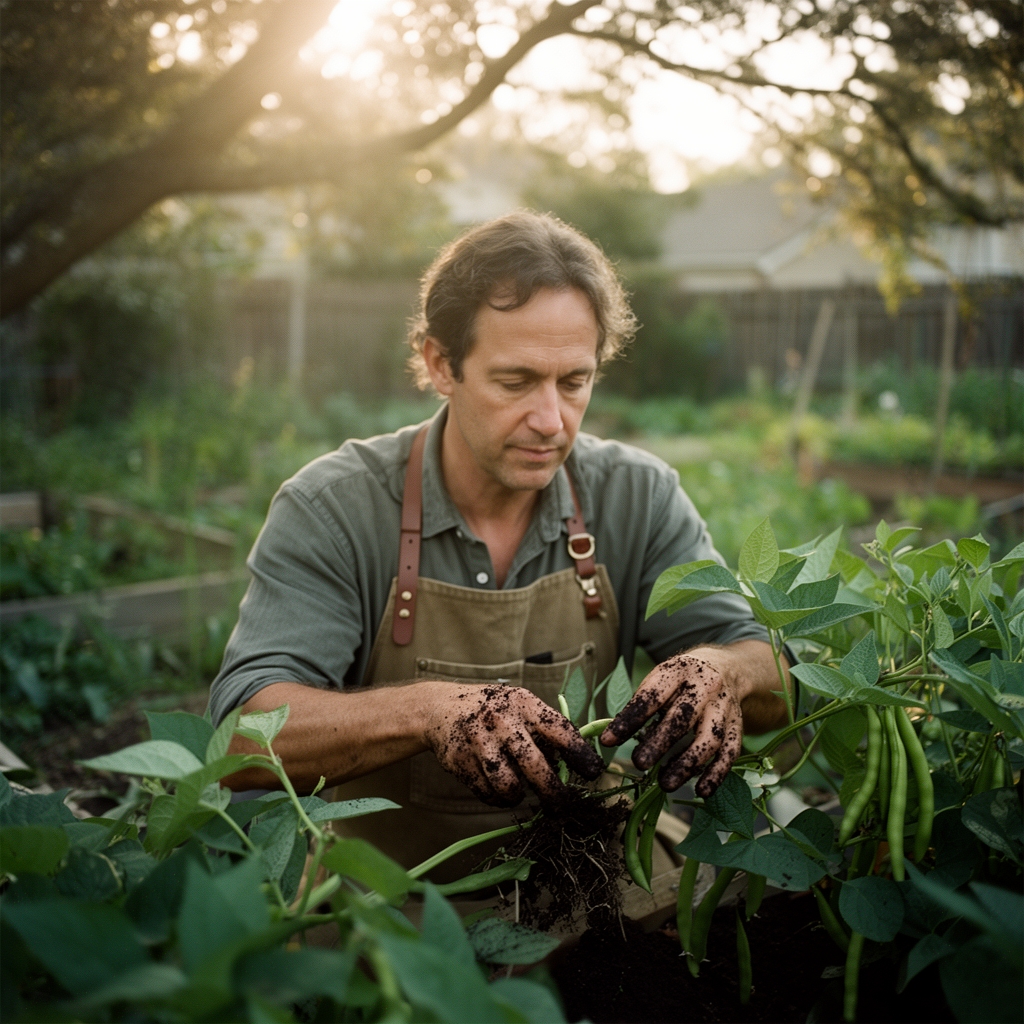
Sowing: Plant seeds 1 inch deep and 3 inches apart in rows spaced 18 to 24 inches apart. Bush beans require no support. Pole beans need vertical structures installed before sowing. Inoculate seeds with Rhizobium leguminosarum at a rate of 1 teaspoon per 50 feet of row to enhance nitrogen fixation. Water immediately after planting to settle soil around seeds. Germination occurs in 7 to 10 days.
Pro-Tip: Coat seeds with a granular biological fungicide containing Trichoderma harzianum at 0.5 grams per seed to reduce damping-off caused by Rhizoctonia solani.
Establishing: Thin seedlings to 6 inches apart for bush beans and 8 inches apart for pole beans once the first true leaves emerge. Thin by cutting stems at soil level rather than pulling to avoid root disturbance. Apply 1 inch of water per week if rainfall is insufficient. Sidedress with compost tea diluted 1:4 when plants reach 6 inches in height to supply trace minerals without overwhelming the root zone.
Pro-Tip: Pinch the terminal bud of pole beans once they reach the top of the trellis to redirect auxin distribution toward lateral branches and increase pod density.
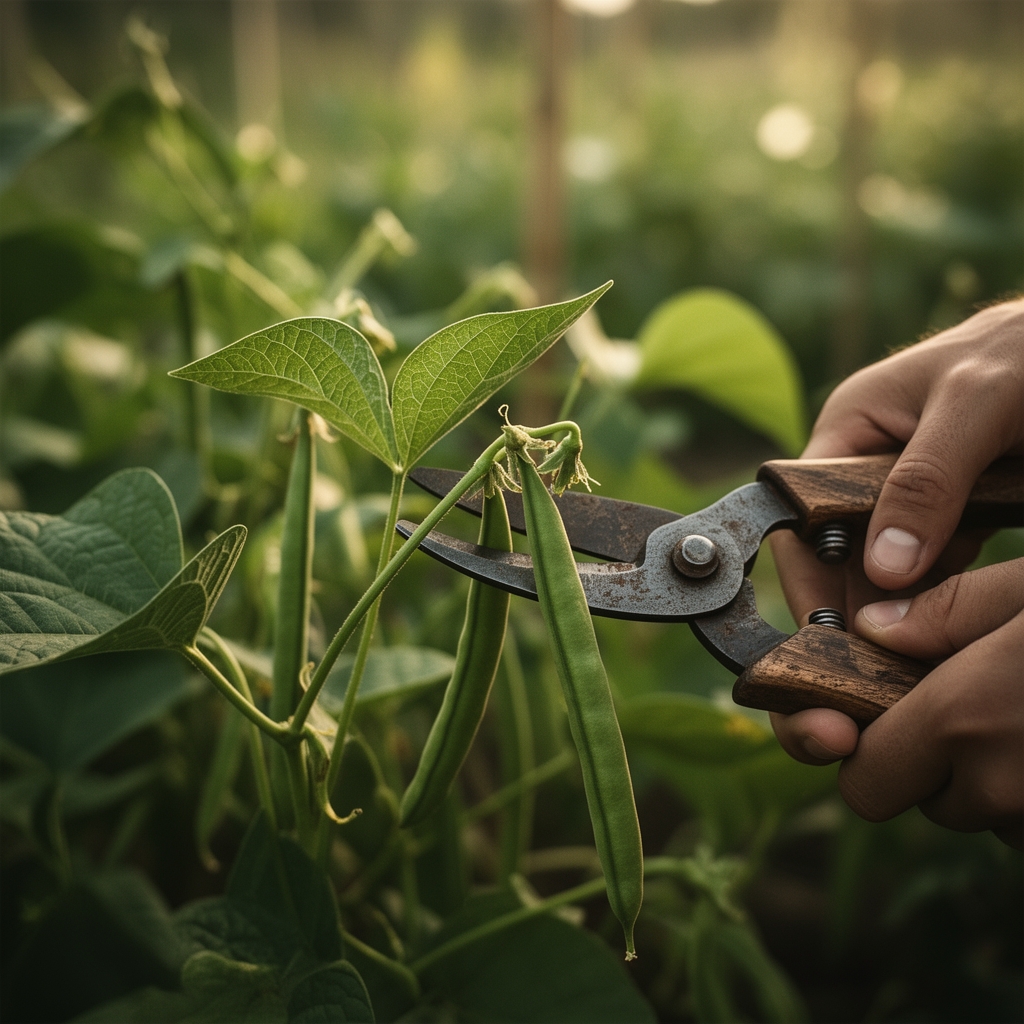
Harvesting: Begin checking plants 50 days after sowing. Pods are ready when they reach 4 to 6 inches in length, snap cleanly when bent, and show immature seeds that are no larger than 1/8 inch in diameter. Hold the stem with one hand and pull the pod downward with a slight twist to detach without tearing the plant. Harvest every 2 to 3 days to prevent beans from maturing on the vine, which signals the plant to cease production. Morning harvest, after dew has dried but before afternoon heat, yields the crispest pods.
Pro-Tip: Use two hands for every pick. Stabilize the main stem to prevent uprooting shallow-rooted bush varieties.
Troubleshooting
Symptom: Yellow leaves with green veins on upper foliage.
Solution: Iron chlorosis caused by high pH. Apply chelated iron at 1 tablespoon per gallon of water as a foliar spray. Adjust soil pH with elemental sulfur at 1 pound per 100 square feet.
Symptom: Small, round holes in leaves; metallic green beetles present.
Solution: Mexican bean beetle infestation. Handpick adults and larvae. Spray Spinosad at 4 tablespoons per gallon, targeting leaf undersides where eggs cluster.
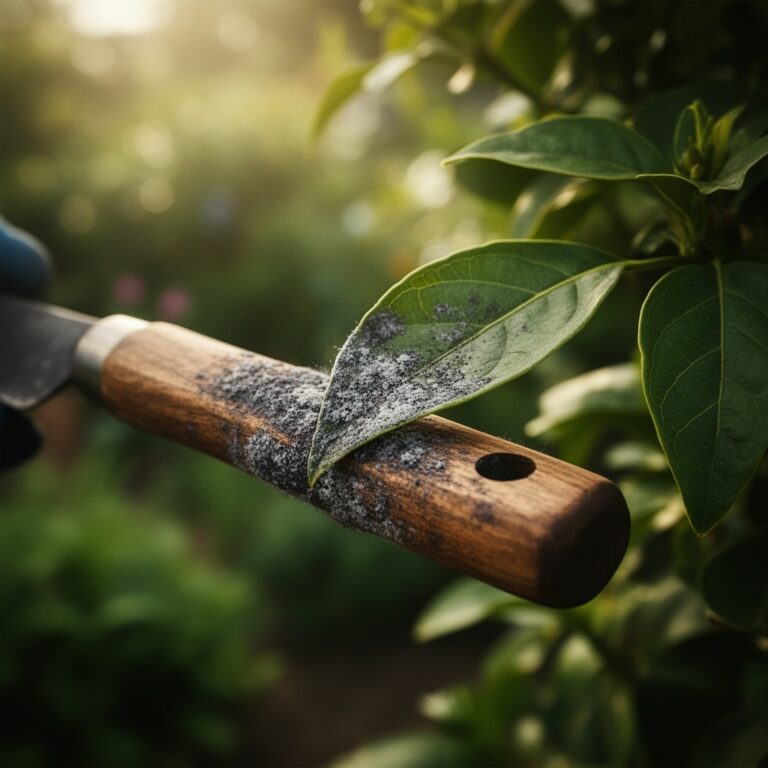
Symptom: White powdery coating on leaves and stems.
Solution: Powdery mildew (Erysiphe polygoni). Remove affected foliage. Apply potassium bicarbonate at 1 tablespoon per gallon weekly. Increase air circulation by thinning crowded plants.
Symptom: Pods are tough and stringy.
Solution: Overmature harvest. Pick smaller pods. Once beans develop strings, they are only suitable for shelling.
Maintenance
Provide 1 inch of water per week through drip irrigation or soaker hoses to prevent foliar diseases. Avoid overhead watering after flowering begins. Mulch with 2 inches of straw to regulate soil temperature and reduce evaporation. Scout for pests twice weekly, focusing on leaf undersides. Do not fertilize after flowering starts, as excess nitrogen reduces pod set. Remove spent plants immediately after final harvest to prevent overwintering of bean rust spores.
FAQ
How often should I pick green beans?
Harvest every 2 to 3 days once pods begin forming. Frequent picking extends the production window by preventing seed maturation.
Can I pick green beans when wet?
Avoid harvesting wet plants. Moisture spreads bacterial blight (Xanthomonas campestris) and fungal spores between plants.
What size are green beans ready to pick?
Pods should measure 4 to 6 inches long with seeds no larger than 1/8 inch in diameter. Pods should snap cleanly when bent.
Do green beans ripen after picking?
No. Beans do not continue to mature post-harvest. Pick only fully-sized pods to ensure quality.
How long do green bean plants produce?
Bush beans produce for 2 to 3 weeks. Pole beans produce for 6 to 8 weeks with consistent harvesting and adequate water.