7 Vital Steps to Tree Canker Treatment
Cankers are the jagged wounds that weep amber sap and split bark down the cambium layer, exposing trees to secondary infections and structural collapse. These lesions, caused by fungi or bacteria, spread fastest when pruning cuts go untreated or when moisture sits against wounded tissue. Effective steps to tree canker treatment require sterile tools, strategic timing, and an understanding of how vascular tissue compartmentalizes decay. Without intervention, cankers girdle branches and kill entire limbs within two growing seasons.
Materials
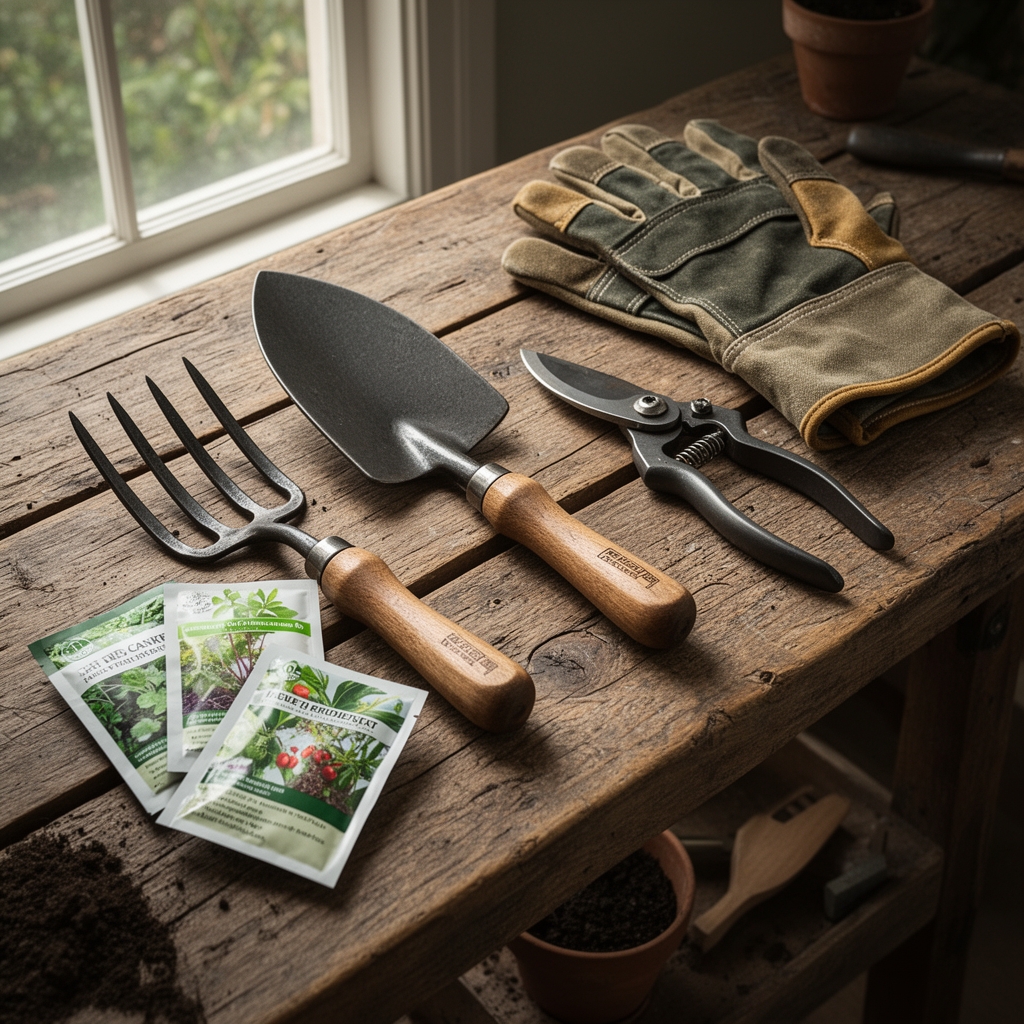
Gather isopropyl alcohol at 70% concentration for sterilizing pruning shears and saws between each cut. Sharp bypass pruners create clean wounds that heal faster than ragged tears from dull blades.
Select a copper-based fungicide labeled for canker pathogens such as Nectria galligena or Botryosphaeria dothidea. Apply formulations containing copper hydroxide at 0.5 pounds per gallon of water.
Pruning paint remains optional for most species, but research-grade wound dressings containing 2% chitosan accelerate callus formation in stone fruits. Avoid petroleum-based sealants that trap moisture.
Organic compost with a balanced 4-4-4 NPK ratio supports recovery without forcing excess vegetative growth. Test soil pH before application. Most temperate canopy trees thrive between 6.0 and 6.8, where cation exchange capacity optimizes nutrient uptake.
Mycorrhizal inoculant powders colonize root zones and improve drought tolerance during recovery. Select species-specific blends: ectomycorrhizae for oaks and pines, arbuscular mycorrhizae for maples and fruit trees.
Timing
Execute steps to tree canker treatment during late dormancy, four to six weeks before bud break. In Zones 5 through 7, target late February through early March when daytime temperatures hover between 40 and 50°F. Fungal spores remain dormant below 45°F, reducing reinfection risk.
Avoid pruning in autumn. Fresh cuts before winter invite pathogens into sapwood when trees cannot synthesize defensive compounds. Auxin distribution shifts downward in fall, slowing wound closure.
In Zones 8 and 9, prune cankers in mid-January when deciduous species enter full dormancy. Evergreen canopy trees tolerate intervention year-round but heal fastest during spring when cambial activity peaks.
Monitor frost dates. Cutting within ten days of a hard freeze below 28°F can crack exposed cambium and expand the wound site.
Phases
Inspection and Excision
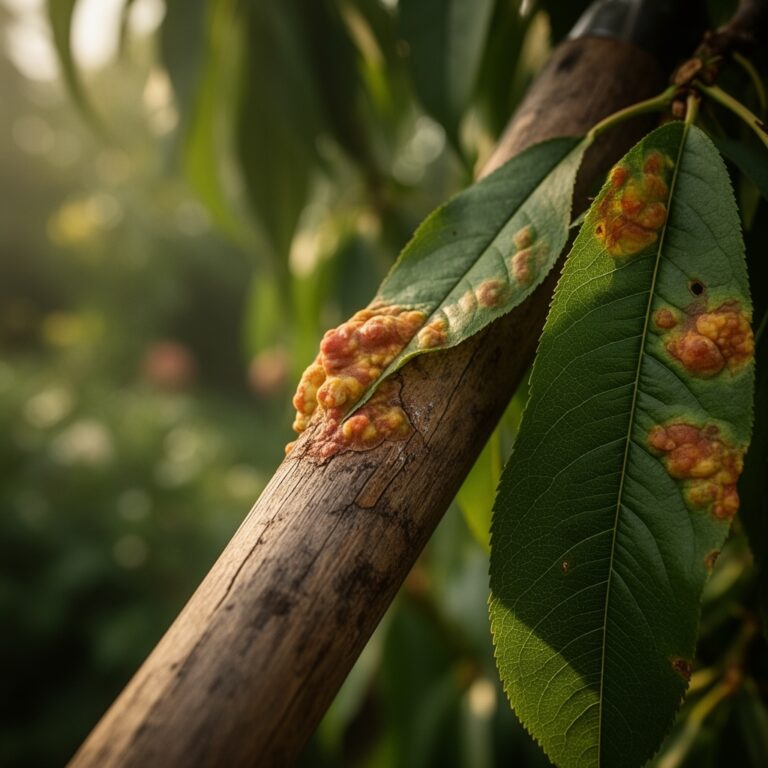
Locate cankers by examining bark for sunken lesions, cracks oozing dark fluid, or discolored wood beneath peeling bark. Use a sterilized knife to scrape away outer bark and reveal the extent of necrotic tissue. Healthy sapwood appears white to pale green; infected wood shows brown streaking.
Cut 6 inches beyond the visible canker margin into clean tissue. Angle cuts at 45 degrees to shed water away from the wound. Remove the entire branch at the collar if infection reaches more than one-third of the circumference.
Pro-Tip: Dip pruning blades in isopropyl alcohol for 30 seconds between cuts to prevent pathogen transfer. Air-dry tools before the next incision.
Disinfection and Application
Spray exposed wood with copper fungicide immediately after cutting. Saturate the wound surface and 2 inches of surrounding bark. Copper ions disrupt fungal enzyme systems and prevent spore germination for 14 to 21 days.
For bacterial cankers caused by Pseudomonas syringae, apply streptomycin sulfate at 100 ppm within one hour of pruning. Bacterial populations double every 20 minutes in temperatures above 50°F.
Pro-Tip: Apply fungicide during overcast conditions or late afternoon. Direct sunlight degrades copper compounds and reduces efficacy by 40% within three hours.
Root Zone Rehabilitation
Spread 2 inches of 4-4-4 compost in a ring extending from the drip line to 12 inches from the trunk. Water deeply to settle organic matter and deliver nutrients to feeder roots at 8 to 12 inches depth.
Mix mycorrhizal inoculant at 1 tablespoon per square foot of root zone. Fungi colonize root hairs within 30 days and extend phosphorus uptake radius by 10 to 15 inches.
Pro-Tip: Avoid nitrogen-heavy fertilizers (ratios above 10-5-5) for six months post-treatment. Excess nitrogen stimulates succulent growth that pathogens colonize rapidly.
Troubleshooting
Symptom: Canker edges continue expanding after treatment, with wet, dark tissue advancing into pruned wood.
Solution: Re-cut 4 inches deeper into healthy sapwood. Test soil drainage; standing water within 18 inches of roots creates anaerobic conditions favoring Phytophthora species.
Symptom: Gumming or resin flow persists for more than three weeks.
Solution: Reduce irrigation frequency by 30%. Excess moisture disrupts resin duct pressure and prolongs exudation.
Symptom: New shoots emerge within 6 inches of wound but wilt within two weeks.
Solution: Prune water sprouts to redirect auxin flow toward structural branches. Water sprouts drain 25% of carbohydrate reserves without contributing to canopy architecture.
Symptom: Bark around treated area turns papery and peels in sheets.
Solution: Confirm species-appropriate fungicide. Copper formulations above 1% concentration cause phytotoxicity in thin-barked species like birch and beech.
Symptom: No callus formation after 90 days.
Solution: Apply 2% chitosan wound dressing monthly. Low boron levels (below 0.5 ppm in soil) inhibit cell wall synthesis required for callus tissue.
Maintenance
Water established trees with 1 inch per week during the first growing season post-treatment. Deliver moisture slowly over four hours using drip irrigation or soaker hoses to penetrate 18 inches deep.
Inspect treated sites monthly during the growing season. Run fingernails along wound edges to check for firm callus ridges, indicating successful compartmentalization.
Reapply copper fungicide every 21 days for three months if weather remains wet. Rainfall above 0.5 inches per week washes protective residues from bark.
Mulch with 3 inches of shredded hardwood bark in a 4-foot radius, keeping material 6 inches from the trunk to prevent collar rot.
FAQ
How long does canker treatment take to show results?
Callus tissue begins forming within 30 to 45 days in active growth. Complete wound closure requires two to five years depending on canker size and tree species.
Can I treat cankers on fruit trees during flowering?
No. Prune only during dormancy. Flowering diverts carbohydrates away from wound healing, and open blossoms attract pollinators sensitive to fungicide drift.
Do all cankers require fungicide application?
Mechanical cankers from mower strikes or storm damage need only clean cuts if no discoloration appears in sapwood. Apply fungicide when brown streaking or fruiting bodies indicate pathogen presence.
What tree species resist canker infections naturally?
Bur oak, ginkgo, and Kentucky coffeetree synthesize high levels of phenolic compounds that inhibit fungal colonization. Susceptible species include apple, cherry, and European beech.
Should I fertilize immediately after canker removal?
Wait 60 days. Premature nitrogen application stimulates soft growth before root systems recover capacity to support new tissue. Apply balanced organic amendments after first flush hardens off.