8 Simple Steps to Remove Mushrooms Garden
Mushrooms appear overnight in lawns and gardens, their caps pushing through mulch and turf with persistent force. These fruiting bodies signal active decomposition below the surface, where fungal networks feed on buried wood, old roots, or nitrogen-rich organic matter. Learning the steps to remove mushrooms garden maintenance requires understanding that the visible mushroom represents only a fraction of the organism. The mycelium beneath extends through soil pores, sometimes spanning several cubic feet. Removing mushrooms becomes straightforward when you address both the fruiting bodies and their environmental triggers.
Materials
Successful mushroom removal demands minimal equipment but precise selection. For physical removal, use a flat-blade garden spade, vinyl gloves, and a collection bucket. Chemical intervention rarely proves necessary, but if desired, select a product with a 0-0-1 potassium chloride base rather than nitrogen-heavy formulations. High nitrogen feeds fungal growth rather than suppressing it.
Soil amendments alter the conditions that favor mushroom development. Agricultural lime adjusts pH upward; most problem fungi prefer soil between 5.5 and 6.5 pH. Raising the reading to 7.0 discourages many saprophytic species without harming turf grasses. Gypsum (calcium sulfate) improves drainage in clay soils where moisture accumulates, providing ideal fungal habitat.
Organic matter management tools include a bow rake for spreading mulch thinly and a garden fork for aerating compacted zones. For persistent infestations, a soil test kit measuring cation exchange capacity identifies whether your soil retains excessive moisture due to clay content or poor drainage. Results guide amendment choices.
Timing
Mushroom removal works best during the active growing season when turf or ornamental plants can quickly fill gaps left by disturbance. In USDA Hardiness Zones 3-6, begin removal in late April through early May, two weeks after the final frost date. Zones 7-9 allow intervention from March onward, while Zone 10 permits year-round removal with attention to monsoon patterns.
Fungi fruit most aggressively during periods of high humidity and moderate temperatures between 60-75°F. Morning removal prevents spore dispersal that occurs as caps mature through midday heat. After summer rains, inspect gardens within 48 hours. Mycelium accelerates fruiting body production when moisture saturates the top 4 inches of soil.
Fall removal becomes critical in October before leaf drop. Decaying leaves feed fungal networks through winter, leading to early spring flushes. Address mushroom clusters before the first hard freeze in cold zones, as frozen tissue fragments disperse spores during thaw cycles.
Phases
Physical Removal Phase
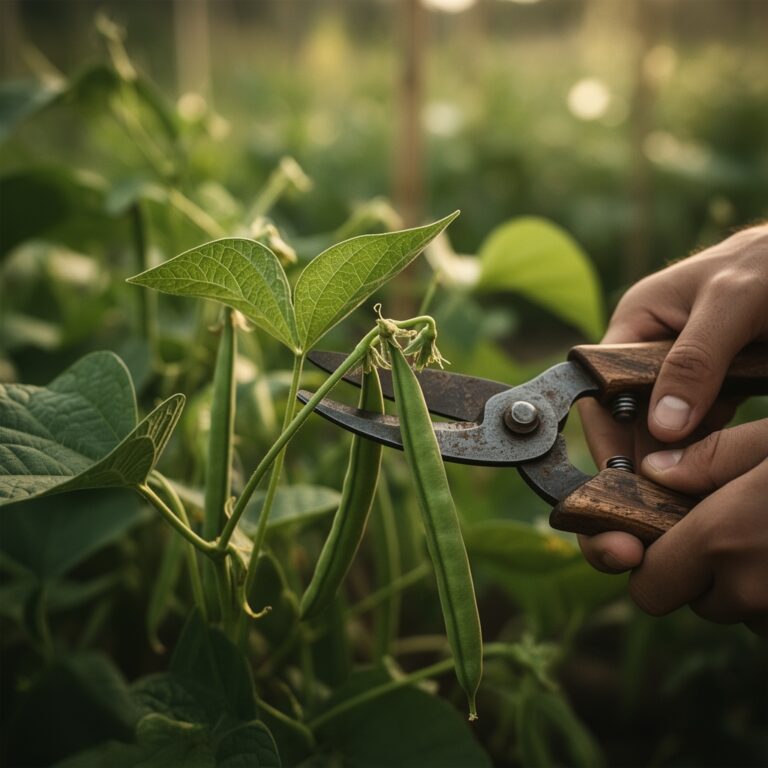
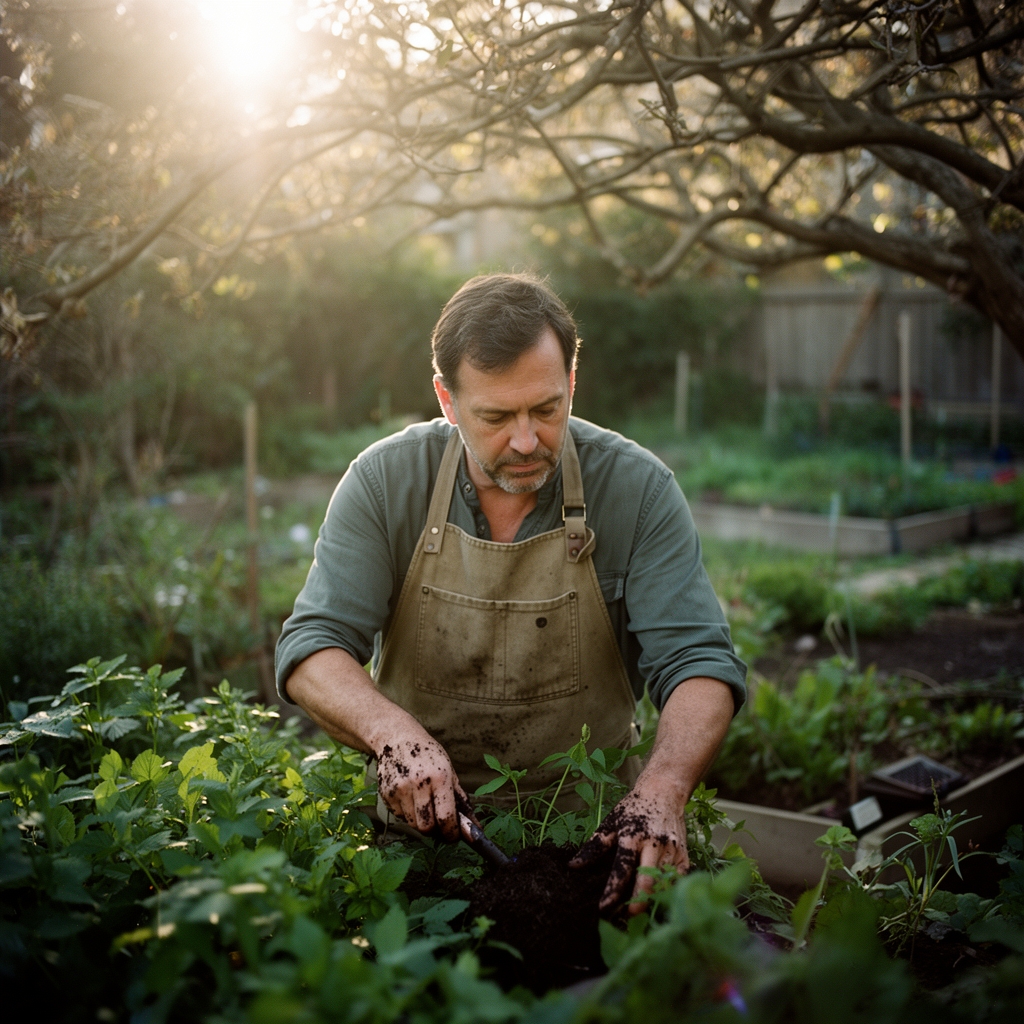
Hand-pull or cut mushrooms at soil level using the flat blade. Avoid disturbing roots of nearby plants. Severing at the surface prevents spore release while removing the visible problem. Bag all fruiting bodies in sealed plastic before disposal. Composting mushrooms risks spreading spores unless your pile maintains 140°F for 14 consecutive days.
Pro-Tip: Spray pruning shears with 70% isopropyl alcohol between cuts when removing multiple clusters. This prevents transferring spores to unaffected areas.
Substrate Modification Phase
Identify and remove the food source. Excavate buried wood debris, old root masses, or decomposing mulch down to 8 inches. Fungal networks colonize these carbon-rich materials, creating persistent fruiting sites. Replace excavated material with coarse sand or fine gravel to disrupt mycelial growth patterns.
Reduce mulch depth to 2 inches maximum. Thick mulch layers (4-6 inches) retain moisture and create anaerobic pockets where saprophytic fungi thrive. Spread existing mulch with a bow rake to increase air circulation.
Pro-Tip: Mix 30% coarse perlite into the top 3 inches of soil in chronic problem areas. Enhanced drainage reduces the 48-hour moisture window fungi require for fruiting.
Prevention Phase
Core aerate lawns twice annually in spring and fall. Aeration introduces oxygen into the root zone, favoring aerobic bacteria that outcompete fungal decomposers. Extract cores 3 inches deep on 4-inch centers.
Apply beneficial mycorrhizal fungi inoculum to establish competitive relationships. Endomycorrhizae colonize grass roots, consuming resources that would otherwise support saprophytic mushroom species. Use products containing Rhizophagus irregularis at 0.5 pounds per 1,000 square feet.
Pro-Tip: Adjust irrigation to deliver 1 inch of water weekly in a single deep session rather than frequent shallow watering. This promotes deep root growth and allows surface soil to dry between waterings, interrupting fungal life cycles.
Troubleshooting
Symptom: Mushrooms return within 7-10 days of removal.
Solution: Excavate 12 inches deep at the fruiting site. Buried construction lumber or tree stumps likely remain. Remove all wood material and backfill with native soil amended with 20% coarse sand.
Symptom: Fairy rings with dead grass circles expanding outward.
Solution: The causal fungus (Marasmius oreades) produces hydrophobic compounds. Core aerate the ring perimeter and apply a wetting agent (saponin-based) at 3 ounces per gallon. Water deeply to rehydrate soil and restore nutrient flow.
Symptom: White mycelial mats visible under mulch.
Solution: Rake back mulch and expose mycelium to direct sunlight. UV radiation kills surface growth within 72 hours. Reduce mulch depth to 1.5 inches and switch to pine bark nuggets, which decompose slower than shredded hardwood.
Symptom: Yellow or tan mushrooms appearing in potted plants.
Solution: Leucocoprinus birnbaumii colonizes peat-based potting mixes. Repot in a coir and perlite blend (60/40 ratio). Sterilize the container with 10% bleach solution before replanting.
Symptom: Slime molds coating mulch surfaces.
Solution: Though not true fungi, slime molds (Physarum species) alarm gardeners. Rake affected mulch to break up plasmodium. These organisms consume bacteria and pose no plant threat.
Maintenance
Water established gardens early morning, finishing by 8 AM. This timing allows foliage to dry before evening, when humidity rises and spore germination accelerates. Deliver 1 inch weekly during active growth, measured with rain gauges placed at canopy drip line.
Mow lawns to maintain 3-inch height. Taller grass shades soil, reducing surface temperatures that trigger fruiting. Collect clippings if mushrooms have recently appeared, as fragments caught in mower decks spread spores across entire lawns.
Test soil pH annually each March. Apply lime at 50 pounds per 1,000 square feet if readings drop below 6.5. Increased calcium availability encourages bacterial decomposition rather than fungal dominance. Retest 60 days post-application to confirm adjustment.
Prune tree canopies to reduce shade in chronic mushroom zones. Aim for 40% light penetration to the ground. Improved air movement and solar exposure create conditions unfavorable for fruiting.
Rotate mulch types every three years. Alternate between pine bark, cedar chips, and composted leaves. Different lignin structures decompose at varying rates, preventing establishment of specialized fungal populations.
FAQ
Do mushrooms harm garden plants?
Most lawn mushrooms are saprophytic, feeding only on dead organic matter. They do not parasitize living roots. However, fairy ring fungi release compounds that create water-repellent soil, indirectly stressing turf.
Should I use fungicides to kill mushrooms?
Fungicides targeting mycelium prove largely ineffective because fungal networks extend too deep for contact sprays. Products may suppress fruiting temporarily but do not eliminate established colonies. Physical removal and habitat modification yield better results.
Are garden mushrooms safe to touch?
Handling mushrooms poses minimal risk. Spores require ingestion or inhalation in large quantities to cause health issues. Always wear gloves and wash hands after removal to avoid accidental transfer to mouth or eyes.
Why do mushrooms appear after rain?
Fungal fruiting bodies require 95% humidity and saturated soil to expand cells through water pressure. Rain provides the necessary moisture trigger. Mycelium exists year-round but only produces visible mushrooms when conditions align.
Can I compost removed mushrooms?
Yes, if your compost reaches thermophilic temperatures (140-160°F) for two weeks. Hot composting kills spores. Cold compost piles below 100°F allow spores to survive and potentially spread when finished compost is applied to gardens.