8 Simple Ways How to Damping Off Prevention
The first symptom arrives without warning. Yesterday's healthy seedling stands firm on a green stem; this morning it collapses at soil level, pinched by an invisible rot. Damping off has claimed another victim. Growers lose entire seed trays to Pythium, Rhizoctonia, and Fusarium within 48 hours of infection. Implementing steps to damping off prevention before sowing protects your investment and ensures uniform stand establishment across all transplant schedules.
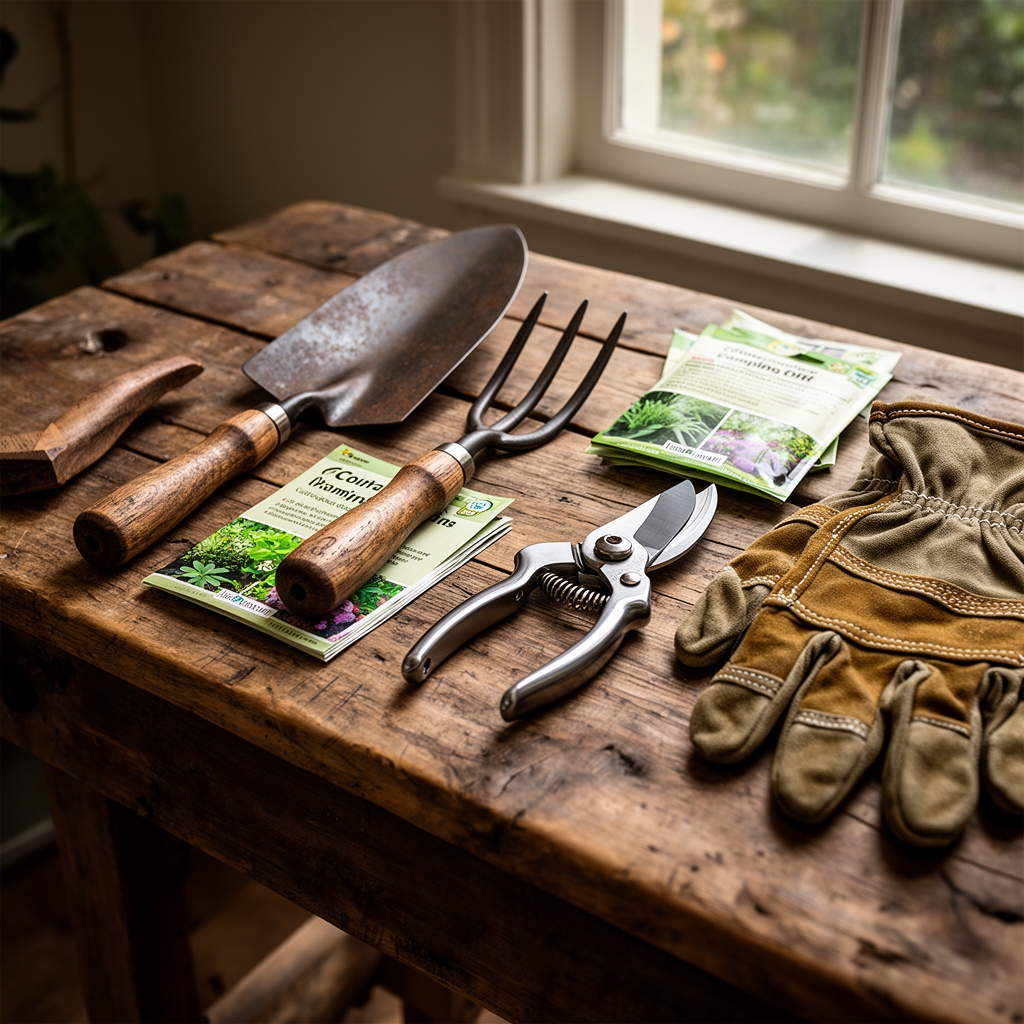
Materials
Successful prevention begins with substrate selection and amendment chemistry. Use sterile seed-starting mix with a pH between 5.5 and 6.5. Peat-based blends with perlite or vermiculite drain excess moisture while maintaining adequate cation exchange capacity. Avoid garden soil or compost in germination trays; both harbor pathogen propagules.
Apply a balanced slow-release fertilizer at 4-4-4 NPK once seedlings develop true leaves. Organic options include feather meal (nitrogen), bone meal (phosphorus), and kelp meal (potassium). High nitrogen before root establishment encourages succulent tissue that pathogens colonize rapidly.
Incorporate milled sphagnum moss at 10 percent by volume into the top half-inch of your mix. Research from Cornell University confirms sphagnum's antifungal properties suppress Pythium spore germination. Hydrate trays with water adjusted to 6.2 pH using dilute sulfuric acid or citric acid if your municipal supply exceeds 7.0.
Stock hydrogen peroxide at 3 percent concentration for emergency drench treatments. Keep captan or thiram fungicide on hand for high-value crops, applying as a seed coat at 1 gram per pound of seed.
Timing
Damping off risk peaks during cool, wet conditions when soil temperatures remain below 65°F. Growers in USDA Hardiness Zones 3 through 6 should delay indoor sowing until supplemental heat maintains substrate at 70 to 75°F. Bottom heat cables or propagation mats reduce germination time and create an environment hostile to cold-tolerant pathogens.
Start seeds six to eight weeks before your last expected frost date. Consult regional Extension offices for precise frost windows. In Zone 7, begin tomatoes and peppers on March 1. Zone 5 growers wait until March 20 to avoid prolonged juvenile stress in variable indoor humidity.
Monitor photoperiod alongside temperature. Seedlings receiving fewer than 14 hours of light develop weak auxin distribution and elongated hypocotyls. Thin stems collapse more readily under pathogen pressure. Install T5 fluorescent or full-spectrum LED fixtures 2 inches above emerging cotyledons.
Phases
Sowing
Surface sterilize all containers with 10 percent bleach solution for 10 minutes. Rinse thoroughly. Fill trays to within one-quarter inch of the rim, firming substrate gently to eliminate air pockets without compaction.
Sow seeds at twice their diameter in depth. Press larger seeds like squash firmly into contact with moist mix. Dust fine seed such as petunia across the surface and mist with a spray bottle. Cover trays with humidity domes only until radicle emergence, typically 3 to 5 days.
Pro-Tip: Pre-germinate seeds on damp paper towels inside sealed plastic bags at 75°F. Transfer to substrate immediately upon radicle appearance. This method reduces exposure to pathogen inoculum during the vulnerable swelling stage.

Transplanting
Remove humidity domes at first cotyledon expansion. Increase air circulation with an oscillating fan set to low speed, positioned 6 feet away. Target 200 to 400 cubic feet per minute for a standard 4-foot growing bench.
Water only when the substrate surface appears dry to the touch. Apply water at the base of seedlings using a syringe or turkey baster. Avoid overhead misting after germination. Each watering cycle should saturate the root zone completely, then allow 24 hours for surface drying.
Inoculate roots with Trichoderma harzianum at transplant. Mix 1 teaspoon of granular inoculant per gallon of substrate. This beneficial fungus colonizes root surfaces and outcompetes damping off pathogens for nutrients and attachment sites.
Pro-Tip: Transplant at the "hook stage" for cucurbits. The hypocotyl remains bent with cotyledons still below soil. Stems harden rapidly after straightening, reducing infection windows.
Establishing
Harden off seedlings over 7 to 10 days before field or garden transplant. Gradually increase outdoor exposure from 1 hour in filtered shade to full-day sun. This process thickens cuticle wax layers and lignifies cell walls.
Space plants to manufacturer specifications. Crowding restricts airflow and maintains leaf wetness periods exceeding 6 hours, the threshold for Botrytis and bacterial rots.
Pro-Tip: Apply a kelp extract foliar spray at 1 tablespoon per gallon during week three. Seaweed hormones increase lignin deposition in vascular bundles by 18 percent, creating a physical barrier against xylem-invading pathogens.
Troubleshooting
Symptom: Seedlings collapse at soil line with brown, water-soaked stem constriction.
Solution: Discard affected plants immediately. Drench remaining seedlings with hydrogen peroxide at 1 part 3 percent peroxide to 4 parts water. Increase light intensity and reduce watering frequency.
Symptom: White, cottony fungal growth on substrate surface.
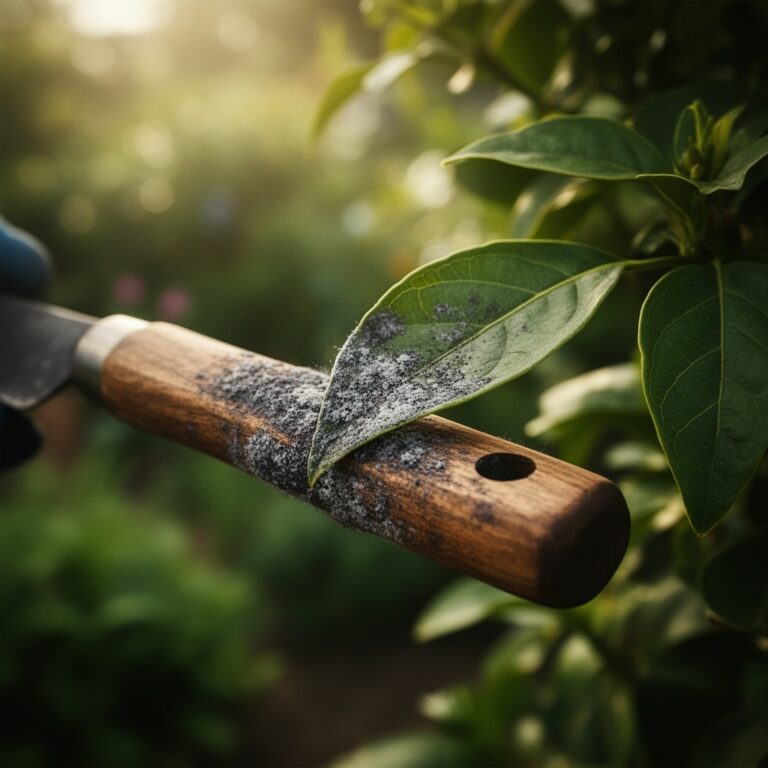
Solution: Pythium or Rhizoctonia mycelium indicates excessive moisture. Scrape away visible growth. Apply powdered cinnamon (contains cinnamaldehyde, a natural fungicide) to exposed substrate. Repot survivors in fresh, dry mix.
Symptom: Seeds germinate but radicles turn brown and cease growth.
Solution: Cold substrate injury combined with seed rot. Raise bottom heat to 75°F. Test seed viability with a rolled-towel germination test before additional sowing.
Symptom: Healthy seedlings suddenly wilt despite moist substrate.
Solution: Root rot from anaerobic conditions. Check drainage holes for blockage. Repot into coarser mix with 30 percent perlite. Reduce irrigation volume by 50 percent.
Symptom: Fuzzy gray mold on cotyledons.
Solution: Botrytis cinerea thrives in stagnant air above 80 percent humidity. Remove infected leaves. Lower ambient humidity with dehumidifier or increased ventilation. Space trays wider.
Maintenance
Water seedlings when the top quarter-inch of substrate feels dry, approximately every 48 to 72 hours depending on temperature and humidity. Deliver 1 inch of water per week once transplanted outdoors, adjusting for rainfall. Install a rain gauge for accurate tracking.
Fertilize every 14 days with half-strength liquid feed at 5-5-5 NPK after true leaves appear. Excess nitrogen promotes soft growth susceptible to pathogen invasion. Maintain electrical conductivity between 1.0 and 1.5 mS/cm in substrate solution.
Inspect seedlings daily. Remove any yellowing or spotted foliage within 12 hours of detection. Pathogens spread via water splash and contact; a single infected leaf can colonize an entire tray overnight.
Test substrate pH weekly using a soil probe or slurry method. Drift above 6.8 reduces manganese availability, weakening cell walls. Amend with elemental sulfur at 1 tablespoon per gallon of mix if pH rises.
FAQ
How quickly does damping off kill seedlings?
Collapse occurs 24 to 72 hours after infection. Mycelium digests pectin in the hypocotyl, severing water transport. Death follows within 6 hours of visible symptoms.
Can I reuse substrate from infected trays?
No. Pathogen oospores survive 7 years in dry conditions. Sterilize trays and discard all substrate. Composting at 140°F for 14 days neutralizes most propagules but risks reintroduction.
Do fungicides guarantee prevention?
Fungicides reduce risk but require integration with cultural practices. Pythium develops resistance to mefenoxam within three generations. Rotate captan, thiram, and biocontrol agents seasonally.
What air temperature prevents damping off?
Maintain 70 to 75°F. Pythium growth slows above 72°F while seedling metabolism accelerates, creating competitive advantage. Night temperatures below 60°F double infection rates.
Should I water from above or below?
Bottom watering through capillary action keeps foliage dry and reduces spore dispersal. Set trays in 1 inch of water for 15 minutes, then drain completely. Surface remains drier than overhead irrigation.