8 Vital Steps to Peach Leaf Curl
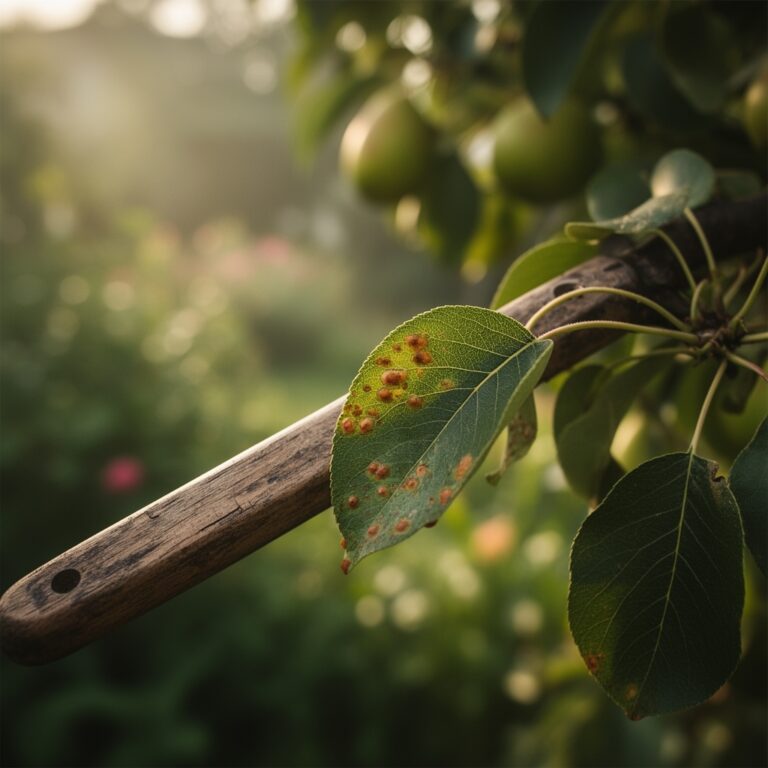
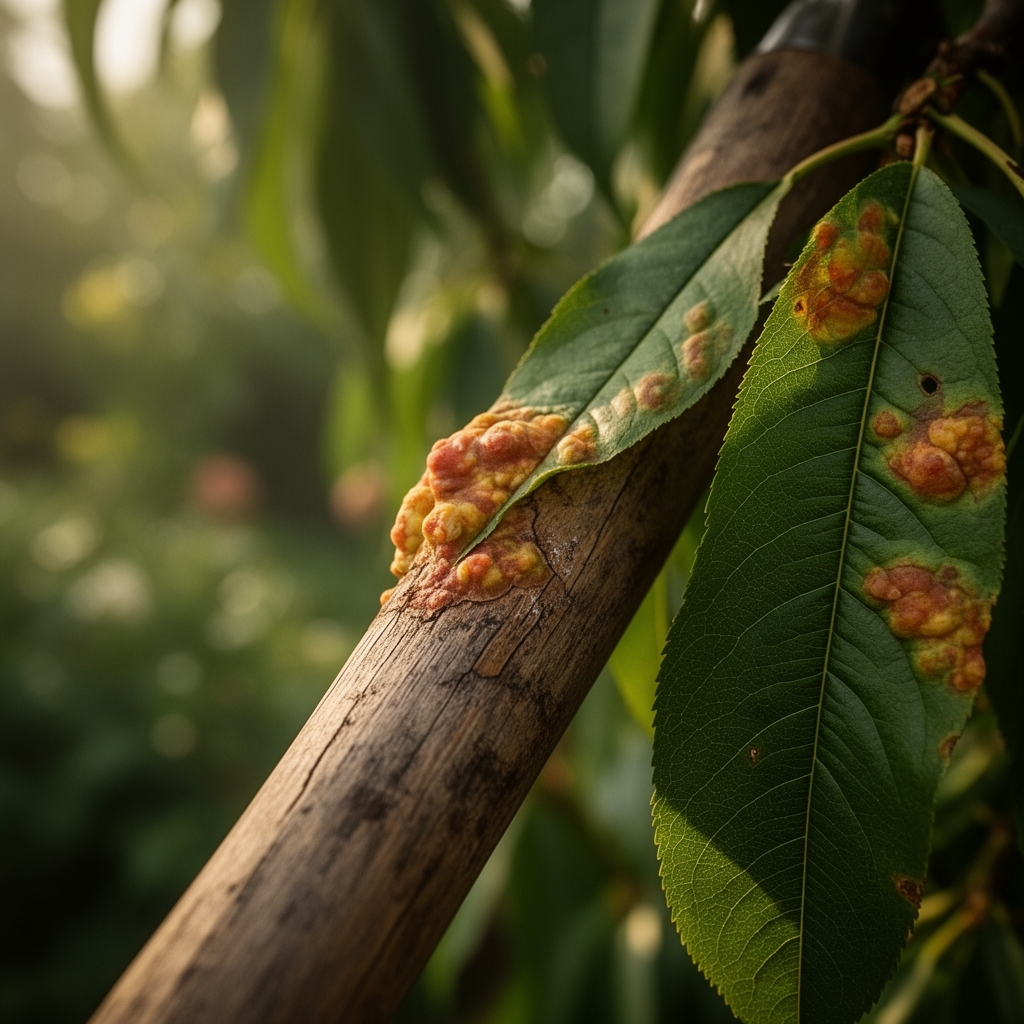
The crimson blisters spreading across peach leaves signal more than aesthetic damage. Taphrina deformans, the fungal pathogen behind peach leaf curl, infiltrates buds during dormancy and erupts in spring as thick, puckered foliage that photosynthesizes poorly and drops prematurely. Understanding the precise steps to peach leaf curl management prevents yield loss of 30-50% in untreated orchards and protects the tree's long-term vigor.
Materials
Effective control begins with proper materials aligned to your soil chemistry. Test pH before treatment. Peach trees thrive at 6.0-6.8, where nutrient availability peaks and fungal pressure decreases.
Fungicides:
- Fixed copper (copper sulfate): 50-90% metallic copper concentration. Apply as dormant spray.
- Bordeaux mixture: 8-8-100 formula (8 lbs copper sulfate, 8 lbs hydrated lime, 100 gallons water). Traditional European preparation.
- Chlorothalonil: Synthetic alternative at 500-750 ppm concentration for organic-restricted growers.
Soil Amendments:
- Balanced organic fertilizer: 5-5-5 or 4-4-4 NPK ratio. Avoid high-nitrogen formulas that stimulate excessive tender growth susceptible to infection.
- Agricultural sulfur: Lowers pH in alkaline soils. Apply 1-2 lbs per 100 square feet if pH exceeds 7.2.
- Mycorrhizal inoculant: Glomus intraradices species. Enhances phosphorus uptake and stress tolerance through symbiotic root colonization.
Equipment:
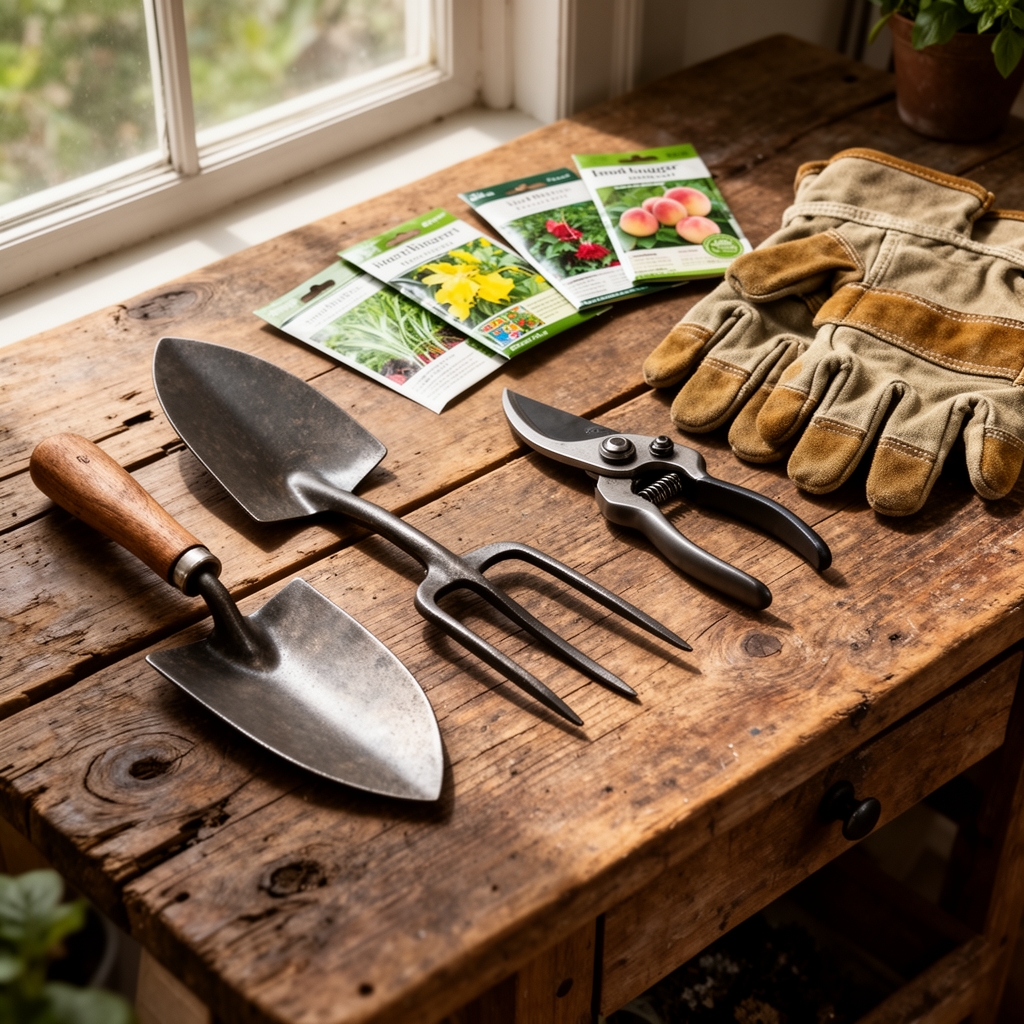
- Backpack sprayer: 2-4 gallon capacity with adjustable brass nozzle for dormant oil application.
- Pruning shears: Bypass style, sterilized with 10% bleach solution between cuts.
Timing
Fungicide application must occur during the narrow dormant window when buds remain closed but temperatures allow spray adhesion.
By Hardiness Zone:
- Zones 5-6: Late November through February. Apply before bud swell in late February.
- Zones 7-8: December through mid-March. Monitor for premature swelling during warm spells.
- Zones 9-10: January application critical. Insufficient chill hours compress dormancy period.
Critical Windows:
- First application: After 90% leaf drop in fall. Targets overwintering spores on bark and bud scales.
- Second application: Late winter, 2-4 weeks before bud break. This spray provides season-long protection as it coats emerging tissue.
Never spray when temperatures drop below 40°F within 24 hours. Copper efficacy declines and phytotoxicity risk increases. Avoid application within 48 hours of predicted rain, which dilutes coverage below the 200 ppm threshold needed for fungal cell wall disruption.
Phases
Phase 1: Dormant Spraying
Mix copper fungicide to manufacturer specifications. Spray entire canopy to runoff, ensuring complete bark coverage from scaffold limbs to terminal twigs. The pathogen overwinters in bark crevices and bud scale interfaces.
Pro-Tip: Add horticultural oil at 1-2% concentration to the copper mixture. Oil acts as a spreader-sticker, extending residual activity from 21 to 35 days and suffocating overwintering insect eggs simultaneously.
Phase 2: Sanitation
Remove and destroy all infected leaves during active infection periods. Taphrina deformans produces ascospores on distorted foliage that reinfect surrounding tissue through rain splash. Bag and dispose of symptomatic material. Do not compost.
Prune out severely damaged shoots at 45-degree angles 1/4 inch above outward-facing buds. This promotes auxin distribution to lateral buds and improves air circulation, reducing humidity that favors fungal germination.
Pro-Tip: Apply pruning sealant containing copper nanoparticles to cuts larger than 1 inch diameter. This prevents Cytospora canker from colonizing wounded tissue during the spring vulnerability window.
Phase 3: Cultural Establishment
Position new peach plantings with 15-20 feet spacing. Dense canopies trap moisture and create microclimates favorable to Taphrina. Orient rows north-south for maximum solar penetration and rapid leaf drying.
Mulch with 3-4 inches of aged wood chips in a 4-foot diameter around each tree, keeping material 6 inches from trunk. Mulch stabilizes soil temperature, supports beneficial fungi including Trichoderma species that compete with pathogens, and improves cation exchange capacity for nutrient retention.
Pro-Tip: Inoculate transplant holes with 2 tablespoons of mycorrhizal fungi concentrate mixed into backfill soil. Endomycorrhizal networks colonize roots within 8 weeks, improving drought tolerance and reducing transplant shock by 40%.
Troubleshooting
Symptom: Leaves exhibit red or purple blistering, thicken to 3-5x normal width, and develop white spore coating on underside.
Solution: Remove infected foliage immediately. Apply sulfur dust at 5-10 lbs per acre if infection appears before bloom. Increase copper concentration to 90% metallic for next dormant season.
Symptom: Fruit develops raised, corky lesions (scab) alongside leaf curl symptoms.
Solution: Cladosporium carpophilum coinfection. Switch to broad-spectrum fungicide combining copper with captan at 2 lbs per 100 gallons. Apply at petal fall and 10-day intervals through shuck split.
Symptom: New growth appears stunted despite infection control. Leaves yellow along veins.
Solution: Nitrogen deficiency from repeated copper applications. Copper binds soil nitrogen, reducing availability. Side-dress with 1/4 lb actual nitrogen per tree (2.5 lbs blood meal at 10-0-0 NPK) in early spring.
Symptom: Curled leaves present only on lower scaffold limbs.
Solution: Spray coverage failure. Adjust nozzle pressure to 60-80 psi for better canopy penetration. Use ladder for trees exceeding 8 feet to ensure undersurface contact.
Maintenance
Water established trees with 1 inch per week during fruit development, May through July. Use drip irrigation positioned 18 inches from trunk to minimize foliar wetness. Overhead sprinklers increase leaf curl incidence by 60% through extended wetness periods.
Fertilize in early March with 1 lb actual nitrogen per inch of trunk diameter measured at knee height. Split application: half as granular 10-10-10 scratched into soil surface, half as foliar urea spray at 0.5% concentration during pink bud stage.
Monitor leaf tissue nutrient levels biannually. Optimal ranges: nitrogen 2.8-3.5%, phosphorus 0.14-0.25%, potassium 1.8-2.5%. Deficiencies or excesses predispose trees to fungal infection through compromised cell wall integrity.
Prune annually in late summer after harvest. Remove 20-30% of canopy volume, targeting vertical shoots and inward-growing branches. Summer pruning reduces next season's infection sites while avoiding the spring wound pathogen vulnerability window.
FAQ
When should I spray for peach leaf curl?
Apply copper fungicide twice during dormancy: once after 90% leaf drop in fall and again 2-4 weeks before bud break in late winter. Timing varies by hardiness zone from November through March.
Can I treat peach leaf curl organically?
Yes. Fixed copper products and Bordeaux mixture qualify for organic certification. Combine with cultural practices including resistant cultivar selection, proper spacing, and sanitation of infected tissue.
Do resistant peach varieties exist?
Partial resistance appears in 'Frost', 'Avalon Pride', and 'Charlotte' cultivars, which show 40-60% less infection under moderate pressure. No variety demonstrates complete immunity. Fungicide applications remain necessary.
Why does leaf curl return after treatment?
Insufficient spray coverage, wrong application timing, or rain within 48 hours of treatment. Copper requires 6-12 hours to bind bark tissue. Reapply if precipitation occurs before this threshold. Ensure complete canopy saturation at 200+ ppm copper concentration.
Will infected trees die from peach leaf curl?
Rarely from curl alone, but repeated severe infections over 3-5 years cause chronic stress, reduced cold hardiness, and secondary pathogen vulnerability. Trees decline gradually through cumulative carbohydrate depletion and limb dieback.