
9 Easy Ways How to Fix Hollow Potatoes
Slicing into a homegrown potato and discovering a hollow cavity where dense, creamy flesh should be ruins the satisfaction of harvest. This void, known as hollow heart, results from rapid tuber expansion outpacing internal cell division. Learning how to fix hollow potatoes requires understanding soil dynamics, nutrient timing, and water regulation throughout the growing season. The disorder appears most frequently in large tubers of russet and white varieties when environmental conditions fluctuate during critical bulking phases. Prevention demands precision rather than reaction.
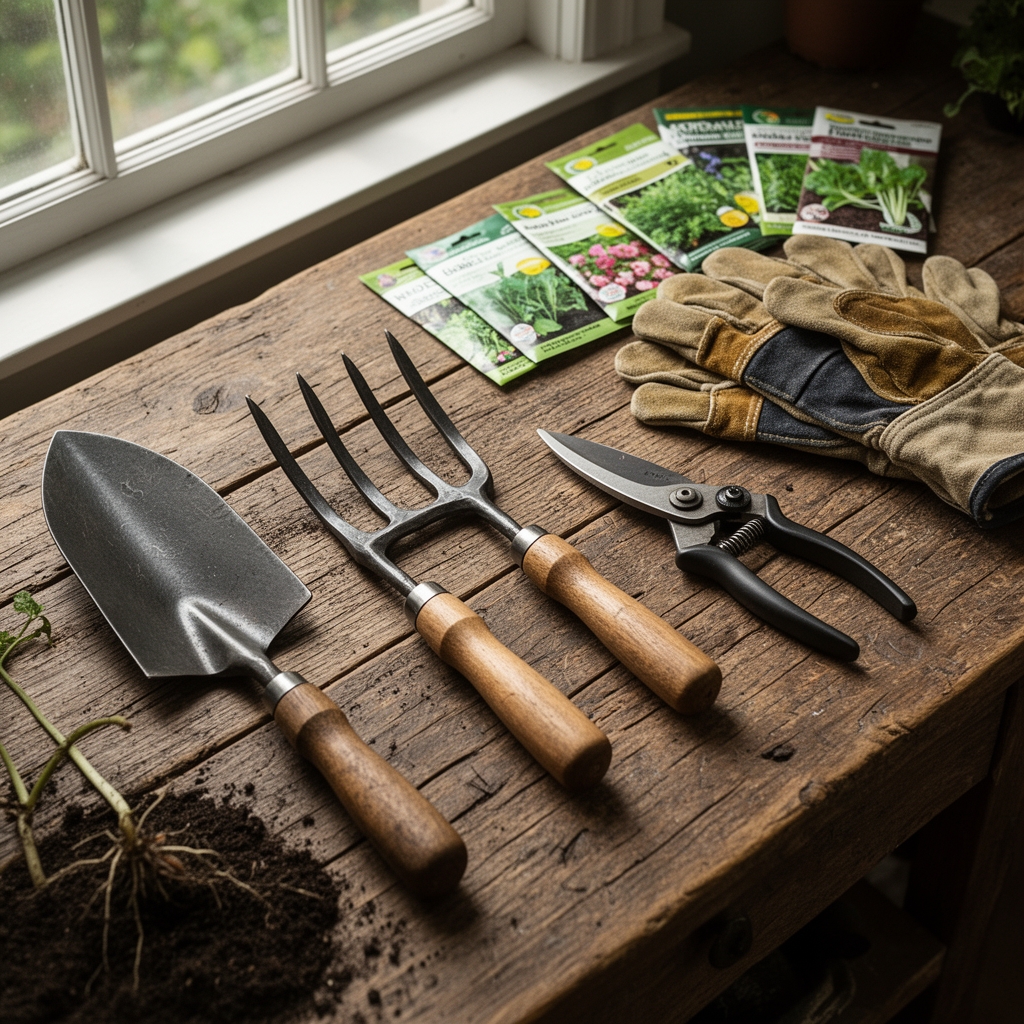
Materials
Soil Amendments (pH 5.8–6.5):
Incorporate 2 inches of aged compost (C:N ratio 25:1) six weeks before planting. Apply a balanced organic fertilizer at 5-5-5 NPK ratio during bed preparation, delivering 0.5 pounds of nitrogen per 100 square feet. Avoid high-nitrogen formulations (10-5-5 or greater) that accelerate foliar growth at the expense of stable tuber development. Add elemental sulfur at 1 pound per 100 square feet if soil pH exceeds 6.8, as alkaline conditions reduce calcium availability and weaken cell wall integrity.
Planting Stock:
Select certified seed potatoes 1.5 to 2 ounces in weight. Larger seed pieces correlate with rapid tuber expansion and increased hollow heart incidence. Cut seed pieces must cure for 48 hours at 50–60°F and 95% humidity to suberize cut surfaces.
Irrigation Infrastructure:
Install drip tape with emitters spaced 12 inches apart, delivering 0.5 gallons per hour. Tensiometers placed 6 inches deep allow monitoring soil moisture at the tuber zone, preventing the wet-dry cycling that triggers uneven expansion.
Timing
Plant seed potatoes two weeks before the last expected spring frost in Zones 3–5, targeting soil temperatures of 45–50°F. In Zones 6–8, plant in late winter (February–March) or late summer (August) for a fall crop. Tuber initiation begins when soil reaches 60°F and photoperiods shorten below 15 hours. The critical bulking window extends 6–8 weeks post-flowering. Hollow heart develops when nighttime temperatures exceed 70°F during this phase, accelerating respiration and creating internal oxygen deficits.
Phases
Sowing (Week 0–2):
Trench rows 4 inches deep, spacing seed pieces 10–12 inches apart in rows 30 inches apart. Closer spacing reduces individual tuber size, the primary hollow heart risk factor. Cover with 2 inches of soil. As shoots emerge, hill soil around stems in 2-inch increments until mounds reach 8 inches high. This practice expands the tuber-bearing zone and moderates soil temperature.
Pro-Tip: Dust seed pieces with mycorrhizal inoculant (Rhizophagus irregularis) at 1 gram per piece. The symbiotic relationship improves phosphorus uptake, stabilizing cell division rates and reducing expansion voids.

Establishing (Week 3–8):
Maintain soil moisture at 65–75% field capacity, verified by tensiometer readings of 10–20 centibars. Moisture fluctuations exceeding 15% between irrigations trigger auxin redistribution, prompting explosive cell enlargement without proportional division. Side-dress with calcium nitrate at 1 tablespoon per plant when tubers reach golf-ball size (Week 6). Calcium strengthens middle lamella between cells, reducing structural failure during expansion.
Pro-Tip: Apply folded row covers during heat waves when ambient temperatures exceed 85°F. Reducing canopy temperature by 5–7°F slows respiration rates and maintains coordinated cell development.
Bulking (Week 9–14):
Reduce nitrogen availability by ceasing fertilization after flowering. Excess nitrogen extends the growth period, increasing tuber size beyond structural integrity thresholds. Monitor soil temperature at 6-inch depth; mulch with 3 inches of straw if readings exceed 70°F. Cooler soil slows enzymatic activity and promotes uniform expansion.
Pro-Tip: Foliar spray with boron solution (1 teaspoon borax per gallon) at tuber initiation. Boron facilitates calcium transport into developing tubers, improving cell wall elasticity during rapid growth phases.
Troubleshooting
Symptom: Central cavity with starburst cracking, tissue browning along void edges.
Solution: Excessive soil nitrogen. Test soil; reduce N inputs by 50% next season. Switch to 3-6-6 NPK formulations emphasizing phosphorus for root energy transfer rather than vegetative growth.
Symptom: Multiple small voids near vascular ring.
Solution: Erratic irrigation. Install automated timers delivering 1 inch of water weekly in three equal applications. Consistent moisture prevents surge growth.
Symptom: Brown corky lesions with hollow centers.
Solution: Combined hollow heart and Verticillium wilt. Rotate planting sites on 4-year cycles. Avoid solanaceous crops (tomatoes, peppers) in rotation. Soil solarization at 140°F for 6 weeks reduces pathogen load.
Symptom: Enlarged lenticels with internal cavities near stolon attachment.
Solution: Waterlogged soil reducing oxygen. Improve drainage by incorporating perlite at 20% by volume or constructing raised beds 10 inches high.
Maintenance
Apply 1 inch of water per week via drip irrigation, split into three sessions. Overhead watering increases foliar disease pressure and creates uneven soil moisture. Cease irrigation when 50% of foliage yellows, typically 2 weeks before harvest. This curing period allows skin set and reduces storage rots.
Scout plants weekly for Colorado potato beetle, removing adults and crushing egg masses on leaf undersides. Apply Bacillus thuringiensis var. tenebrionis at 1 tablespoon per gallon if larval populations exceed 15 per plant.
FAQ
How does hollow heart differ from disease?
Hollow heart is a physiological disorder, not pathogenic. The cavity remains clean without rot or discoloration unless secondary organisms invade post-harvest.
Can I eat potatoes with hollow heart?
Yes. Cut away the cavity; remaining tissue is nutritionally identical and safe.
Which varieties resist hollow heart?
Fingerling types (Russian Banana, Rose Finn Apple) and small-tuber cultivars (Red Norland, Yukon Gold) show 60% lower incidence than large russets.
Does fertilizer timing prevent hollow heart?
Front-loading phosphorus (apply 80% at planting) and restricting nitrogen post-flowering reduces risk by 40% compared to continuous feeding.
Will smaller seed pieces prevent the problem?
Yes. Seed pieces under 2 ounces produce tubers 25% smaller on average, falling below the size threshold where hollow heart becomes prevalent.