9 Easy Ways How to Treat Sooty mold
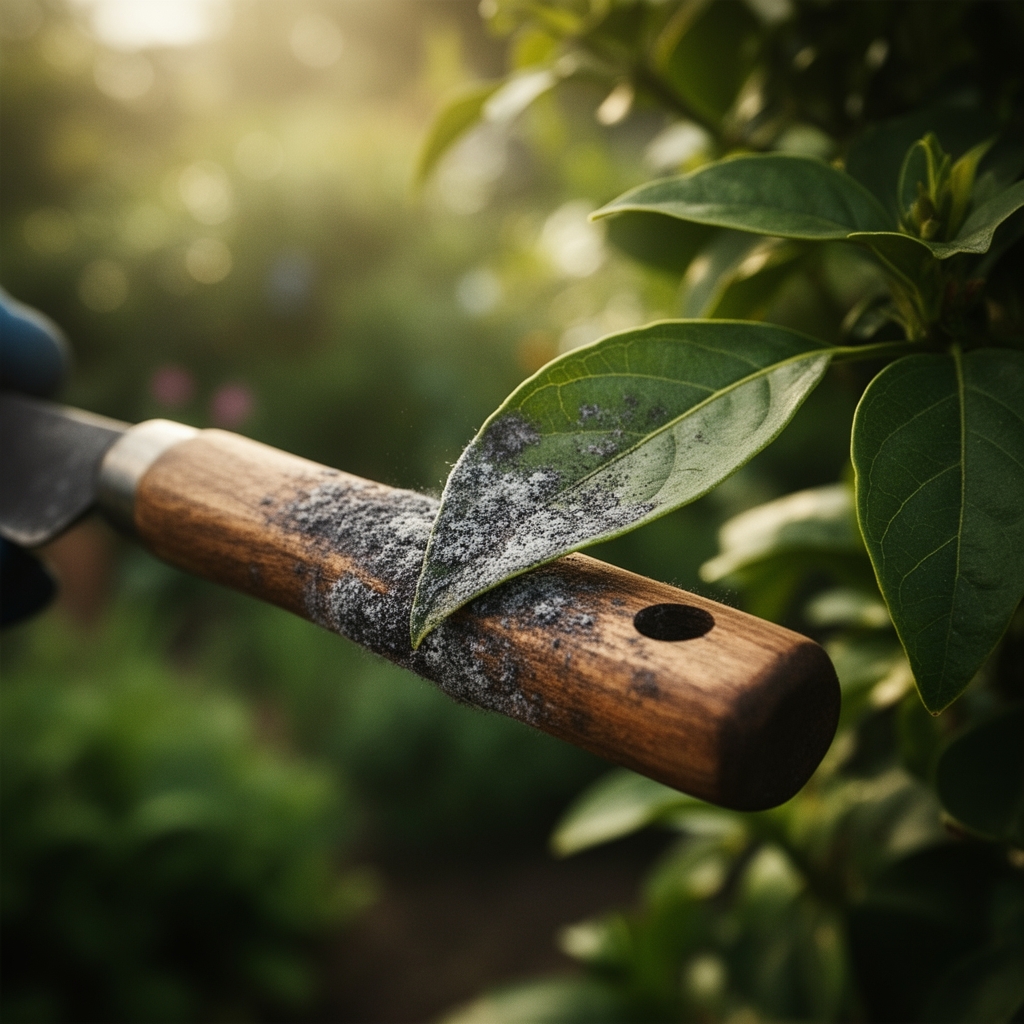
Sooty mold coats leaves in a black, powdery film that blocks photosynthesis and signals an underlying infestation of sap-sucking insects. This fungal growth thrives on honeydew excretions from aphids, scale, whiteflies, or mealybugs. Learning how to treat sooty mold requires addressing both the fungal colonization and the pest population that sustains it. The mold itself rarely penetrates plant tissue, but prolonged coverage weakens growth by reducing light absorption by 40-60 percent.
Materials and Amendments
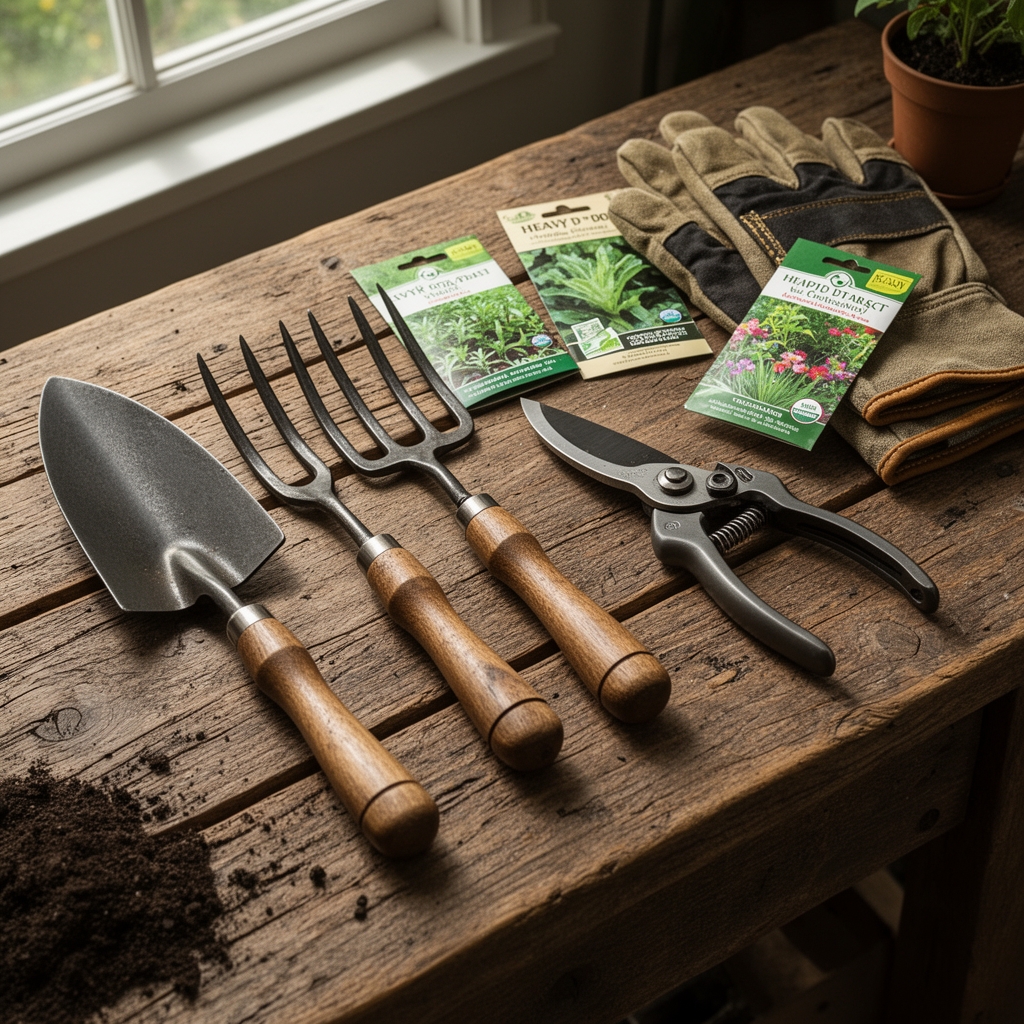
Begin with a baseline soil test to confirm adequate cation exchange capacity above 10 meq/100g. Apply a balanced organic fertilizer rated 4-4-4 to support recovery without spurring excessive tender growth that attracts aphids. Keep soil pH between 6.0 and 7.0 for most ornamentals and edibles. Foliar sprays require horticultural oil (98 percent mineral oil), insecticidal soap (potassium salts of fatty acids), or neem oil (azadirachtin concentration 0.9-3 percent). Mix oils at 2-4 tablespoons per gallon of water with a pH-neutral surfactant to improve coverage. A backpack sprayer with adjustable nozzle ensures even distribution on leaf undersides where pests congregate. For larger infestations, procure Beauveria bassiana or Metarhizium anisopliae, entomopathogenic fungi that colonize insect cuticles. Store biological controls at 40-50 degrees Fahrenheit to preserve spore viability.
Timing by Hardiness Zone
In USDA Zones 8-11, treat sooty mold year-round as warm temperatures sustain continuous pest generations. Apply horticultural oil when daytime temperatures remain below 85 degrees Fahrenheit to prevent phytotoxicity. Zones 5-7 should target early spring before bud break and again in late summer after peak heat subsides. Avoid spraying within two weeks of the average last frost date, as oils can damage tender new tissue exposed to sudden cold snaps. In Zone 4 and colder, inspect plants immediately after hardening off in May, then monitor every 10-14 days through September. Sooty mold develops fastest during humid periods above 60 percent relative humidity, so schedule treatments on dry mornings with forecasted sun to accelerate evaporation and limit recolonization.
Treatment Phases

Initial Cleanup: Remove heavily infested leaves and stems with pruning shears sterilized in 10 percent bleach solution between cuts. Bag and discard debris rather than composting to prevent spore spread. Wash remaining foliage with a strong jet of water at 40-50 psi to dislodge honeydew and fungal hyphae. This mechanical removal reduces mold coverage by 30-50 percent before chemical intervention.
Pro-Tip: Prune at a 45-degree angle 1/4 inch above an outward-facing bud to promote auxin distribution toward healthy growth nodes.
Pest Suppression: Identify the primary honeydew producer through close inspection with a 10x hand lens. Aphids cluster on shoot tips, scale insects attach to stems and leaf veins, and whiteflies flutter when foliage is disturbed. Apply horticultural oil at 7-day intervals for three consecutive applications to suffocate adult insects and disrupt egg-laying cycles. Insecticidal soap requires direct contact, so spray until runoff on both leaf surfaces. Neem oil offers systemic activity; azadirachtin disrupts insect molting and feeding for 7-10 days per application.
Pro-Tip: Introduce Cryptolaemus montrouzieri (mealybug destroyer) or Aphidius colemani parasitoid wasps at a release rate of 5-10 per square meter for sustained biological control.
Fungal Eradication: Once pest populations decline, dissolve 1 tablespoon baking soda (sodium bicarbonate) and 1 teaspoon liquid soap per gallon of water. Spray weekly for three weeks to raise leaf surface pH above 7.5, inhibiting Capnodium and Fumago fungal genera. Alternatively, use a potassium bicarbonate solution at 2-3 teaspoons per gallon for faster mold breakdown. Avoid copper-based fungicides, as sooty mold colonizes surface honeydew rather than living tissue, rendering protectant fungicides ineffective.
Pro-Tip: Inoculate root zones with Trichoderma harzianum at 1 gram per liter of soil drench to boost systemic resistance and mycorrhizal colonization, improving nutrient uptake during recovery.
Troubleshooting Common Complications
Symptom: Yellow stippling on upper leaf surfaces with fine webbing.
Solution: Spider mites often coexist with sooty mold. Spray with 2 percent horticultural oil, ensuring coverage of leaf undersides where mites feed. Increase ambient humidity to 50-60 percent to suppress reproduction.
Symptom: Sticky residue reappears 3-5 days after treatment.
Solution: Secondary pest generation has emerged. Reapply insecticidal soap or release predatory insects. Inspect neighboring plants for reservoir populations.
Symptom: Black coating persists despite pest elimination.
Solution: Dead fungal hyphae remain on leaf cuticles. Wipe foliage with a damp cloth or wait for natural weathering and new growth to replace affected leaves.
Symptom: Leaf burn or bronzing after oil application.
Solution: Phytotoxicity from spraying in high heat or sunlight. Water plants thoroughly, prune damaged tissue, and reapply oil only in temperatures below 80 degrees Fahrenheit.
Maintenance Protocols
Water plants at soil level with 1-1.5 inches per week to maintain turgidity without creating humid canopy conditions. Space plants to allow 12-18 inches between specimens for air circulation that reduces relative humidity and fungal spore germination. Prune dense interiors annually to open canopy structure. Monitor populations of ants, which farm aphids for honeydew; apply diatomaceous earth in a 6-inch band around plant bases to disrupt ant trails. Foliar-feed with kelp extract (0-0-1 NPK plus cytokinins) at 1 tablespoon per gallon monthly to strengthen cell walls and improve stress tolerance. Mulch with 2-3 inches of shredded bark to suppress weeds that harbor alternate pest hosts, keeping mulch 4 inches from stems to prevent moisture accumulation.
Frequently Asked Questions
Does sooty mold kill plants?
No. The fungus feeds on honeydew, not plant tissue, but chronic coverage reduces photosynthesis and weakens growth over months.
Can I use dish soap instead of insecticidal soap?
Avoid detergents with degreasers or fragrances. Pure castile soap at 1-2 tablespoons per gallon is a safer substitute.
How long until sooty mold disappears?
Visible improvement occurs in 2-3 weeks after pest elimination. Complete clearance takes 4-6 weeks as new foliage replaces coated leaves.
Will rain wash away sooty mold?
Moderate rainfall helps, but established fungal colonies require mechanical washing or chemical treatment for full removal.
Should I treat sooty mold on edibles differently?
Yes. Use OMRI-listed horticultural oils and avoid synthetic insecticides within 7-14 days of harvest. Baking soda sprays are food-safe.