6 Simple Ways How to Fix Black Knot
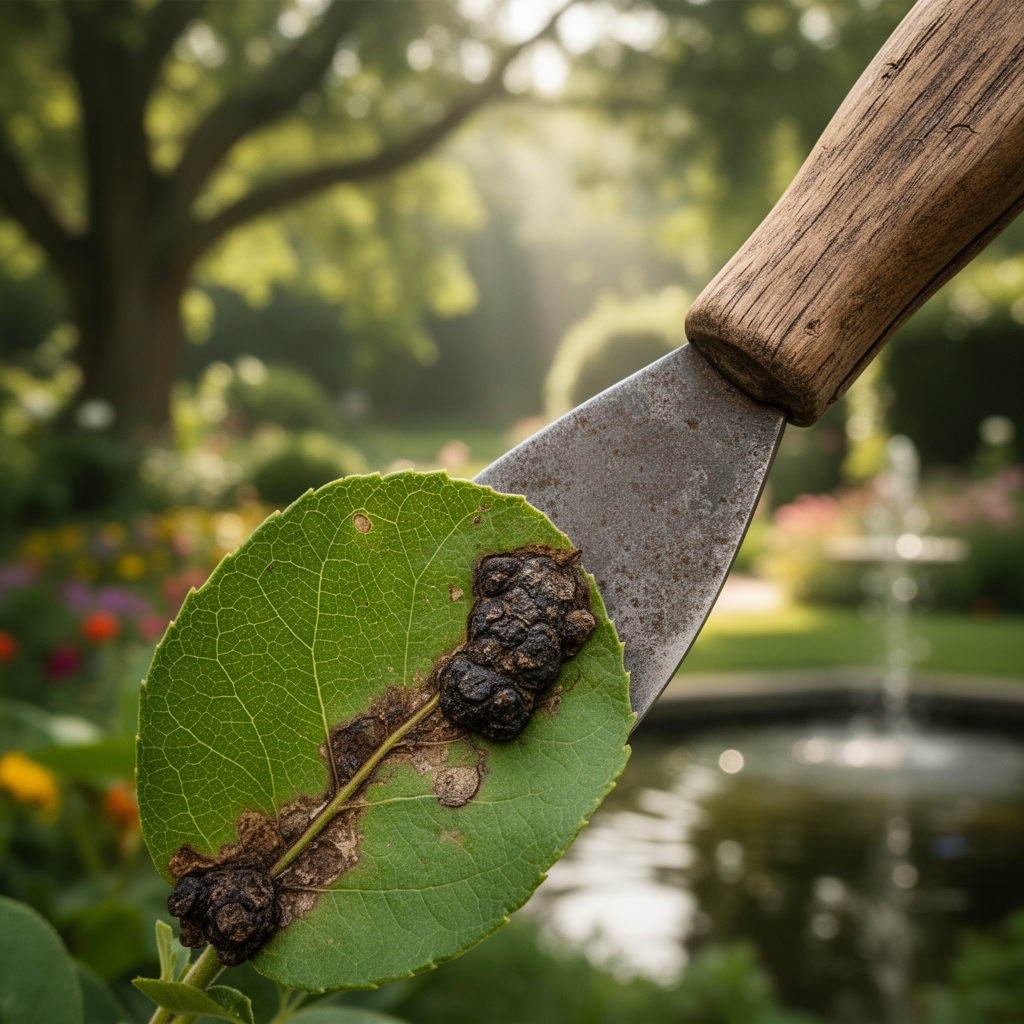
The rough, coal-black galls erupting along cherry and plum branches signal an aggressive fungal invader: Apiosporina morbosa, the organism behind black knot disease. This pathogen disfigures ornamental and fruiting Prunus species, choking vascular tissue and weakening structural integrity. Learning how to fix black knot demands precise timing, surgical removal, and a multi-layered prevention strategy that addresses both active infections and dormant spores overwintering in bark crevices.
Materials
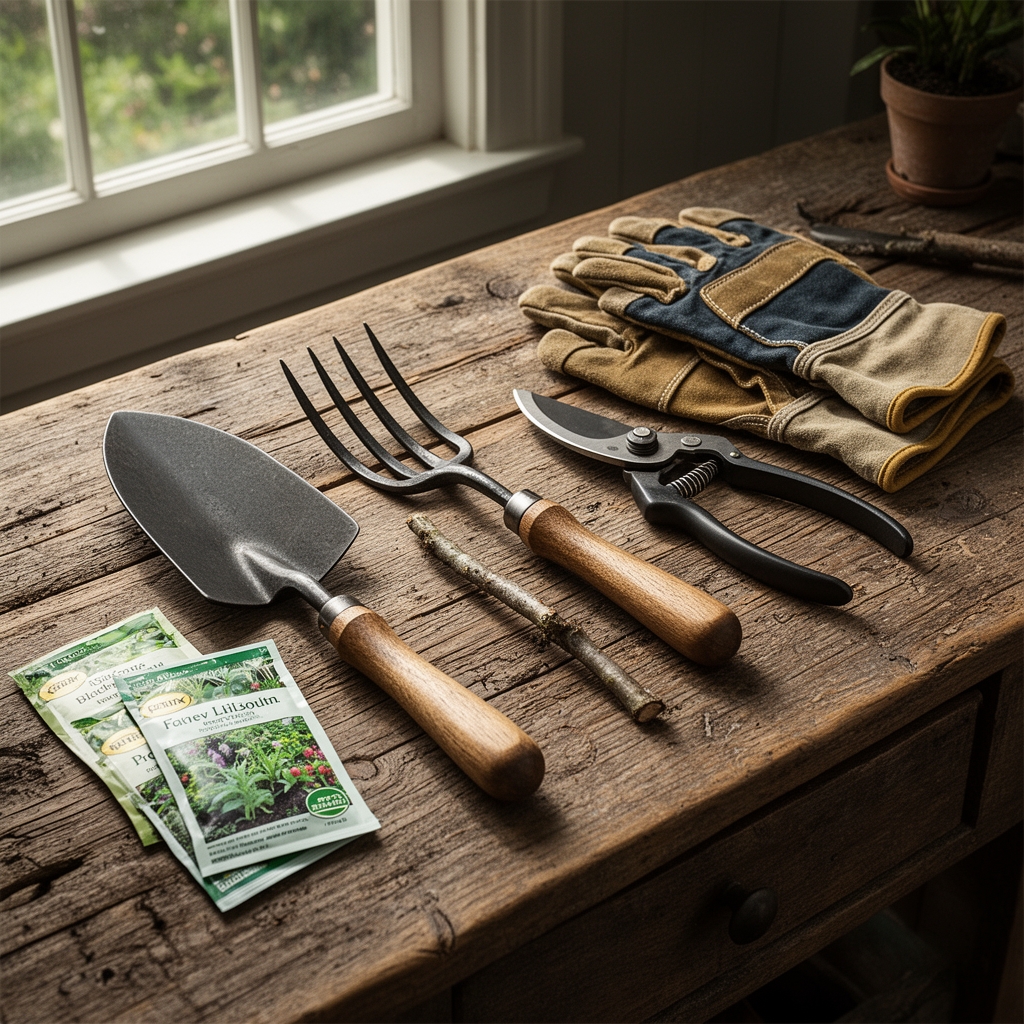
Effective black knot management requires no soil amendments in the traditional sense, but you will need specialized pruning and sanitation tools. A bypass pruner or pruning saw with blades sterilized in 10% bleach solution (1 part bleach to 9 parts water) prevents cross-contamination between cuts. For larger limbs exceeding 2 inches in diameter, a bow saw with replaceable blades ensures clean cuts that heal rapidly.
Fungicide applications rely on copper-based formulations or lime sulfur sprays. Copper hydroxide at 2-3 pounds per 100 gallons of water delivers protective coverage when applied at bud swell. Lime sulfur, typically diluted to 1:15 ratios, penetrates bark fissures where ascospores germinate. A surfactant at 0.125% concentration improves adherence on waxy cuticles.
Supplemental pruning wound sealants are controversial. Research from Cornell University indicates that exposed cambium heals faster when left untreated, allowing natural callus formation to compartmentalize damage. However, in high-humidity regions where secondary infections threaten, shellac-based sealants provide a temporary barrier.
Timing
Black knot interventions must align with the fungal life cycle and regional climate patterns. In USDA Hardiness Zones 4 through 7, where Prunus species commonly grow, dormant-season pruning begins after leaf drop in November and concludes before bud break in March. Temperatures below 40°F halt fungal sporulation, minimizing reinfection risk during cuts.
Spring fungicide applications target the primary infection window. Apply the first spray at bud swell, when green tissue first emerges from dormant buds. A second application follows at bloom, and a third occurs 10 days post-petal fall. This three-spray sequence intercepts ascospores released from mature galls during rain events, which peak between April and June in temperate zones.
Late-summer scouting in August reveals new infections before gall expansion. Young infections appear as slight swellings with olive-green discoloration. Marking these sites with surveyor's tape allows for precise winter removal.
Phases
Removal Phase: Cut infected branches 6 to 8 inches below visible gall tissue. The fungus colonizes wood ahead of observable symptoms, so this margin ensures complete excision. Make cuts at a 45-degree angle just above an outward-facing bud or lateral branch. This angle sheds water and directs new growth away from the trunk, improving air circulation.
Pro-Tip: Burn or deeply bury all pruned material. Apiosporina morbosa produces ascospores for up to two years on detached wood. Composting is insufficient; temperatures must exceed 140°F for three consecutive days to destroy spores.
Sanitation Phase: After each cut, dip pruner blades in 70% isopropyl alcohol or the 10% bleach solution for 30 seconds. This interval kills surface mycelium. Replace the sterilizing solution every 10 cuts or when it appears cloudy. Dried sap and wood particles reduce disinfectant efficacy.
Pro-Tip: Remove all Prunus species within a 500-foot radius showing black knot symptoms. The fungus disperses ascospores via wind currents across suburban landscapes. Neighborhood-wide sanitation reduces inoculum density by up to 80%, according to Purdue Extension data.
Protective Phase: Establish a preventive spray program for uninfected trees. Copper fungicides form a protective film on bark and emerging leaves. Spray to the point of runoff, ensuring coverage of branch crotches where moisture accumulates. Reapply after 0.5 inches of rainfall, as copper washes off exposed surfaces.
Pro-Tip: Thin canopy interiors to increase light penetration and reduce humidity. Branches spaced 8 to 12 inches apart dry within 6 hours after rain, compared to 12-plus hours in dense canopies. Faster drying limits the wet period required for ascospore germination.
Troubleshooting
Symptom: Galls reappear on previously pruned branches within one growing season.
Solution: Expand the removal margin to 12 inches below visible infection. Systemic colonization has advanced further than initial assessment indicated.
Symptom: Galls form on scaffold limbs or the main trunk.
Solution: Tree removal is often necessary. Trunk infections compromise structural integrity and cannot be pruned without destroying the tree's framework. Replace with resistant species such as Prunus maackii (Amur chokecherry) or Prunus virginiana 'Schubert' (Schubert chokecherry).
Symptom: Fungicide applications cause leaf phytotoxicity, with bronzing or marginal necrosis.
Solution: Reduce copper concentration to 1.5 pounds per 100 gallons. Apply during cloudy conditions when temperatures remain below 75°F. High temperatures and direct sun intensify copper burn.
Symptom: New infections appear despite three-spray fungicide program.
Solution: Add a fourth application 14 days after the third spray. Prolonged spring rains extend the infection period beyond standard protocols.
Maintenance
Inspect trees every two weeks from April through June, the peak infection window. Walk a complete circumference around each tree, examining branches at eye level and above using binoculars for tall specimens. Record GPS coordinates or branch positions of suspect areas for follow-up.
Water established Prunus species with 1 inch per week during drought. Stress weakens compartmentalization responses, allowing Apiosporina morbosa to colonize sapwood more aggressively. Drip irrigation delivers moisture without wetting foliage, reducing humidity that favors spore germination.
Apply 2 to 3 inches of wood-chip mulch in a 4-foot radius around the trunk base. Maintain a 6-inch gap between mulch and bark to prevent crown rot. Mulch moderates soil temperature fluctuations and supports beneficial soil fungi that compete with pathogens.
Prune annually to maintain open canopy architecture. Remove water sprouts, which grow vertically and crowd interior branches. These succulent shoots are highly susceptible to infection and serve as entry points for the pathogen.
FAQ
How long does black knot fungicide need to dry before rain?
Copper fungicides require 4 hours of dry conditions to bond with bark and leaf cuticles. Rain within this window washes away active ingredients, necessitating reapplication.
Can black knot spread to apple or pear trees?
No. Apiosporina morbosa infects only Prunus species. Apples (Malus) and pears (Pyrus) belong to different genera and possess incompatible host chemistry.
Do resistant cherry cultivars exist?
'Northstar' and 'Meteor' pie cherries show moderate resistance, developing fewer galls under equal inoculum pressure compared to 'Montmorency'. No cultivar is fully immune.
Should I fertilize infected trees?
Delay nitrogen applications until after gall removal. High nitrogen stimulates succulent growth that the fungus colonizes readily. Apply a balanced 10-10-10 formulation in early spring at 0.1 pounds nitrogen per inch of trunk diameter.
What is the typical lifespan of an infected tree without treatment?
Severe infections girdle scaffold limbs within 3 to 5 years, causing dieback that progresses to tree death by year 7 to 10. Aggressive pruning extends productive life to 15-plus years.