9 Easy Ways How to Treat Pear Rust
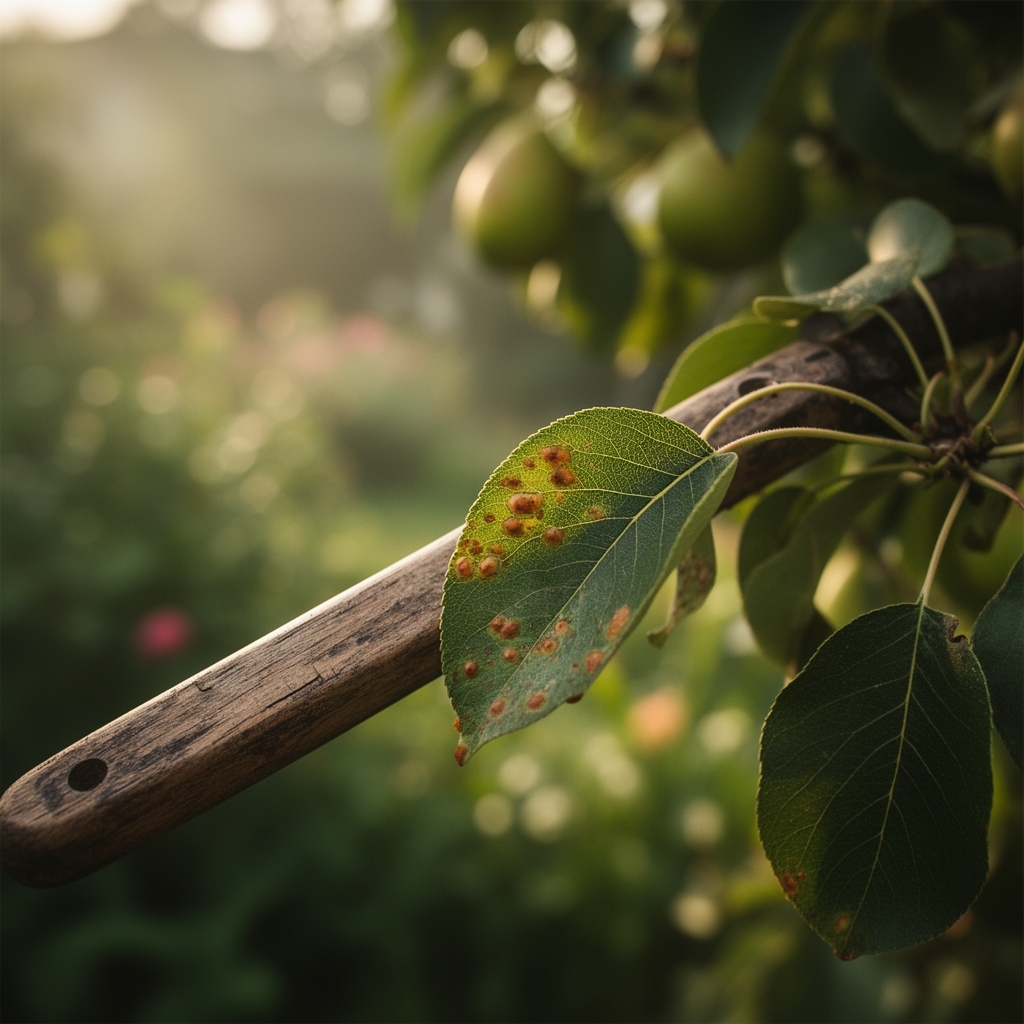
Pear rust announces itself in late spring with bright orange pustules erupting across leaf surfaces, each spore cluster releasing thousands of Gymnosporangium sabinae spores into the orchard air. The fungal pathogen creates concentric yellow halos around infection sites, weakening photosynthetic capacity by up to 40% in severe cases. Learning how to treat pear rust begins with understanding its complex two-host lifecycle: the disease requires both pear trees and juniper species to complete its reproductive cycle, making strategic intervention essential for long-term control.
Materials
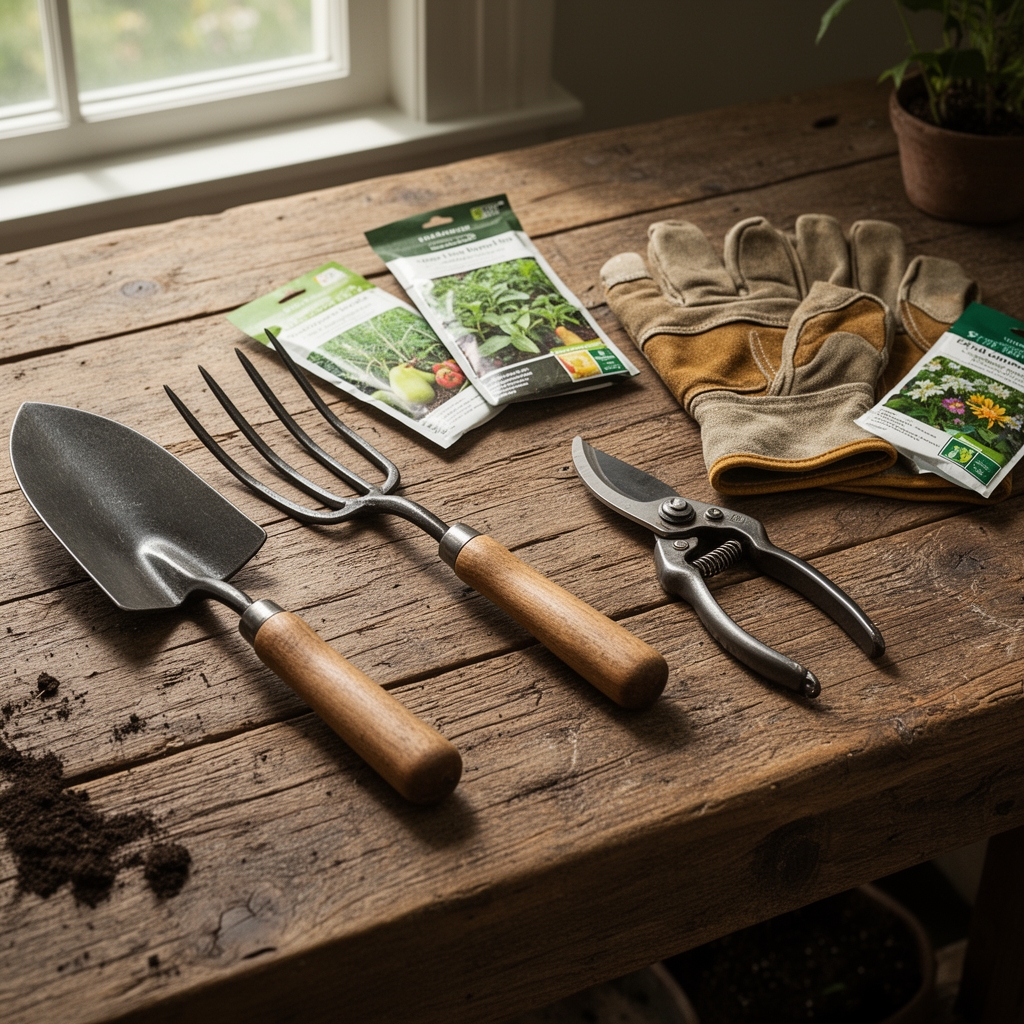
Effective treatment protocols demand specific materials matched to soil chemistry and fungal biology. Copper-based fungicides registered for pear rust (copper hydroxide or copper sulfate formulations) provide contact protection when applied at label rates of 1-2 pounds per 100 gallons of water. Myclobutanil or propiconazole systemic fungicides offer 14-21 days of translocation-based protection through xylem distribution.
Soil amendments supporting tree immunity include composted manure at 3-4-3 NPK ratios, delivering slow-release nitrogen without forcing excessive succulent growth. Sulfur amendments lower pH to 6.0-6.5 range optimal for pear root nutrient uptake while creating slightly acidic conditions less favorable to rust establishment. Rock phosphate (0-3-0) strengthens cell wall lignification through enhanced calcium-phosphorus interactions. Kelp meal (1-0.5-2.5) supplies cytokinin precursors that regulate auxin distribution for balanced canopy development.
Pruning tools require 10% sodium hypochlorite solution or 70% isopropyl alcohol for sterilization between cuts. Backpack sprayers with adjustable nozzles ensure complete leaf coverage including abaxial surfaces where rust pustules primarily form.
Timing
Pear rust management follows strict phenological windows aligned with both pathogen biology and host susceptibility. In USDA Hardiness Zones 5-7, primary infection occurs during petal fall through first cover spray timing, typically April 15-May 15 depending on latitude. Zone 8 orchards experience earlier infection windows, March 20-April 20, corresponding to warmer spring temperatures that accelerate spore release from juniper galls.
Fungicide applications must begin at green tip stage when overwintering teliospores become active on juniper hosts located within 2 miles of pear plantings. Critical spray intervals occur at pink bud, bloom (only with bee-safe formulations), petal fall, and two subsequent cover sprays at 10-14 day intervals. Late-season applications after June 30 provide minimal benefit as primary infection periods close and cuticle thickness increases leaf resistance.
Juniper removal operations should occur during dormancy, November through February in Zones 6-7, before spring gall activation. Coordinate removal when soil is frozen to minimize site disturbance and equipment rutting.
Treatment Phases
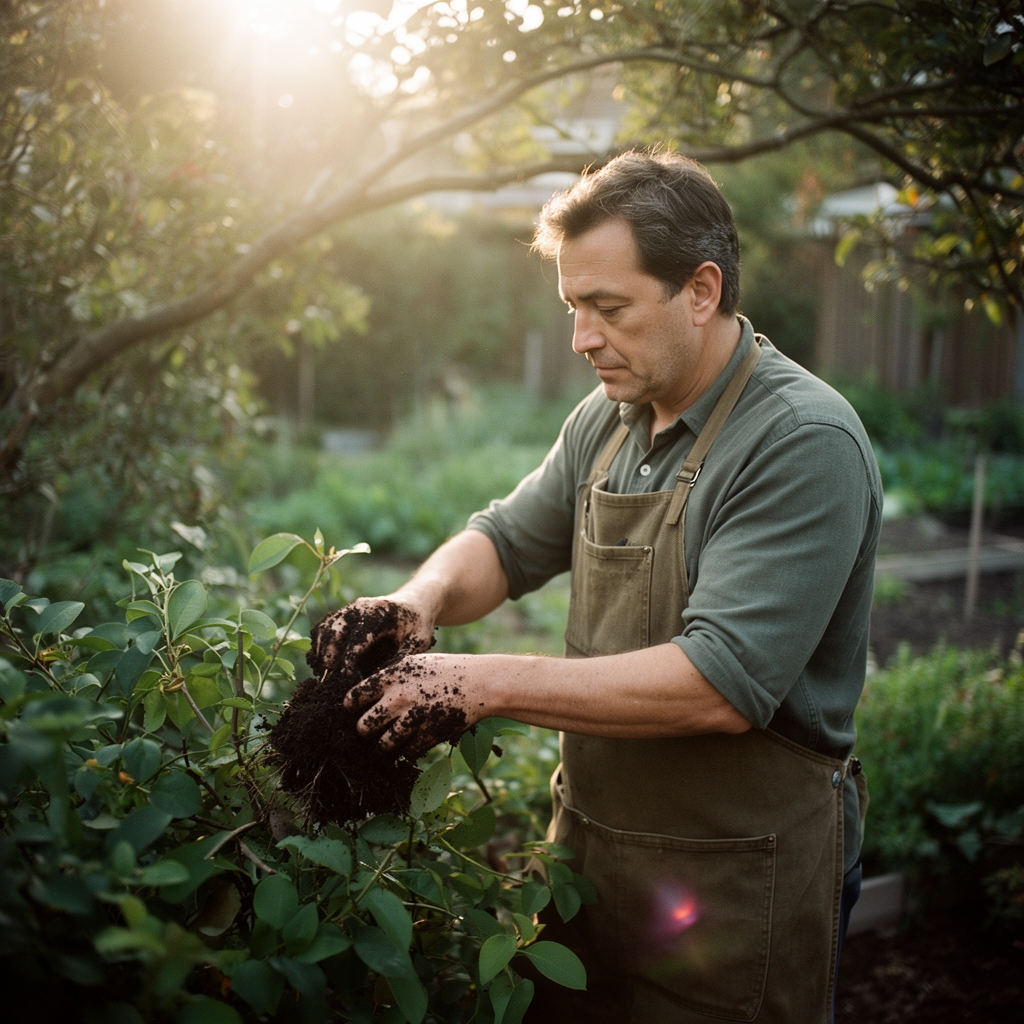
Prevention Phase: Establish 500-foot buffer zones between pear and juniper plantings where feasible. Survey properties within 0.25-mile radius for Juniperus virginiana, J. scopulorum, or J. horizontalis, the primary alternate hosts. Remove galls from retained landscape junipers during winter dormancy, cutting 4-6 inches below visible swelling to eliminate embedded mycelium. Apply copper fungicide at green tip when first leaves emerge, coating all bark and bud surfaces.
Pro-Tip: Inoculate root zones with Trichoderma harzianum at transplanting. This beneficial fungus colonizes root surfaces, competing with pathogens and inducing systemic acquired resistance through jasmonic acid pathways.
Active Treatment Phase: At first rust pustule observation, remove and destroy infected leaves within 10-foot radius of symptomatic trees. Apply systemic fungicide (myclobutanil at 4-5 fluid ounces per 100 gallons) ensuring spray-to-drip coverage of all foliage. Retreat every 14 days through primary infection period. Monitor weather for extended leaf wetness periods exceeding 6 hours, which facilitate secondary infection cycles.
Pro-Tip: Tank-mix copper fungicide with horticultural oil (1-2% solution) during dormant season. Oil enhances copper adhesion and disrupts overwintering spore viability on bark surfaces.
Recovery Phase: Post-infection nutrient support accelerates replacement foliage development. Apply foliar kelp extract (1:20 dilution) biweekly from June through August to stimulate auxin production and leaf regeneration. Maintain soil moisture at 1 inch per week through drip irrigation to prevent drought stress that compounds rust damage. Prune out severely defoliated branches at 45-degree angles 1/4 inch above outward-facing buds to redirect energy into healthy scaffold limbs.
Pro-Tip: Submit leaf tissue samples in July for nutrient analysis. Rust-weakened trees often show potassium deficiency (below 1.2% dry weight), requiring supplemental potassium sulfate at 1-2 pounds per inch of trunk diameter.
Troubleshooting
Symptom: Premature defoliation affecting 30-50% of canopy by mid-July.
Solution: Increase spray frequency to 7-day intervals during wet springs. Add organosilicone surfactant at 0.025-0.05% to improve cuticle penetration on thick-leaved cultivars like 'Bartlett.'
Symptom: Rust pustules appearing on fruit surfaces.
Solution: This indicates Gymnosporangium asiaticum rather than G. sabinae. Rotate to strobilurin fungicides (trifloxystrobin) which offer broader spectrum rust control including fruit infections.
Symptom: Fungicide applications show reduced efficacy after 2-3 seasons.
Solution: Resistance development in rust populations requires rotation between FRAC groups. Alternate Group M (copper), Group 3 (myclobutanil), and Group 11 (azoxystrobin) across seasons.
Symptom: New infections appearing despite juniper removal.
Solution: Spores travel 2-3 miles on spring winds. Coordinate neighborhood juniper surveys and removal campaigns. Alternative hosts include serviceberry (Amelanchier) in some regions.
Symptom: Chlorotic halos expanding beyond rust pustules.
Solution: Indicates secondary nutrient lockout from rust toxins. Foliar-feed chelated iron (FeEDTA) at 0.5-1.0 pound per 100 gallons to restore chlorophyll synthesis.
Maintenance
Maintain consistent soil moisture at 1-1.5 inches weekly from bloom through harvest using drip irrigation placed 18 inches from trunk. Mulch with 3-4 inch layer of aged wood chips (not fresh, which ties up nitrogen) maintaining 6-inch clearance from bark to prevent crown rot. Annual spring fertilization with balanced 10-10-10 at 0.1 pounds nitrogen per year of tree age supports vigor without creating rust-susceptible succulent growth.
Prune annually during dormancy to maintain open canopy architecture allowing rapid leaf drying. Target 30-40% light penetration to canopy interior measured at midday. Remove water sprouts and crossing branches that create humidity pockets favorable for rust establishment. Sterilize pruning tools between cuts when removing symptomatic tissues.
Monitor weekly from pink bud through June 30, scouting 10 leaves per tree across multiple canopy positions. Economic threshold is 5% leaf infection, triggering immediate fungicide response.
FAQ
How long does pear rust treatment take to work?
Copper fungicides provide immediate contact protection but do not cure existing infections. Systemic fungicides halt disease progression within 48-72 hours of application. New growth emerging 10-14 days post-treatment shows full protection if spray coverage was adequate.
Can infected pears be eaten safely?
Pear rust rarely infects fruit of European pear varieties. The fungus targets leaf tissue exclusively in Pyrus communis. Fruit quality remains unaffected though yield decreases 15-25% from reduced photosynthesis in severely defoliated trees.
Do resistant pear varieties exist?
'Kieffer', 'Moonglow', and 'Magness' show moderate resistance with 40-60% fewer infections under high disease pressure. No commercial variety offers complete immunity. Asian pear varieties (P. pyrifolia) display higher susceptibility than European types.
What is the juniper removal radius needed?
Research demonstrates 90% infection reduction when all susceptible junipers within 900 feet are removed. Practical control occurs with 300-500 foot clearing. Spores remain viable during 2-mile wind transport but infection pressure drops exponentially with distance.
Should I spray during bloom?
Apply only bee-safe formulations (Bacillus subtilis biological fungicides) during open bloom. Reserve copper and synthetic fungicides for pre-bloom and petal fall timings. Rust infections initiated during bloom cause greatest seasonal damage, making this timing critical despite pollinator considerations.