9 Best Culinary Herbs for Design
Crushing a sun-warmed leaf of Mediterranean rosemary between your thumb and forefinger releases a volatile oil profile dominated by 1,8-cineole and camphor. This tactile feedback indicates high turgor pressure and optimal cellular hydration. Integrating the best culinary herbs for design requires more than aesthetic placement; it demands an understanding of plant physiology and spatial architecture. A well-designed herb garden functions as a living laboratory where structural form meets high-yield utility.
The architectural value of these plants lies in their diverse growth habits. Prostrate forms like creeping thyme provide essential ground cover to suppress weeds and regulate soil temperature. Vertical specimens like bay laurel or upright rosemary serve as structural anchors. By selecting the best culinary herbs for design based on their mature dimensions and light requirements, a gardener creates a resilient polyculture. Success depends on the intersection of soil chemistry and microclimate management. You are not just planting food; you are engineering a functional ecosystem that maximizes photosynthetic efficiency and volatile oil production.
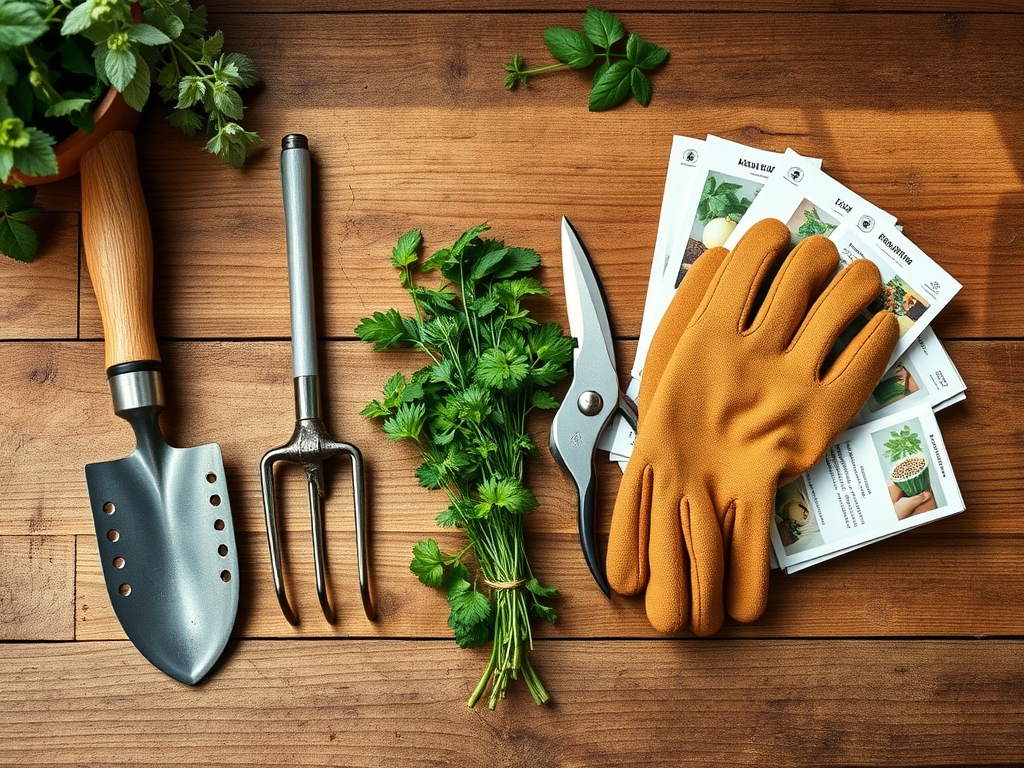
Materials:
The foundation of a high-performance herb garden is a friable loam with a high Cation Exchange Capacity (CEC). This allows the substrate to retain essential nutrients like potassium and magnesium while providing adequate macropore space for oxygen diffusion to the rhizosphere. Most culinary herbs require a soil pH between 6.0 and 7.0, though Mediterranean species prefer the higher end of that spectrum to facilitate calcium uptake.
For structural herbs like Rosemary (Salvia rosmarinus) and Sage (Salvia officinalis), utilize a low-nitrogen fertilizer with an NPK ratio of 5-10-10. Excessive nitrogen encourages rapid, succulent growth that lacks the structural integrity required for design and possesses lower concentrations of essential oils. For leafy annuals like Basil (Ocimum basilicum), a balanced 10-10-10 NPK ratio supports rapid leaf expansion. Ensure the substrate contains 15% to 20% perlite or coarse sand to prevent anaerobic conditions and root rot.
Timing:
Timing is dictated by the photoperiod and local frost dates. Most perennial culinary herbs are hardy in USDA Zones 7 through 10, while annuals like cilantro and basil are highly sensitive to thermal fluctuations. The "Biological Clock" of an herb is the transition from the vegetative stage to the reproductive stage, often triggered by increasing day length and temperatures exceeding 75 degrees Fahrenheit.
For cool-season herbs like Cilantro (Coriandrum sativum) and Parsley (Petroselinum crispum), sowing should occur 4 to 6 weeks before the last spring frost. These plants bolt (enter the reproductive stage) when soil temperatures rise above 75 degrees Fahrenheit. Conversely, heat-loving herbs like Basil must not be transplanted until night temperatures consistently remain above 50 degrees Fahrenheit. Monitoring the Growing Degree Days (GDD) provides a precise metric for predicting harvest windows and flowering onset.
Phases:

Sowing
Begin seeds in a sterile, soilless medium to prevent damping-off caused by fungal pathogens. Maintain a constant temperature of 70 degrees Fahrenheit using a germination mat. For small seeds like oregano or thyme, surface-sow and press lightly into the medium; they require light to break dormancy.
Pro-Tip: Utilize scarification for hard-coated seeds like parsley. Soaking seeds in tepid water for 24 hours weakens the seed coat, accelerating the imbibition process and increasing germination rates by up to 40%.
Transplanting
When seedlings develop their second set of true leaves, they are ready for the garden. Use a hori-hori knife to create a hole twice the width of the root ball. Ensure the crown of the plant sits exactly at the soil line. Deep planting can lead to stem rot, while shallow planting exposes the delicate root architecture to desiccation.
Pro-Tip: Inoculate the planting hole with mycorrhizal fungi. This establishes a symbiotic relationship where the fungi extend the root system's reach, improving phosphorus uptake and increasing the plant's resistance to drought stress.
Establishing
During the first 14 to 21 days, focus on root development over top growth. Irrigate deeply but infrequently to encourage roots to penetrate lower soil strata. Monitor the plants for signs of transplant shock, such as temporary loss of leaf turgor during peak sunlight hours.
Pro-Tip: Practice apical pruning or "pinching" once the plant reaches 6 inches in height. By removing the terminal bud, you suppress auxin dominance, which stimulates lateral branching and results in a bushier, more structurally sound plant for your design.
The Clinic:
Physiological disorders often mimic infectious diseases. Accurate diagnosis is critical for intervention.
Symptom: Yellowing of lower leaves while veins remain green (Interveinal Chlorosis).
Solution: This typically indicates a Magnesium deficiency. Apply a foliar spray of Epsom salts (magnesium sulfate) at a rate of 1 tablespoon per gallon of water to restore chlorophyll production.
Symptom: Purpling of stems and older leaves.
Solution: This is a classic sign of Phosphorus deficiency, often caused by cold soil temperatures (below 55 degrees Fahrenheit) which inhibit phosphorus solubility. Increase soil temperature using black plastic mulch or wait for seasonal warming.
Symptom: Tip burn on new growth.
Solution: This suggests Calcium localized deficiency, often linked to inconsistent moisture levels rather than a lack of calcium in the soil. Calcium moves through the plant via transpiration; if watering is erratic, the nutrient cannot reach the furthest extremities.
Fix-It for Nitrogen Chlorosis: If the entire plant appears pale green or yellow, apply a high-nitrogen organic liquid fertilizer like fish emulsion. Nitrogen is a mobile nutrient; the plant will translocate it from older leaves to new growth, so immediate supplementation is necessary to prevent senescence.
Maintenance:
Precision maintenance ensures the longevity of your design. Use a soil moisture meter to verify that the top 2 inches of soil have dried before re-watering. Most herbs require 1 to 1.5 inches of water per week, delivered directly at the drip line to keep the foliage dry and prevent fungal spores from germinating.
Maintain sharp bypass pruners to make clean, slanted cuts. Ragged edges increase the surface area for pathogen entry. Every autumn, top-dress the herb bed with 1 inch of well-composted organic matter to replenish the nutrient pool and maintain the soil's cation exchange capacity. For woody perennials like lavender or sage, prune back by one-third in early spring to prevent the center of the plant from becoming leggy and unproductive.
The Yield:
Harvesting is a form of pruning that dictates the plant's future shape. For the highest concentration of essential oils, harvest in the morning after the dew has evaporated but before the sun reaches its zenith. Use your hori-hori knife or sharp scissors to take no more than 30% of the plant's biomass at one time.
For woody herbs, harvest the top 2 to 4 inches of soft growth. For leafy annuals, harvest individual leaves or entire stems just above a node to encourage regrowth. To maintain "day-one" freshness, place the cut ends in a glass of water or wrap them in a damp paper towel and refrigerate at 40 degrees Fahrenheit. This slows the metabolic rate and prevents the degradation of volatile aromatic compounds.
FAQ:
Which herbs are best for high-traffic border designs?
Creeping Thyme (Thymus praecox) and Roman Chamomile (Chamaemelum nobile) are ideal. They possess high tensile strength and can withstand occasional foot traffic while maintaining a low, dense mat that suppresses weeds and stabilizes the soil.
How do I prevent my mint from taking over the garden?
Mint spreads via aggressive underground rhizomes. To control it within a design, plant it in a 5-gallon plastic bucket with the bottom removed, then sink the bucket into the ground. This physical barrier contains the root system.
Can I grow culinary herbs in partial shade?
While most prefer full sun, Mint, Chives, and Cilantro can tolerate 4 to 6 hours of sunlight. In these conditions, they may have slightly lower oil concentrations but will still produce viable foliage for culinary use.
What is the best way to overwinter rosemary in cold climates?
In zones colder than USDA Zone 7, grow rosemary in containers. Move them indoors to a bright, cool location (50-60 degrees Fahrenheit) when temperatures drop. Reduce watering significantly to match the plant's dormant metabolic state.