9 Vital Steps to Install Climbing Plant Supports
The scent of damp, anaerobic clay mixed with the sharp musk of crushed pine needles signals a workspace ready for structural intervention. A healthy vine maintains high turgor pressure; its cells are engorged with water to provide the rigidity necessary to seek sunlight. Without a framework, these plants collapse under their own biomass, leading to fungal pathogens in the lower canopy. Learning the precise steps to install climbing plant supports ensures that the vertical architecture of your garden withstands wind shear and fruit weight. This process requires more than aesthetic placement. It demands an understanding of the plant's mechanical attachment method, whether through adventitious roots, twining petioles, or tendrils. Proper installation prevents stem girdling and optimizes the photosynthetic surface area of the foliage.
Materials:
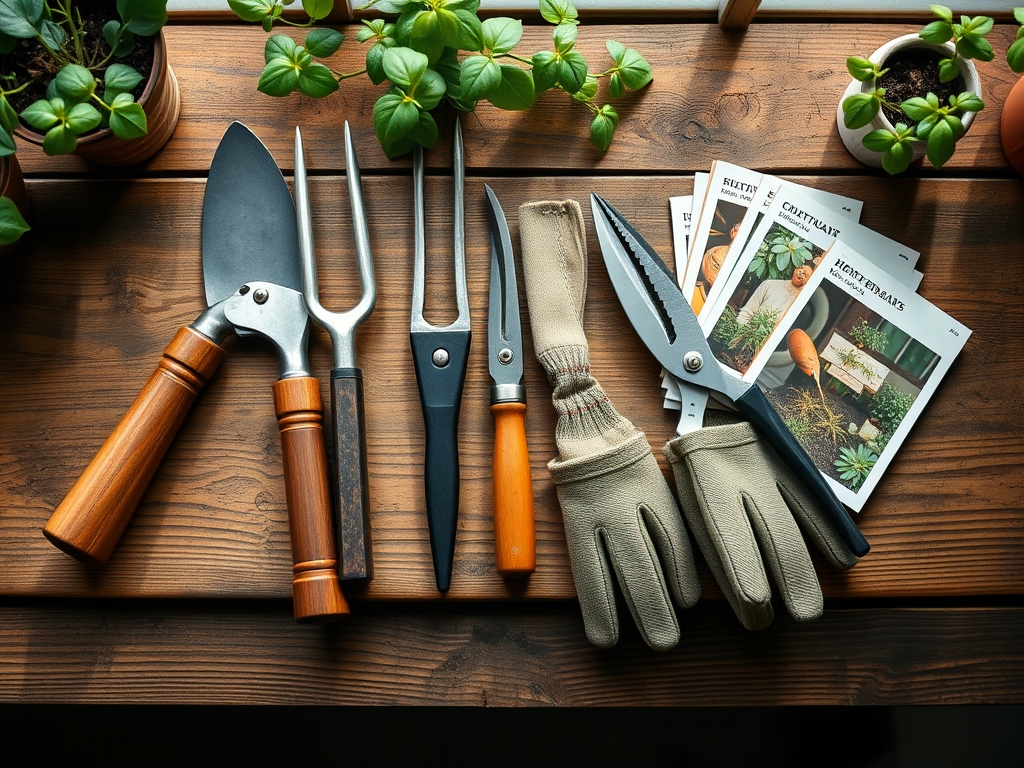
The foundation of any support system begins in the rhizosphere. You must prepare a **friable loam** with a Cation Exchange Capacity (CEC) above **15 meq/100g** to ensure nutrient retention. Before driving posts, test the soil pH; most climbers thrive between **6.0 and 7.0 pH**. For heavy feeders like Clematis or climbing roses, incorporate a slow-release fertilizer with an **NPK ratio of 10-30-20** to prioritize root development and floral initiation over excessive leaf production. Your toolkit must include galvanized wire, heavy-gauge cattle panels, or cedar posts treated with non-toxic sealants. Avoid pressure-treated lumber that may leach arsenic or copper into the root zone of sensitive species.
Timing:
Installation must occur during the dormant season or the early vegetative phase to avoid damaging established root systems. In Hardiness Zones 5 through 7, this window typically opens between late February and early April, once the soil temperature reaches a consistent 45 degrees Fahrenheit. This timing aligns with the plant's biological clock as it transitions from dormancy to active growth. Installing supports after the plant has reached the reproductive stage (flowering) risks breaking apical meristems and inducing stress-related senescence. Monitor the local frost-date window; your structure should be in place at least two weeks before the final spring frost to allow the soil to settle around the base of the supports.
Phases:

Sowing and Positioning
Dig a hole twice the width of the support post. For a standard trellis, the base should be buried at least 18 inches deep to resist leverage from mature vines. If sowing seeds directly, place them 3 inches from the support base.
Pro-Tip: Position the support on the windward side of the plant. This utilizes the plant's natural thigmotropism, a biological response where the plant changes its growth pattern in response to touch, allowing it to wrap more securely around the structure as it grows.
Transplanting
When moving a container-grown climber to a permanent support, tease the roots to break any circular growth patterns. Set the root ball so the crown is level with the soil surface. Backfill with a mix of native soil and composted organic matter to maintain a bulk density of approximately 1.3 g/cm3.
Pro-Tip: Inoculate the planting hole with mycorrhizal fungi. This symbiotic relationship expands the root's surface area, increasing the uptake of phosphorus and water, which is critical for the high transpiration rates of vertical plants.
Establishing
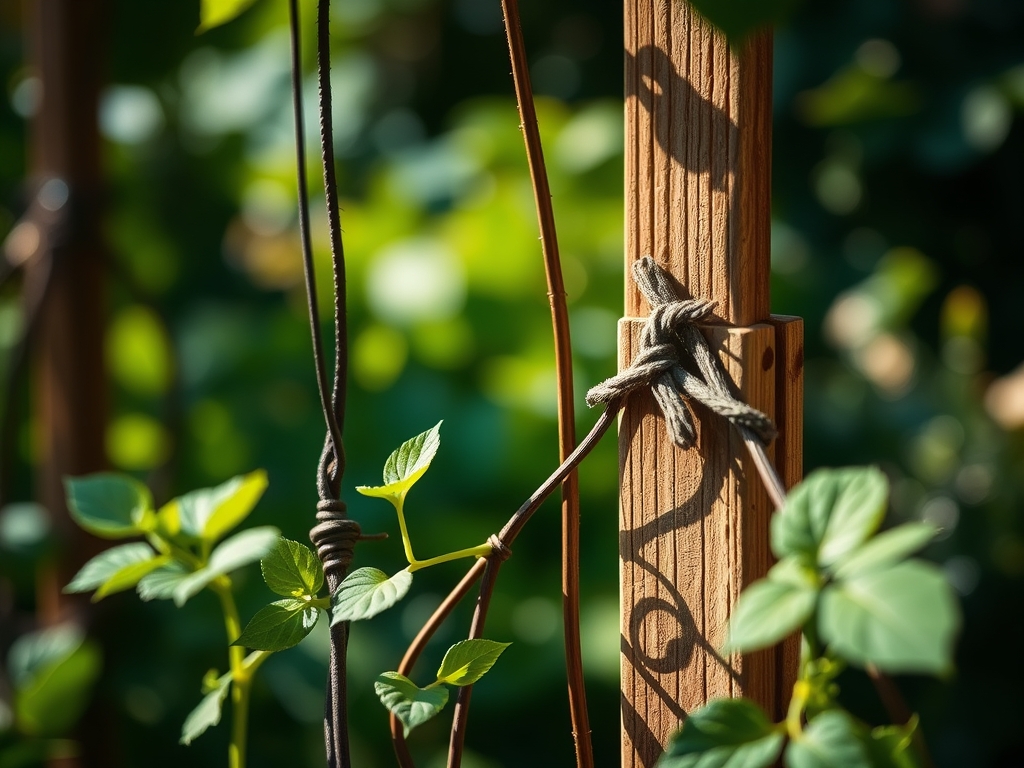
Secure the primary stems to the support using soft garden twine in a figure-eight pattern. This allows for secondary thickening of the xylem and phloem without causing mechanical constriction. Maintain a gap of 2 inches between the plant and the support to allow for air circulation.
Pro-Tip: Suppress auxin production in the apical meristem by gently bending the main leader horizontally. This hormonal shift encourages lateral branching, resulting in a fuller, more productive vertical display.
The Clinic:
Physiological disorders often manifest when the support system is inadequate or poorly positioned.
Symptom: Interveinal chlorosis (yellowing between leaf veins).
Solution: This indicates a Nitrogen or Iron deficiency. Check the soil pH first; if pH is above 7.5, iron becomes insoluble.
Fix-It: Apply a chelated iron drench or a high-nitrogen foliar spray with a 20-10-10 NPK ratio to restore chlorophyll production.
Symptom: Stem canker or localized necrosis at contact points.
Solution: This is often caused by mechanical friction or "girdling" from tight ties.
Fix-It: Loosen all fasteners. Use a hori-hori knife to remove any dead tissue back to the healthy green cambium layer.
Symptom: Wilting despite adequate soil moisture.
Solution: This suggests root rot or a lack of oxygen in the rhizosphere due to soil compaction around the support post.
Fix-It: Use a garden fork to aerate the soil 12 inches away from the main stem. Reduce irrigation to 1 inch of water per week.
Maintenance:
Precision maintenance is required to keep the biomass from overtaxing the support. Use a soil moisture meter daily to ensure the root zone stays between 60% and 80% field capacity. Most climbers require 1.5 inches of water per week delivered at the drip line to maintain cellular turgor. Every spring, use bypass pruners to remove the "Three Ds": dead, damaged, or diseased wood. Sanitize your tools with a 10% bleach solution between plants to prevent the spread of pathogens. Check the tension on wire supports annually; seasonal temperature fluctuations can cause metal to expand and contract, potentially loosening the anchors.
The Yield:
For flowering climbers, harvest when the first two petals begin to unfurl from the bud. This stage ensures the highest concentration of carbohydrates in the stem, extending vase life. Use a sharp, sterilized blade to make a 45-degree cut, which maximizes the surface area for water uptake. For edible climbers like pole beans or hops, harvest frequently to prevent the plant from entering the seed-set phase, which triggers hormonal signals to stop production. Place harvested material immediately into a bucket of 40-degree Fahrenheit water to remove field heat and maintain "day-one" freshness through the suppression of metabolic respiration.
FAQ:
How deep should I bury a 6-foot trellis post?
Bury the post at least 24 inches deep. For high-wind areas, add 6 inches of gravel at the base for drainage. This depth prevents the leverage of a heavy vine from pulling the support out of the substrate.
Can I use plastic ties for my climbing plants?
Avoid rigid plastic ties. They do not expand with the plant's secondary growth. Use soft cotton twine or specialized rubberized wire. These materials prevent girdling and allow the vascular system to transport nutrients without restriction.
What is the best NPK ratio for new climbers?
Use a 10-52-10 NPK starter fertilizer. The high phosphorus content stimulates rapid root architecture development. Strong roots are essential for the plant to anchor itself to the new support system during the first growing season.
When should I prune my climbing roses?
Prune in late winter while the plant is dormant. Remove old canes that have stopped producing. This directs the plant's energy into new, vigorous growth that will easily train to your installed support structure.