8 Best Gravel for Desert Themes
The smell of dry silica and the crunch of igneous rock under a heavy boot define the structural integrity of an arid landscape. In these environments, turgor pressure is the primary battle; plants must maintain internal fluid tension against a relentless evaporative demand. Selecting the best gravel for desert themes is not merely an aesthetic choice. It is a critical management of the thermal mass and moisture retention of the rhizosphere. Proper aggregate selection prevents crown rot while reflecting solar radiation to stabilize soil temperatures.
Materials:
Desert landscapes require a substrate that mimics the high mineral content and low organic matter of the Mojave or Sonoran basins. The ideal soil base beneath your gravel should be a friable sandy loam with a pH range of 7.0 to 8.5. Unlike temperate gardens, the target NPK ratio for desert perennials is a lean 5-10-10. Excessive nitrogen (N) leads to rapid, weak cellular elongation that collapses under heat stress.
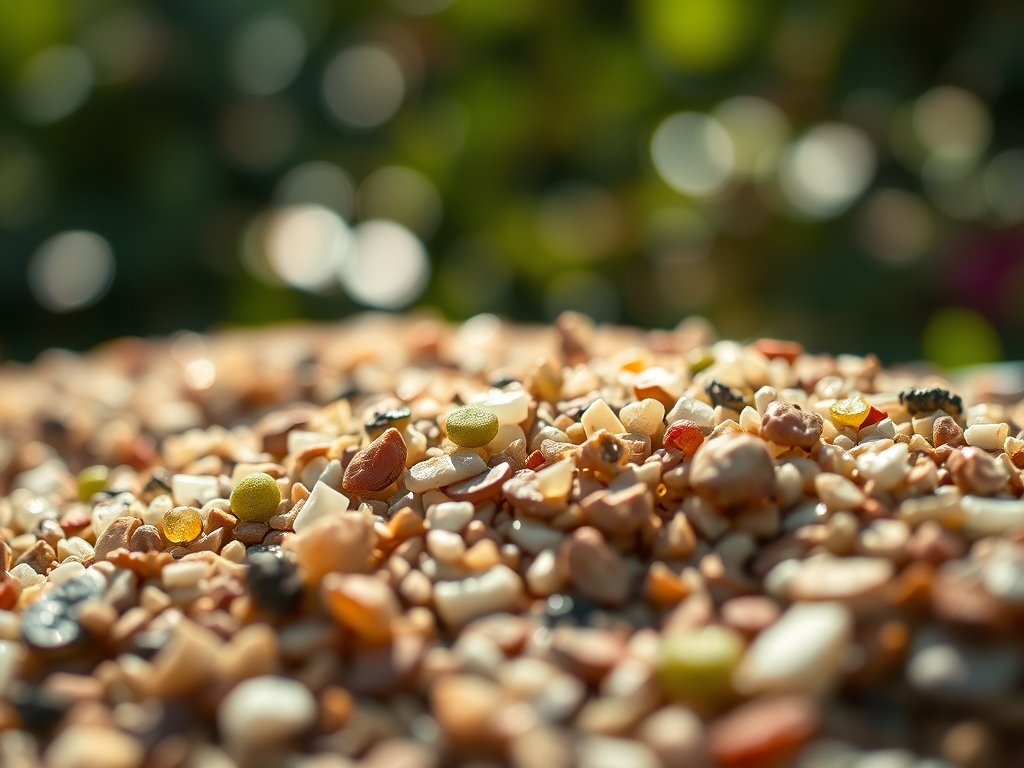
The best gravel for desert themes includes:
- Decomposed Granite (DG): High in potassium and micronutrients; packs tightly for stability.
- Crushed Red Volcanic Rock (Scoria): High porosity for gas exchange; pH neutral.
- Pea Gravel: Smooth texture; ideal for high-traffic areas but offers lower stability.
- River Rock (Cobble): Best for drainage swales to prevent erosion during monsoon events.
- Crushed Limestone: Raises soil pH; use only for calciphile species like Agave.
- Basalt Chippings: Dark color absorbs heat; useful for extending the growing season in cooler zones.
- Quartzite: Low thermal conductivity; keeps roots cool in extreme heat.
- Mexican Beach Pebbles: High density; used sparingly for focal points to avoid salt accumulation.
The Cation Exchange Capacity (CEC) of these mineral mulches is generally low, meaning the gardener must rely on slow-release mineral additives rather than organic composts that hold excessive moisture and pathogens.
Timing:
Successful desert installation depends on the Biological Clock of the selected species. Most desert flora transition from vegetative growth to reproductive stages based on photoperiod and thermal accumulation. In Hardiness Zones 8 through 11, the primary planting window occurs between October and March. This allows the root system to establish before the atmospheric demand for transpiration exceeds the plant's hydraulic capacity in June.
Avoid planting when soil temperatures are below 55 degrees Fahrenheit. While the plants may be dormant, cold, damp soil increases the risk of fungal pathogens in the Pythium genus. Monitor the frost-date windows closely; a late spring frost can cause cellular rupture in new succulent growth where turgor pressure is highest.
Phases:
Sowing and Site Prep
Clear all existing vegetation to the mineral soil layer. If using seeds for desert wildflowers, scarify the area with a steel rake. Ensure the grade slopes away from structures at a 2 percent minimum.
Pro-Tip: Ensure the gravel layer is at least 2 to 3 inches deep. This depth creates a vapor barrier that prevents capillary action from drawing moisture out of the soil, effectively suppressing weed germination by denying light to the soil surface.
Transplanting
Dig a hole twice as wide as the root ball but no deeper. For desert species, the crown must sit 0.5 inches above the surrounding soil line to prevent moisture accumulation against the stem. Backfill with native soil mixed with 10 percent pumice for aeration.
Pro-Tip: When backfilling, do not pack the soil with your feet. Use water to settle the earth. This preserves the macropores in the soil, allowing for better oxygen diffusion to the roots, which is essential for cellular respiration.
Establishing
Once the plant is in the ground, apply the selected gravel up to the base of the plant but not touching the trunk or stem. This prevents "stem sweat" and rot.
Pro-Tip: Use mycorrhizal inoculants during the transplant phase. These symbiotic fungi extend the reach of the root system, increasing the surface area for water absorption by up to 100 times, which is vital during the first summer of establishment.
The Clinic:
Physiological disorders in desert themes often stem from abiotic stress rather than pests.
Symptom: Soft, yellowing base of the plant (Basal Rot).
Solution: This indicates excessive moisture in the rhizosphere. Remove the surrounding gravel to allow the soil to dry. Increase the percentage of volcanic scoria in the top layer to improve evaporation.
Symptom: Interveinal chlorosis (yellow leaves with green veins).
Solution: This is a Iron (Fe) deficiency, common in high pH soils where iron becomes chemically locked. Apply chelated iron at a rate of 1 ounce per 100 square feet.
Symptom: Sunscald or bleached patches on the south-facing side.
Solution: The plant is experiencing photoinhibition. Use a lighter colored gravel like Quartzite to reflect light and reduce the ambient temperature around the plant base.
Fix-It for Nitrogen Chlorosis: If the entire plant is pale green, apply a low-dose liquid fertilizer with an NPK of 2-1-1. Avoid high nitrogen, as it will cause the plant to outgrow its water supply.
Maintenance:
Precision is the hallmark of a master horticulturist. Use a soil moisture meter to check the hydration levels 4 inches below the gravel surface. During the first year, provide 1.5 inches of water per week delivered at the drip line via a dedicated emitter.
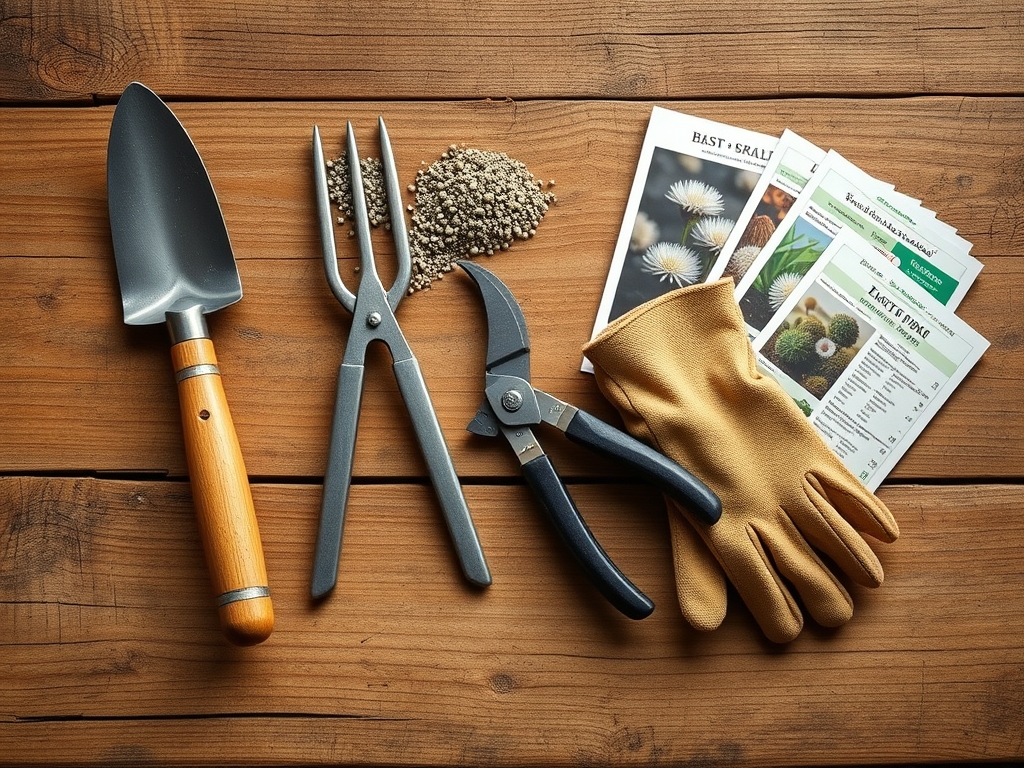
Use a hori-hori knife to extract any opportunistic weeds that penetrate the gravel layer; ensure you remove the entire taproot to prevent regrowth. Prune dead or senescent tissue using bypass pruners sterilized with 70 percent isopropyl alcohol to prevent the spread of systemic pathogens. In the autumn, use a leaf blower on a low setting to remove organic debris from the gravel; if left to decompose, this debris creates a "humus" layer that allows weed seeds to germinate on top of the stones.
The Yield:
For those growing desert edibles like Opuntia (Prickly Pear) or Chilopsis (Desert Willow) for medicinal seeds, timing is everything. Harvest Opuntia fruit when the color shifts to a deep magenta and the Brix level (sugar content) reaches its peak. Use tongs to avoid glochids and place the fruit in a cool, shaded environment immediately. For maximum "day-one" freshness, harvest in the pre-dawn hours when the plant is at maximum turgidity. This ensures the fruit tissues are hydrated and less prone to bruising during transport.
FAQ:
Which gravel is best for high-heat areas?
Quartzite or light-colored Decomposed Granite is superior. These materials have a high albedo effect, reflecting solar radiation away from the root zone, which prevents the soil from "baking" and damaging delicate feeder roots during peak summer months.
Can I use weed fabric under the gravel?
Avoid plastic liners. Use a heavy-duty landscape fabric that is permeable to air and water. Non-permeable barriers trap CO2 in the soil and prevent oxygen from reaching the rhizosphere, leading to root suffocation and anaerobic fungal growth.
How do I calculate how much gravel I need?
Multiply the square footage by the desired depth in feet. For example, 100 square feet at 3 inches (0.25 feet) deep requires 25 cubic feet of material. Always order 10 percent extra to account for settling into the soil.
Does gravel change the soil pH over time?
Yes. Limestone and marble aggregates will slowly leach calcium carbonate into the soil, raising the pH. If you are growing acid-loving desert plants, stick to basalt, granite, or river rock, which are chemically inert and will not alter soil chemistry.