7 Simple Steps to Plant Yucca Trees
The sharp, fibrous edge of a Yucca elephantipes leaf provides a tactile lesson in structural integrity; its rigid turgor pressure is maintained by a specialized vascular system designed for water retention. Mastering the steps to plant yucca trees requires more than a casual interest in succulents. It demands an understanding of soil physics and the specific physiological requirements of the Asparagaceae family. Success begins with the smell of dry, mineral-heavy substrate and the sight of thick, fleshy rhizomes that store carbohydrates for periods of extreme drought.
Yucca trees are not merely ornamental additions to a landscape. They are architectural specimens that thrive on neglect once established, provided the initial installation respects their biological constraints. A healthy specimen exhibits deep green foliage and a firm trunk, indicating a robust hydraulic system within the plant's xylem. To achieve this, the gardener must synchronize the planting process with the plant's metabolic cycles. This guide provides the technical framework necessary to transition a container-grown yucca into the permanent rhizosphere of your garden, ensuring long-term structural stability and metabolic health.
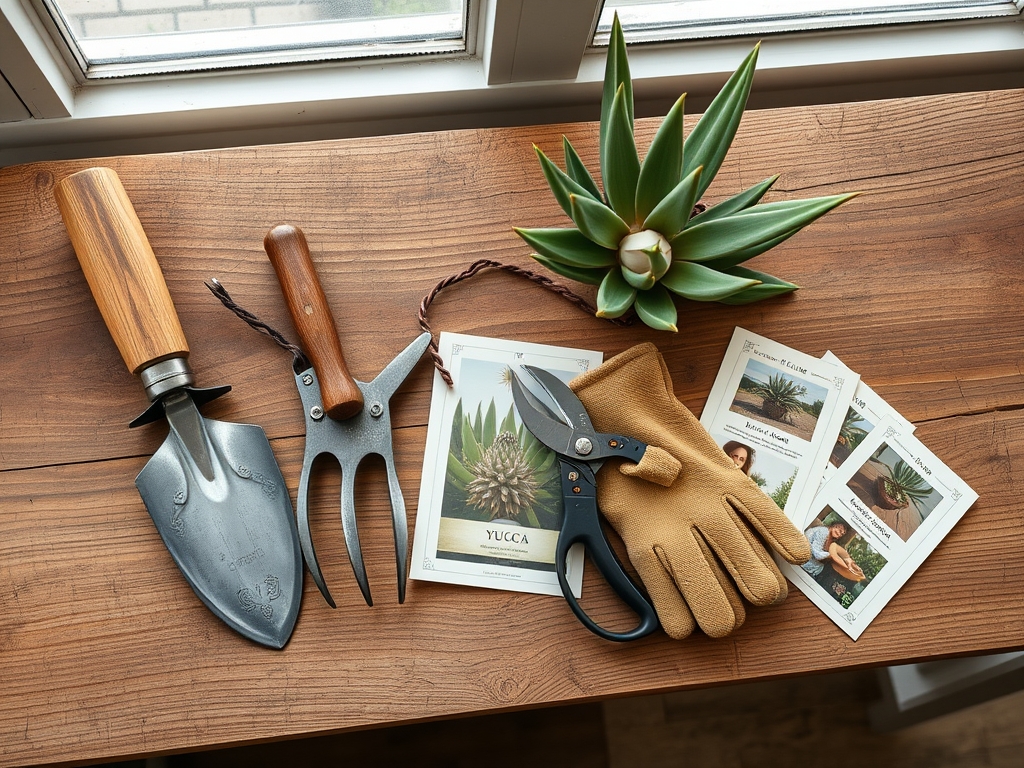
Materials:
Substrate composition is the primary determinant of yucca survival. These plants require a pH range between 5.5 and 7.5, though they prefer a slightly alkaline environment in many cases. The ideal substrate is a friable loam mixed with coarse inorganic matter to facilitate rapid drainage.
- Substrate Components: Mix 40 percent coarse sand or perlite, 40 percent native soil, and 20 percent organic compost. This ratio ensures a low Cation Exchange Capacity (CEC), preventing the salt buildup that leads to leaf tip necrosis.
- Nutrient Profile: Use a low-nitrogen fertilizer with an NPK ratio of 5-10-10. Excessive nitrogen triggers rapid, weak vegetative growth that is susceptible to fungal pathogens and structural failure.
- Drainage Media: Ensure you have crushed granite or expanded shale to line the base of the planting hole if the native soil contains high clay content.
Timing:
Yucca trees should be planted during the window of active root growth, typically in USDA Hardiness Zones 7 through 11. The optimal time is late spring or early summer, when soil temperatures consistently reach 65 degrees Fahrenheit (18 degrees Celsius). This warmth stimulates the metabolic enzymes necessary for root elongation.
The "Biological Clock" of the yucca is governed by the photoperiod. Planting during the transition from late spring to early summer allows the plant to utilize maximum solar radiation for photosynthesis before it enters the slower metabolic phase of winter dormancy. Avoid planting within 60 days of the first expected frost to prevent cold-induced shock to the newly developing root hairs.
Phases:
Sowing and Propagation
While most gardeners purchase established trees, starting from seed or offsets is common. Seeds require a 24-hour soak in room temperature water to break physical dormancy. Sow seeds 0.25 inches deep in a sterile seed-starting mix. Maintain a constant temperature of 70 to 75 degrees Fahrenheit.
Pro-Tip: Utilize auxin-based rooting hormones when planting offsets. This chemical signal suppresses the plant's tendency to focus on apical growth, instead redirecting energy to the basal meristem to initiate adventitious root formation.
Transplanting
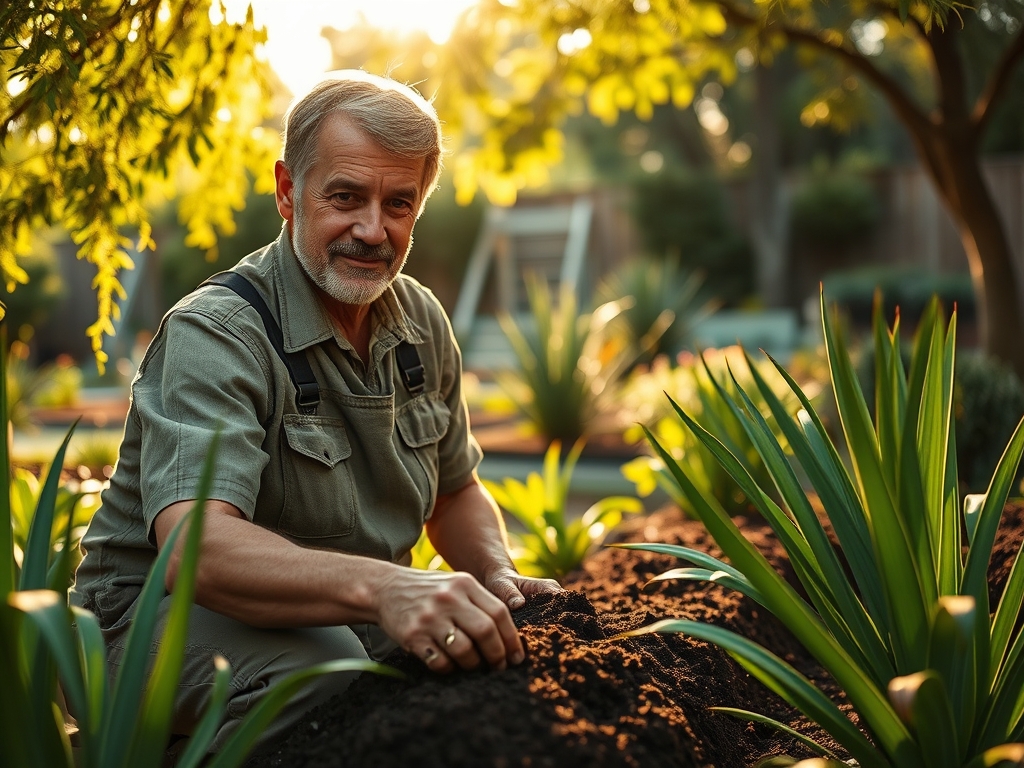
Excavate a hole two times the width of the root ball but no deeper than the original container. Placing a yucca too deep in the soil column leads to stem rot at the crown. Gently loosen the outer roots with a hori-hori knife to break any circular growth patterns established in the nursery pot.
Pro-Tip: Inoculate the planting hole with endomycorrhizal fungi. This symbiotic relationship expands the surface area of the root system, significantly increasing the uptake of phosphorus and micronutrients in poor soils.
Establishing
Backfill the hole with the prepared soil mix, tamping down firmly to eliminate air pockets. Air pockets around the roots can cause localized desiccation, leading to root dieback. Provide an initial deep watering of 3 to 5 gallons to settle the soil around the rhizome.
Pro-Tip: Use phototropism to your advantage by marking the side of the trunk facing north in the nursery. Align the plant the same way in the ground to prevent the "sunburn" of sensitive tissues that were previously shaded.
The Clinic:
Physiological disorders in yucca often manifest through changes in leaf color and texture. Monitoring these signals is critical for intervention.
- Symptom: Soft, blackened base of the trunk.
- Diagnosis: Crown rot caused by Phytophthora or Pythium fungi.
- Solution: Immediately reduce irrigation and improve soil porosity. Apply a copper-based fungicide to the affected area.
- Symptom: Yellowing of lower leaves (Chlorosis).
- Diagnosis: Nitrogen deficiency or overwatering.
- Fix-It: Check soil moisture with a soil moisture meter. If the soil is dry, apply a balanced liquid fertilizer at half strength.
- Symptom: Brown, crispy leaf tips.
- Diagnosis: Fluoride toxicity or salt accumulation in the rhizosphere.
- Fix-It: Flush the soil with 2 inches of rainwater or distilled water to leach accumulated salts away from the root zone.
Maintenance:
Post-establishment care requires precision. During the first growing season, provide 1.5 inches of water per week delivered at the drip line. Once the plant has survived its first winter, reduce irrigation to once every 14 to 21 days during the heat of summer.
Use bypass pruners to remove spent flower stalks and senescent (dead) leaves. Always cut at a 45-degree angle away from the trunk to prevent water from pooling on the wound, which can invite bacterial infection. Monitor the soil every spring; if the soil has compacted, use a garden fork to gently aerate the area around the drip line without disturbing the primary root structure.
The Yield:
For varieties like Yucca filamentosa, the flowers are the primary yield. Harvest the panicles when the lower third of the blossoms have opened. Use a sharp knife to cut the stalk at the base. To maintain "day-one" freshness, plunge the cut end into 110-degree Fahrenheit water immediately. This heat treatment breaks air bubbles in the xylem, allowing for better water uptake.
FAQ:
How much sun do yucca trees need?
Yucca trees require a minimum of six to eight hours of direct solar radiation daily. Insufficient light leads to etiolation, where the plant becomes leggy and the structural integrity of the trunk is compromised.
What is the best soil for yucca?
A well-draining, mineral-heavy substrate with a pH of 5.5 to 7.5 is ideal. Use a mix of 40 percent sand, 40 percent native soil, and 20 percent compost to ensure proper drainage and aeration.
How often should I water a new yucca?
Water a newly transplanted yucca with 1.5 inches of water weekly at the drip line for the first three months. Once established, the plant is highly drought-tolerant and requires minimal supplemental irrigation.
Why are my yucca leaves turning yellow?
Yellowing, or chlorosis, usually indicates overwatering or poor drainage, leading to root hypoxia. Ensure the soil is dry to a depth of 3 inches before applying additional water to the rhizosphere.