5 Detailed Ways How to Build a Koi Pond
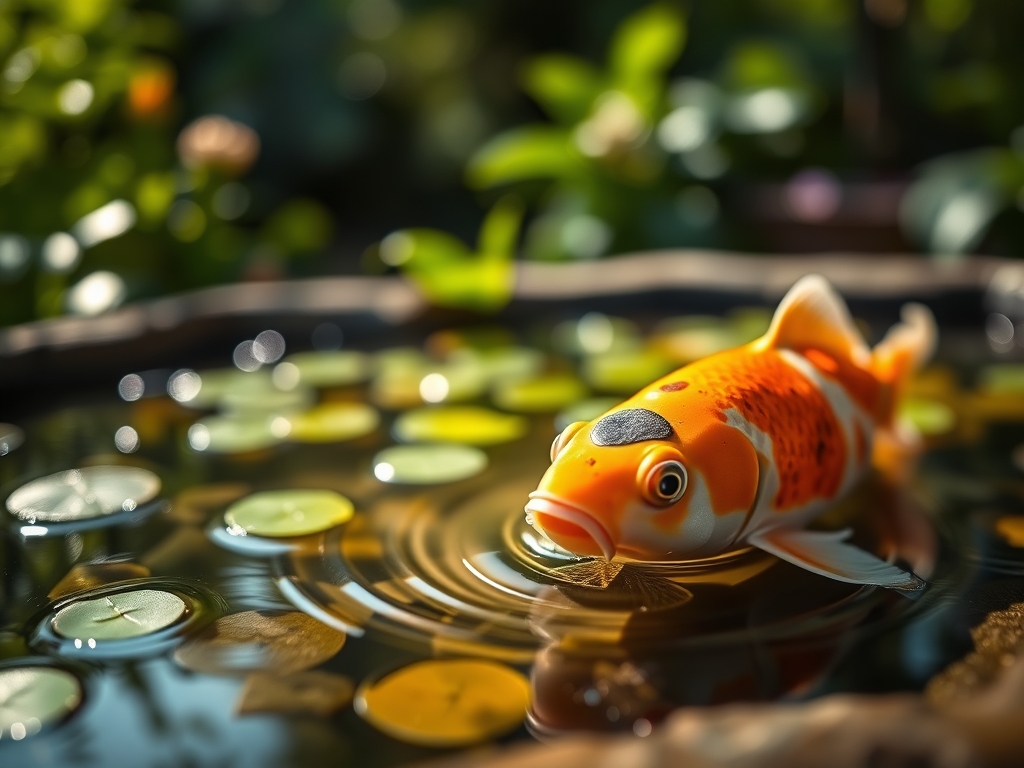
The smell of damp, anaerobic mud and the gritty texture of excavated clay mark the beginning of a serious aquatic installation. Learning how to build a koi pond requires more than a shovel; it demands an understanding of hydraulic pressure and biological load. A successful pond functions as a closed-loop nitrogen cycle where water volume, surface area, and gas exchange must remain in a delicate equilibrium. To sustain Cyprinus carpio, the system must maintain a minimum depth of four feet to prevent predation and provide thermal stability during winter dormancy.
Materials:
Construction begins with the substrate surrounding the basin. The ideal surrounding soil is a **friable loam** with a Cation Exchange Capacity (CEC) of **15 to 25 milliequivalents per 100 grams**. This allows for stable plantings around the perimeter. For marginal aquatic plants, use a planting medium with a **pH of 6.5 to 7.5**. Avoid standard potting soils containing perlite or vermiculite as these will float and disrupt the filtration system. Instead, utilize a heavy calcined clay or a mixture of **70 percent mineral soil and 30 percent fine grit**.
If integrating terrestrial landscaping at the pond edge, manage the Nitrogen-Phosphorus-Potassium (NPK) ratio strictly. Use a slow-release 5-10-5 fertilizer to prevent nitrogen runoff into the water column. Excess nitrogen (N) triggers algal blooms (eutrophication), which depletes dissolved oxygen levels. The physical structure of the basin requires a 45-mil EPDM liner or reinforced concrete with a non-toxic sealant to withstand the lateral pressure of approximately 8.34 pounds per gallon of water.
Timing:
In Hardiness Zones 4 through 7, excavation must occur after the final spring frost to ensure soil elasticity. Digging in frozen or waterlogged soil leads to structural compaction and sidewall collapse. The biological clock of the pond begins when water temperatures consistently reach 55 degrees Fahrenheit. At this thermal threshold, nitrifying bacteria (Nitrosomonas and Nitrobacter) transition from a state of senescence to active colonization of the filter media. This "cycling" phase typically requires four to six weeks before the system can support a full fish load without a lethal spike in ammonia levels.
Phases:
Sowing the Perimeter
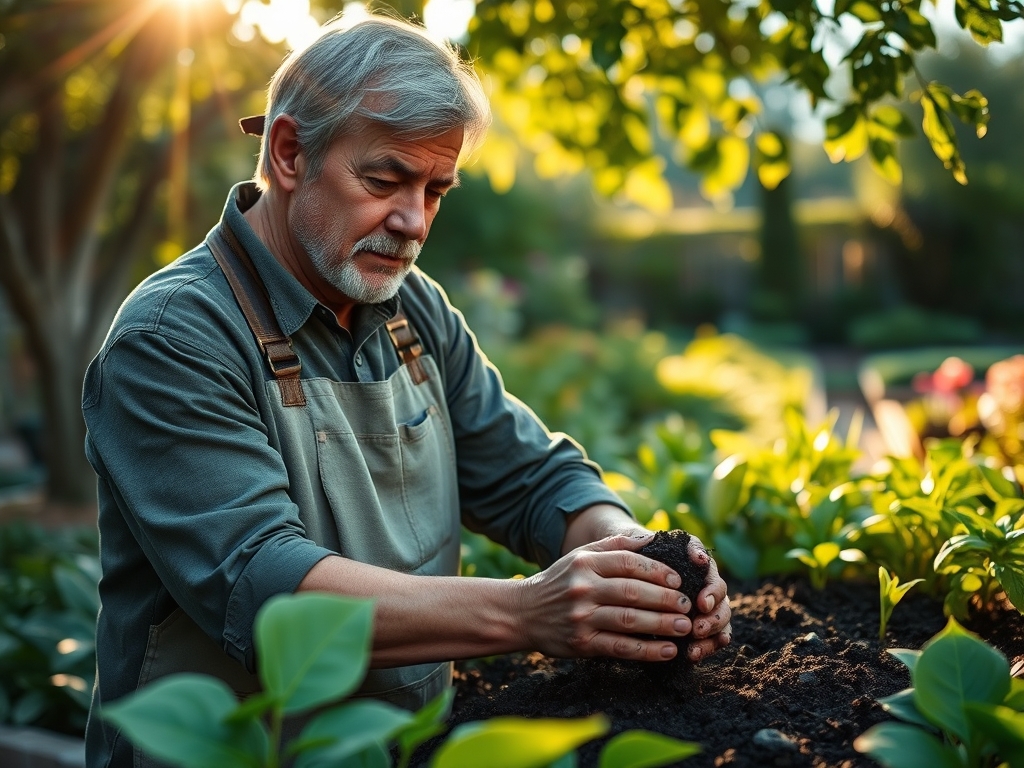
Establish a riparian zone using native sedges or rushes. These plants should be installed in the "shelf" areas of the pond, typically at depths of 6 to 12 inches. When learning how to build a koi pond, the integration of these plants is vital for nutrient uptake.
Pro-Tip: Utilize mycorrhizal inoculants during planting. This symbiotic relationship between fungi and roots increases the surface area for nutrient absorption, allowing plants to strip excess phosphates from the water more efficiently.
Transplanting Aquatic Flora
Introduce floating-leaved plants like Nymphaea (water lilies) once the water temperature stabilizes at 65 degrees Fahrenheit. Place the rhizome at a 45-degree angle in a heavy mesh pot. Ensure the crown is not buried too deep, as this can lead to anaerobic rot.
Pro-Tip: Maintain auxin suppression by removing spent blooms and yellowing leaves at the base. This prevents the plant from diverting energy into seed production, focusing instead on foliar turgor and root development.
Establishing the Bio-Filter
The final phase involves the colonization of the biological filter. This requires a constant flow rate that turns over the entire pond volume every 60 to 90 minutes. Use a high-surface-area media like K1 or ceramic bio-rings to provide a substrate for bacterial biofilm.
Pro-Tip: Avoid UV clarifier usage during the first 21 days. High-intensity ultraviolet light can disrupt the initial phototropic response of beneficial bacteria as they attempt to anchor to the filter substrate.
The Clinic:
Physiological disorders in the pond environment often manifest in the vegetation before the fish show distress.
-
Symptom: Yellowing of older leaves with green veins (Interveinal Chlorosis).
-
Solution: This indicates a Magnesium deficiency. Supplement with aquatic-safe magnesium sulfate at a rate of 1 tablespoon per 100 gallons.
-
Symptom: Stunted growth and dark purple tint on foliage.
-
Solution: This is a classic Phosphorus deficiency. Check the water temperature; if it is below 55 degrees Fahrenheit, the plant cannot metabolize P efficiently. If the water is warm, add a targeted aquatic P-booster.
-
Symptom: Rapid tissue decay or "melting" of new leaves.
-
Solution: Often caused by a sudden pH swing. Test the carbonate hardness (KH). A KH below 100 ppm lacks the buffering capacity to stabilize pH levels during the nocturnal respiratory cycle.
Fix-It for Nitrogen Chlorosis: If all foliage turns pale lime green, the nitrogen levels are too low for the plant load. While koi waste provides N, a new pond may require a supplemental low-dose liquid nitrate to support vegetative growth until the fish mature.
Maintenance:
Precision maintenance is the difference between a clear system and a stagnant pit. Use a soil moisture meter on the surrounding berms to ensure they receive exactly 1.5 inches of water per week at the drip line of ornamental shrubs. This prevents soil shrinkage which can shift the pond liner.
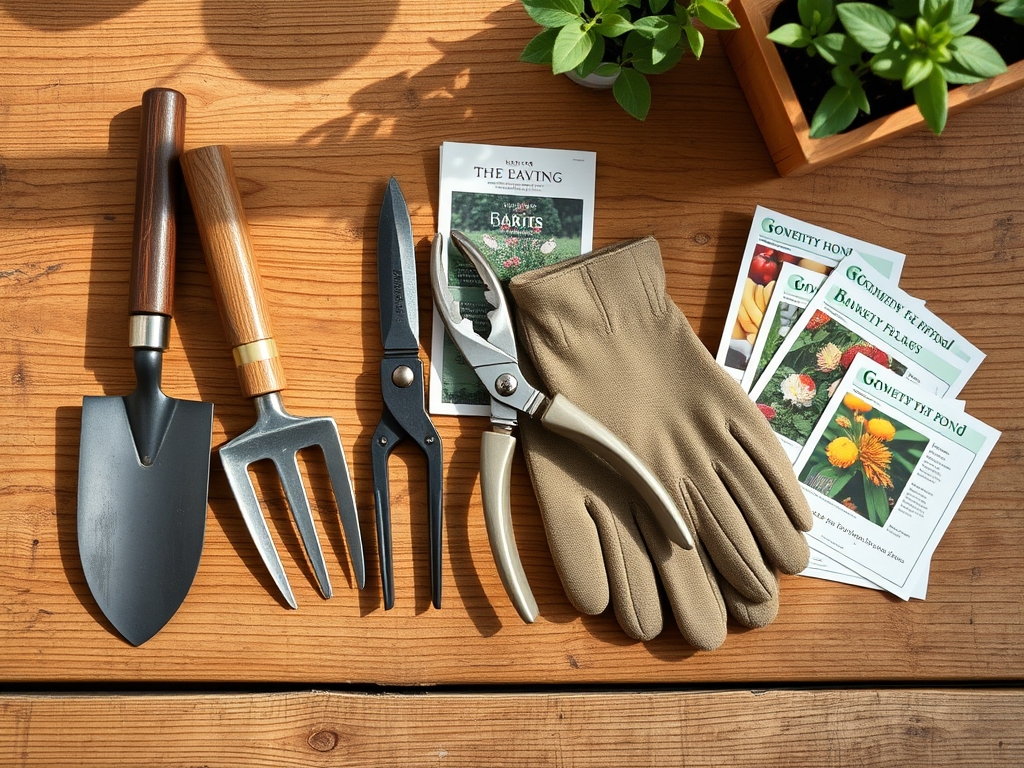
Employ a hori-hori knife to divide overgrown marginal plants every two years; this prevents the root mats from becoming pot-bound and cracking containers. Use bypass pruners for clean vascular cuts on lilies to prevent pathogens from entering the rhizome. Monitor the water's dissolved oxygen (DO) levels; they should never drop below 6 mg/L. If fish are gasping at the surface, increase aeration immediately to counteract the loss of turgor in the water's oxygen carrying capacity.
The Yield:
While a koi pond is not a traditional "harvest" crop, the "yield" is measured in biomass and water clarity. Prune aquatic plants when they cover more than 60 percent of the surface area. This ensures adequate gas exchange at the air-water interface. When removing excess plants, handle them with care to avoid bruising the stems. Place harvested clippings in a compost pile immediately; their high moisture content and nutrient density make them an excellent nitrogen source for terrestrial garden beds.
FAQ:
How deep should a koi pond be?
A koi pond must be at least 4 feet deep. This depth protects fish from predators like herons and provides a thermal buffer against extreme heat and freezing surface ice, ensuring stable dissolved oxygen levels year-round.
What is the best liner for a pond?
Use a 45-mil EPDM rubber liner. It is highly flexible, UV-resistant, and non-toxic to aquatic life. Unlike PVC, EPDM remains pliable in temperatures as low as minus 40 degrees Fahrenheit, preventing structural cracks and leaks.
How do I stop green pond water?
Install a UV clarifier and increase the biological filter capacity. Green water is caused by single-celled algae feeding on excess nitrates. High-intensity UV light flocculates the algae, allowing the mechanical filter to remove the cellular debris from the system.
Can I use tap water for my pond?
Yes, but you must use a dechlorinator. Tap water contains chlorine or chloramines that are lethal to fish and beneficial bacteria. Treat the water during the initial fill and all subsequent water changes to protect the pond's rhizosphere.