9 Striking Ways How to Design a Desert Oasis
Crushed granite underfoot releases a sharp, metallic scent when the first monsoon rains hit the parched earth. A successful xeriscape relies on maintaining high turgor pressure within succulent tissues while the surrounding environment remains arid. Learning how to design a desert oasis requires a shift from aesthetic decoration to rigorous environmental engineering. You are not merely planting; you are managing a closed-loop hydraulic system where every drop of moisture must be accounted for through transpiration rates and soil water retention.
Successful desert landscapes thrive on the edge of scarcity. The goal is to create a microclimate where the ambient temperature is reduced by 10 to 15 degrees Fahrenheit through strategic shading and evapotranspiration. This involves calculating the solar azimuth to position specimen plants where they receive morning light but are shielded from the 4:00 PM thermal spike. By integrating architectural hardscaping with drought-adapted flora, you establish a resilient rhizosphere that withstands triple-digit heat and low atmospheric humidity.
Materials:

The foundation of a desert oasis is a well-draining, **friable loam** with a high mineral content and low organic matter. Most desert species require a soil pH between **6.0 and 7.5**. If the pH exceeds 8.0, iron and phosphorus become chemically locked, leading to stunted growth.
For the initial establishment phase, use a low-nitrogen fertilizer with an NPK ratio of 5-10-10. Excessive nitrogen triggers rapid, soft growth that is highly susceptible to desiccation and pest colonization. A high phosphorus ratio encourages robust root architecture, which is critical for long-term survival.
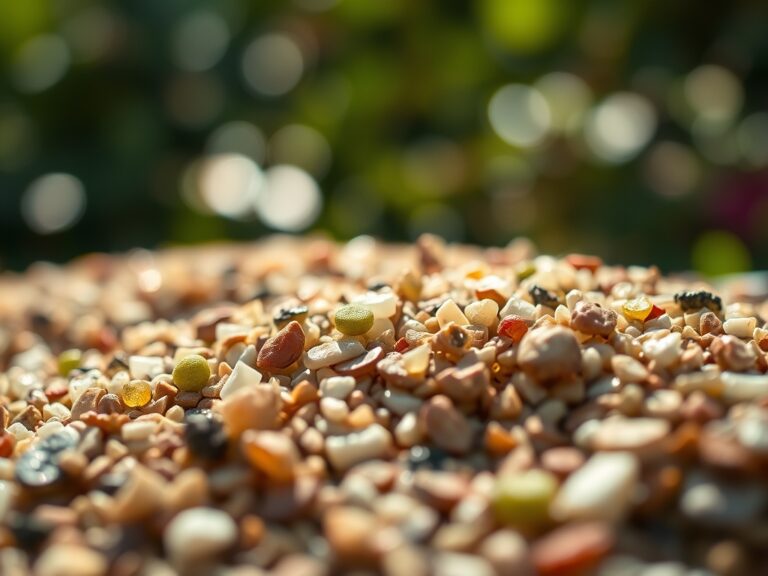
The substrate must have a Cation Exchange Capacity (CEC) that allows for slow nutrient release. Incorporate decomposed granite (DG) and coarse river sand to ensure a percolation rate of at least 2 inches per hour. Avoid heavy clays that suffocate roots during rare heavy rain events. Test your soil using a digital meter to ensure the electrical conductivity (EC) remains below 2.0 dS/m to prevent salt toxicity.
Timing:
Desert planting windows are narrow and dictated by the frost-free period and the onset of extreme heat. In USDA Hardiness Zones 8 through 11, the optimal planting window is from late September to early November. This allows the root system to establish during the cool season when the plant is in a vegetative state but not yet dormant.
The "Biological Clock" of desert perennials is triggered by the photoperiod and soil temperature. As soil temperatures rise above 65 degrees Fahrenheit in the spring, plants transition from the vegetative stage to the reproductive stage. Flowering consumes significant metabolic energy; therefore, any major structural pruning or transplanting must be completed before the plant initiates bud formation. Avoid planting during the summer solstice when the high UV index can cause irreversible cellular damage to non-acclimated leaf cuticles.
Phases:
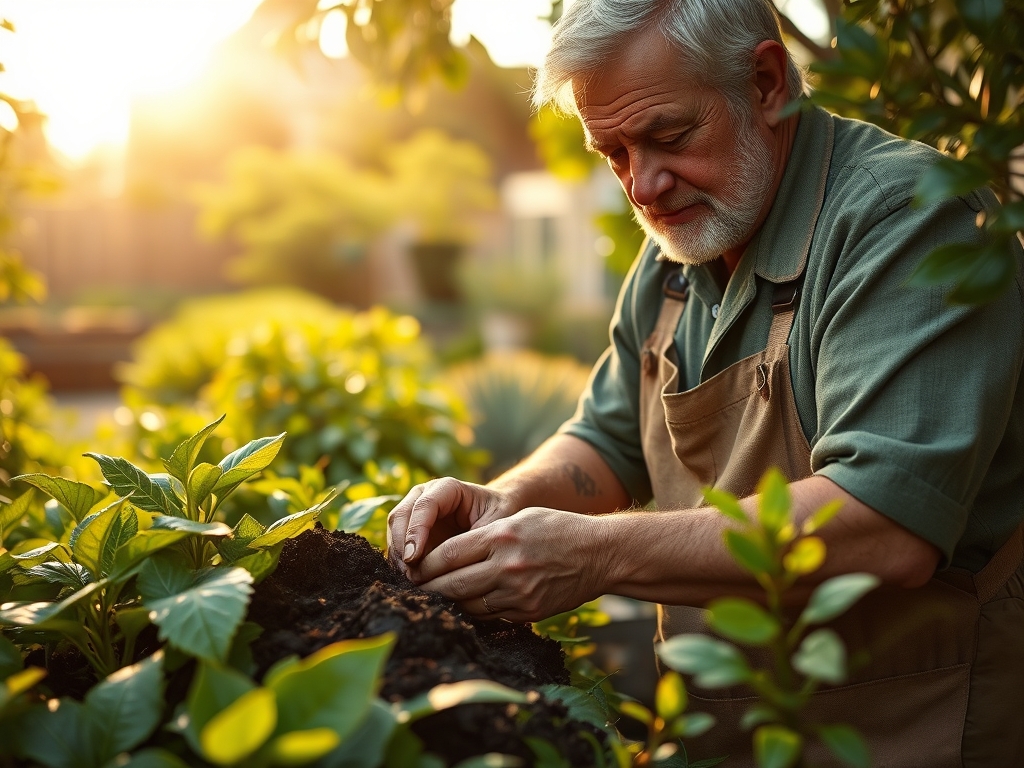
Sowing and Seed Prep
When starting desert annuals or grasses from seed, scarification is often necessary to break the tough outer coat. Soak seeds in room temperature water for 12 to 24 hours to simulate a flash flood event. Sow seeds at a depth of twice their diameter in a seed-starting mix with a pH of 6.5.
Pro-Tip: Use a light dusting of cinnamon or a copper-based fungicide to prevent "damping off." This is caused by fungal pathogens that thrive in the brief window of moisture required for germination.
Transplanting Specimen Plants
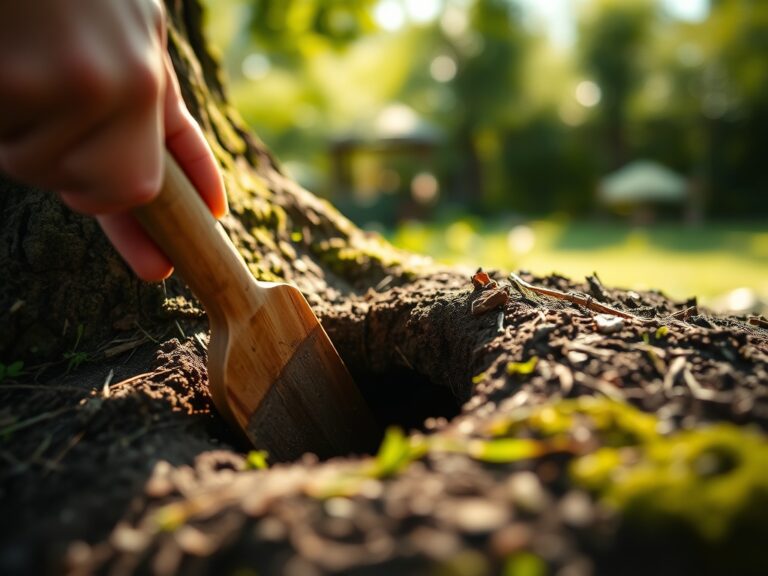
Dig a hole twice as wide as the root ball but no deeper. The flare of the trunk must remain 0.5 inches above the final soil line to prevent crown rot. Backfill with native soil rather than highly amended potting mix to prevent the "container effect," where roots refuse to leave the nutrient-rich pocket and eventually circle and strangle the plant.
Pro-Tip: Apply a mycorrhizal inoculant to the root zone during transplanting. This establishes a mycorrhizal symbiosis where fungal hyphae extend the root system's reach, increasing the uptake of water and phosphorus by up to 40 percent.
Establishing and Hardening
During the first 90 days, the plant requires consistent moisture to prevent wilting. Gradually increase the interval between watering sessions to force the roots to grow deeper into the soil profile in search of the water table.
Pro-Tip: Maintain apical dominance in young trees by avoiding heavy pruning of the central leader. This manages auxin suppression, ensuring the plant directs energy toward vertical growth and structural integrity rather than weak lateral suckers.
The Clinic:
Physiological disorders in the desert are often mistaken for disease when they are actually environmental stressors.
- Symptom: Interveinal chlorosis (yellowing leaves with green veins).
Solution: This indicates an iron deficiency, often caused by high alkalinity. Apply chelated iron at a rate of 1 ounce per 10 square feet to lower the localized pH and restore chlorophyll production. - Symptom: Sunscald (bleached, papery patches on the south-facing side of stems).
Solution: Apply a diluted white interior latex paint (50/50 water mix) to the trunks of young trees to reflect UV radiation and prevent cambium death. - Symptom: Marginal leaf burn (browning at the tips and edges).
Solution: This is typically a salt accumulation issue. Perform a "leaching irrigation" by applying 3 to 4 inches of water in a single session to flush accumulated salts below the root zone. - Symptom: Leaf drop or premature senescence.
Solution: Check for Nitrogen chlorosis. Apply a slow-release 10-10-10 fertilizer at half strength to boost vegetative vigor without overstimulating the plant.
Maintenance:
Precision is mandatory for desert survival. Use a soil moisture meter to check the top 6 inches of soil before irrigation. Established desert trees require 1.5 inches of water every two weeks during the peak of summer, delivered via a drip system at the drip line.
Keep a hori-hori knife sharpened for weeding and minor root pruning. For structural maintenance, use bypass pruners to make clean cuts that minimize the surface area of the wound, reducing the risk of desiccation. Never remove more than 25 percent of the canopy in a single season, as this reduces the plant's ability to photosynthesize and cool itself through transpiration. Apply a 3-inch layer of inorganic mulch, such as river rock or crushed brick, to suppress weed growth and reduce soil evaporation rates.
The Yield:
If your oasis includes edible desert species like Opuntia (Prickly Pear) or Mesquite, harvest timing is critical for sugar content and texture. Harvest Opuntia fruit when they reach a deep magenta color and the glochids (tiny spines) begin to fall off naturally.
Use long-handled tongs to pick the fruit and immediately place them in a cool, shaded environment. To maintain "day-one" freshness, store harvested desert fruits at 45 degrees Fahrenheit with a relative humidity of 85 percent. For Mesquite pods, harvest when they are brittle and "clink" like glass; any moisture in the pod during storage will lead to aflatoxin development.
FAQ:
How often should I water my desert plants?
New transplants require water every 2 to 3 days. Once established after one year, shift to deep irrigation every 10 to 14 days during summer. Always check the soil moisture at a 4-inch depth before adding water.
What is the best soil for a desert garden?
Use a well-draining friable loam mixed with 40 percent decomposed granite. Ensure the pH is between 6.0 and 7.5. Avoid heavy organic composts that retain too much moisture and cause root rot in arid-adapted species.
Can I grow succulents in full desert sun?
Most succulents require 30 to 50 percent shade during the afternoon. While they are drought-tolerant, high UV indexes can cause cellular collapse. Position them on the east side of larger shrubs or use shade cloth during extreme heat.
Why are my cactus turning yellow?
Yellowing, or chlorosis, usually indicates iron deficiency caused by alkaline soil or overwatering. Reduce irrigation frequency and test the soil pH. If the pH is above 7.5, apply elemental sulfur or chelated iron to correct the imbalance.