5 Expert Ways How to Get Bushy Houseplant Tips
The smell of damp peat and the sharp, metallic scent of carbon steel bypass pruners define the workspace of a serious indoor horticulturalist. Achieving high turgor pressure in a leaf is not a matter of luck; it is a calculation of cellular hydration and nutrient density. If you want to master how to get bushy houseplant tips, you must move beyond casual watering and enter the realm of apical dominance manipulation. Success is measured by the lateral expansion of the canopy and the structural integrity of the stems.
A spindly plant is a biological failure to adapt to low light or improper nutrient cycling. By forcing the plant to redirect its energy from vertical height to horizontal branching, you create a dense, resilient specimen. This process requires a cold understanding of plant physiology, specifically how hormones move through the vascular system. Most indoor gardeners allow their plants to grow leggy out of a fear of cutting back, but the science of pruning is the only way to trigger dormant lateral buds. You are not just grooming; you are re-engineering the growth habit of the organism to thrive in a controlled environment.
Materials:
The foundation of a dense canopy begins in the rhizosphere. You must utilize a friable loam substrate that maintains a Cation Exchange Capacity (CEC) of 15 to 25 milliequivalents per 100 grams. This ensures the soil can hold and release essential nutrients to the root hairs. For most tropical houseplants, the ideal soil pH is 5.8 to 6.5, which optimizes the bioavailability of phosphorus and micronutrients.
For vegetative growth and lateral branching, use a fertilizer with an NPK ratio of 3-1-2. Nitrogen is the primary driver of leaf production, while phosphorus supports the energy transfer required for new bud development. Ensure your potting mix contains at least 20 percent perlite or pumice to prevent anaerobic conditions. Stagnant water at the root zone leads to root rot and systemic senescence. A high-quality substrate should feel gritty and crumble easily when squeezed, indicating sufficient aeration for gas exchange.
Timing:
Indoor plants are shielded from the harsh realities of Hardiness Zones, yet they remain tethered to the solar cycle. For those in Zones 5 through 8, the biological clock of a houseplant shifts significantly between March and September. This is the optimal window for aggressive pruning and shaping. As the photoperiod extends beyond 12 hours of light per day, the plant enters a high-metabolic vegetative state.
Pruning during the winter dormancy period, when light levels drop below 200 foot-candles, can stress the plant and lead to slow recovery. You must time your interventions to coincide with the surge of growth in early spring. This ensures that the plant has the caloric reserves to heal pruning wounds and push out new growth from the axillary buds. Monitor the transition from vegetative growth to reproductive stages; for foliage plants, you want to keep them in a perpetual vegetative state to maximize leaf density.
Phases:

Sowing and Propagation
Start with healthy genetic material. If you are propagating from cuttings, use a rooting hormone containing Indole-3-butyric acid (IBA). Place the cutting in a medium with a temperature of 70 to 75 degrees Fahrenheit. This heat accelerates cell division at the node, leading to faster root establishment.
Pro-Tip: Auxin suppression is the key to bushiness. Auxins are hormones produced in the apical meristem (the tip) that inhibit the growth of lower buds. By removing the tip, you stop the downward flow of auxins, allowing cytokinins to stimulate lateral bud growth.
Transplanting
When the root ball occupies 80 percent of the current container, it is time to up-size. Choose a pot only 2 inches wider than the current one. A pot that is too large leads to "perched water tables," where the bottom of the soil stays saturated while the top dries out. Ensure the new soil is pre-moistened to avoid hydrophobic pockets.
Pro-Tip: Mycorrhizal symbiosis is vital during transplanting. Adding beneficial fungi to the root zone increases the surface area for water absorption by up to 100 times, providing the hydraulic pressure needed to push out new lateral shoots.
Establishing and Shaping
Once the plant is established, begin directional pruning. Identify the nodes where you want new branches to form. Use a bypass pruner to make a clean 45-degree cut approximately 1/4 inch above a node. This precision prevents dieback and protects the dormant bud from fungal pathogens.
Pro-Tip: Phototropism can be used to your advantage. Rotate the plant 90 degrees every week. This ensures that light hits all sides of the stem equally, preventing the plant from leaning and encouraging even leaf distribution across the entire circumference.
The Clinic:
Physiological disorders often mimic pest damage but are rooted in environmental stress.
- Symptom: Interveinal Chlorosis. The leaves turn yellow while the veins remain green. This is a classic sign of Magnesium deficiency. Fix-It: Apply a solution of 1 tablespoon of Epsom salts per gallon of water to restore chlorophyll production.
- Symptom: Leaf Tip Burn. Brown, crispy edges on new growth. This indicates Salt accumulation from synthetic fertilizers or high fluoride levels in tap water. Fix-It: Flush the substrate with three times the pot's volume in distilled water.
- Symptom: Epinasty. Downward curling or twisting of leaves. This is often caused by Ethylene gas or extreme fluctuations in temperature. Fix-It: Move the plant away from drafty windows or ripening fruit and maintain a steady 65 to 75 degree environment.
- Symptom: Nitrogen Chlorosis. General paling of the entire plant, starting with older leaves. Fix-It: Increase the frequency of your 3-1-2 NPK applications during the active growing season.
Maintenance:
Consistency is the hallmark of a professional grower. Use a soil moisture meter to verify that the top 2 inches of soil are dry before adding more water. Most bushy houseplants require approximately 1 to 1.5 inches of water per week, delivered evenly across the soil surface to reach the drip line of the roots.
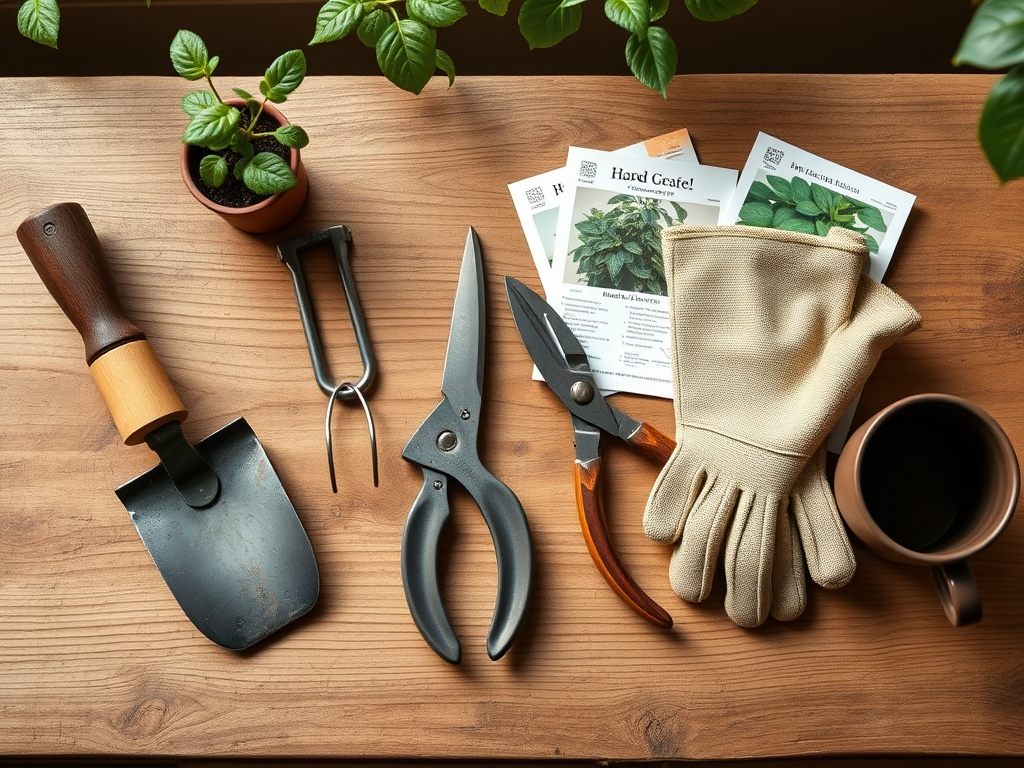
Keep your tools sterile. Clean your hori-hori knife and pruners with 70 percent isopropyl alcohol between every plant to prevent the spread of systemic pathogens. If you notice dust accumulation on the leaves, wipe them with a damp cloth; dust blocks the stomata and reduces the rate of photosynthesis by up to 30 percent, which directly impacts the plant's ability to produce new branches.
The Yield:
While most houseplants are grown for aesthetics, the "yield" in this context is the harvest of cuttings for propagation. When harvesting, select stems that have at least three nodes. Use a sharp blade to ensure the vascular tissue is not crushed. Place the cuttings in a high-humidity environment immediately to maintain turgor. For "day-one" freshness, keep the mother plant well-hydrated for 24 hours prior to taking any cuttings. This ensures the cells are fully turgid and have the energy stores necessary to survive the transition to a new root system.
FAQ:
Why is my houseplant growing tall but thin?
This is typically caused by low light levels, known as etiolation. The plant stretches toward a light source. To fix this, increase the light intensity and prune the apical meristem to stimulate lateral branching from the lower nodes.
How often should I prune for bushiness?
Prune during the active growing season, typically spring and summer. Remove the top growth every 4 to 6 inches of new height. This consistent pinching forces the plant to distribute energy to multiple lateral stems rather than one main leader.
Does fertilizer help a plant get bushier?
Yes, but only if the NPK ratio is correct. A high-nitrogen fertilizer (the first number in the ratio) promotes the vegetative growth necessary for a dense canopy. Without adequate nitrogen, the plant cannot produce the proteins required for new leaf tissue.
Can I make any plant bushy?
Most dicotyledonous plants with nodes can be trained. However, monocots like palms or certain lilies grow from a single point and cannot be forced to branch through pruning. Always identify the growth habit of your specific species before cutting.