10 Pro Tips How to Use Garden Twine Correctly
The smell of wet microbial activity rising from a friable loam signals the start of the primary growing season. When the turgor pressure in a young stem is at its peak, the risk of mechanical failure increases under the weight of developing fruit or high winds. Learning how to use garden twine correctly is not merely about organization; it is a structural intervention that manages plant architecture and optimizes light interception. Proper tension prevents the collapse of the vascular system while ensuring that the xylem and phloem remain unobstructed during rapid expansion.
Materials:
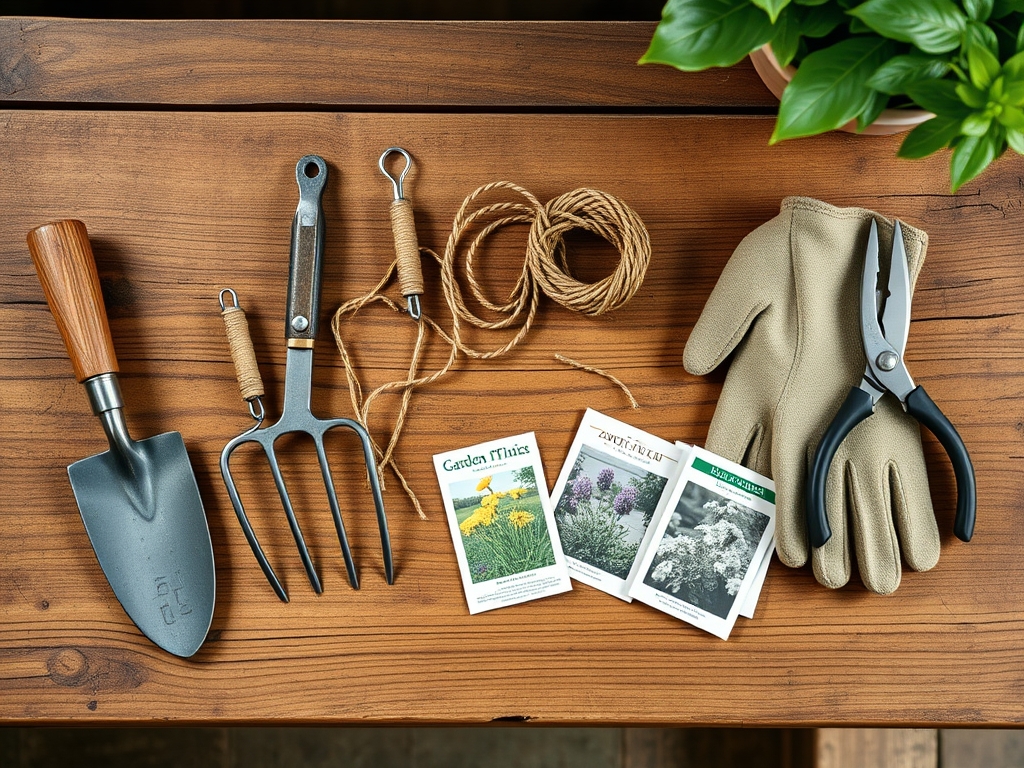
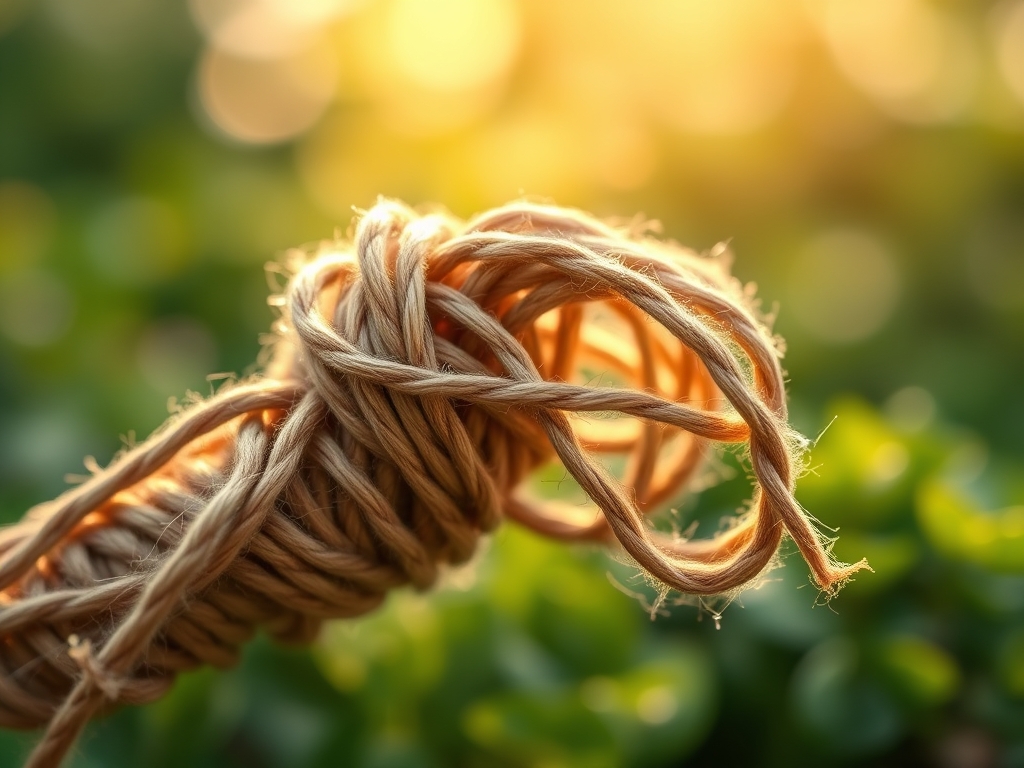
The choice of twine depends on the chemical composition of your substrate and the specific nutritional needs of the crop. For plants in a **pH range of 6.2 to 6.8**, natural jute or sisal is preferred because these fibers eventually decompose into the **rhizosphere**, contributing organic matter without altering the **Cation Exchange Capacity (CEC)** of the soil. If you are growing heavy feeders like *Solanum lycopersicum* (tomatoes) that require an **NPK ratio of 5-10-10** during fruit set, use a multi-ply biodegradable hemp twine. This material provides a tensile strength of approximately **20 to 50 pounds**, sufficient to support heavy clusters without cutting into the epidermal tissue. Synthetic polymers should be reserved for permanent structures where moisture retention in the fiber could encourage fungal pathogens like *Botrytis cinerea*.
Timing:
Successful structural support follows the Biological Clock of the plant, specifically the transition from the vegetative stage to the reproductive stage. In Hardiness Zones 5 through 7, the first application of twine typically occurs 14 to 21 days after the last frost date, once the soil temperature reaches a consistent 60 degrees Fahrenheit. You must intervene before the plant reaches 12 inches in height. Waiting until the plant is top-heavy leads to micro-fractures in the stem during the tying process. This timing aligns with the peak production of auxins at the apical meristem, ensuring the plant can still be trained toward the light source without breaking.
Phases:
Sowing and Alignment
During the initial sowing phase, twine serves as a guide for straight furrows, ensuring equal distribution of nutrients. Set your lines exactly 24 inches apart for brassicas to prevent root competition.
Pro-Tip: Use twine to create a grid that manages phototropism. By maintaining precise spacing, you ensure that each leaf receives a minimum of six hours of direct solar radiation, preventing the leggy growth associated with the shade avoidance response.
Transplanting and Initial Anchoring
When moving seedlings from the greenhouse to the field, use a loose figure-eight knot to anchor the main stem to a support stake. The loop around the plant must be at least twice the diameter of the current stem.
Pro-Tip: Leaving this gap accounts for secondary growth in the vascular cambium. If the twine is too tight, it restricts the flow of photosynthates, leading to a "girdling" effect that can kill the plant by starving the roots.
Establishing the Canopy
As the plant enters its rapid growth phase, vertical trellising becomes mandatory. Use the "Tomahooks" method or a simple overhead wire system. Wrap the twine clockwise around the stem as it grows.
Pro-Tip: Winding the twine in a consistent direction works with the plant's natural circumnutation. This minimizes mechanical stress on the plant's cell walls, allowing the plant to dedicate more energy to biomass production rather than structural repair.
The Clinic:
Physiological disorders often arise from improper support techniques or underlying soil imbalances.
- Symptom: Stem Girdling and Necrosis. This occurs when twine is tied with a fixed knot that does not expand. Solution: Immediately cut the twine using a hori-hori knife and replace it with a sliding loop.
- Symptom: Nitrogen Chlorosis. If leaves turn yellow while the plant is tied tightly, the twine may be compressing the phloem. Solution: Loosen all ties and apply a liquid fertilizer with an NPK of 10-5-5 to boost chlorophyll production.
- Symptom: Adventitious Rooting. If twine is too low and stays damp, it can trigger root growth on the stem. Solution: Elevate the first tie to at least 4 inches above the soil line to improve airflow and reduce humidity at the base.
Maintenance:
Precision maintenance requires the right tools and data. Use a soil moisture meter to ensure the area around the twine anchors remains at 60 percent field capacity. Apply exactly 1.5 inches of water per week at the drip line to prevent soil erosion around support stakes. Every two weeks, inspect the tension of your twine. Use bypass pruners to remove any lateral suckers that are pulling the twine out of alignment. If the twine shows signs of fraying due to UV degradation, replace the section immediately to prevent a catastrophic collapse of the canopy.
The Yield:
Harvesting from a well-twined system is more efficient and results in higher quality produce. For indeterminate varieties, harvest when the fruit reaches 90 percent color saturation. Use a sharp blade to cut the fruit away from the vine; never pull, as this puts undue stress on the twine network and can dislodge neighboring fruit. Post-harvest, keep the produce at 55 degrees Fahrenheit to maintain turgor and slow the process of senescence. Once the season ends, compost natural fibers to return carbon to the soil, improving the pore space for next year's crop.
FAQ:
What is the best knot for garden twine?
The figure-eight knot is the professional standard. It creates a buffer zone between the plant and the support, preventing friction burns and allowing for stem expansion without restricting the vascular flow of nutrients and water.
Can I reuse garden twine next year?
Natural fibers like jute or cotton should not be reused. They harbor pathogenic spores and bacteria from the previous season. Synthetic twine can be reused if soaked in a 10 percent bleach solution for 20 minutes to ensure sterilization.
How tight should garden twine be?
Twine should be taut enough to prevent sagging under a 5-pound load but never tight enough to "strangle" the plant. Always allow a 1-inch gap between the stem and the knot to accommodate lateral growth and secondary thickening.
When should I remove the twine?
Remove twine once the plant has reached senescence or after the final harvest. For perennials, remove ties before the winter dormancy period to prevent moisture from freezing against the bark, which can cause frost cracks and tissue death.