5 Strategic Ways How to Design a Backyard Orchard
Crushing a handful of friable loam reveals the metallic scent of geosmin and the presence of beneficial actinomycetes. A healthy leaf maintains high turgor pressure; it feels cool and rigid to the touch because the vascular system is fully hydrated. Understanding how to design a backyard orchard requires moving beyond aesthetic placement to focus on the physiological requirements of woody perennials. Success depends on calculating light interception and soil drainage before the first hole is dug.
Modern orchard design prioritizes high-density planting and dwarfing rootstocks to maximize yield per square foot. You must analyze the microclimate of your site, identifying frost pockets and wind corridors that can desiccate tender buds. A strategic layout ensures that every tree receives at least eight hours of direct solar radiation. Proper spacing prevents canopy overlap, which reduces airflow and increases the risk of fungal pathogens. By integrating scientific principles of pomology, you transform a simple yard into a high-output biological system.
Materials:
The foundation of any orchard is the soil chemical profile. Most deciduous fruit trees thrive in a soil pH range of 6.0 to 7.0. If the pH drops below 5.5, aluminum toxicity becomes a risk and phosphorus availability is sequestered. Conversely, a pH above 7.5 often leads to iron and manganese deficiencies.
Nutrient management should be based on precise NPK ratios. During the establishment phase, use a 10-10-10 balanced fertilizer to support both root development and vegetative growth. Once the tree reaches reproductive maturity, shift to a lower nitrogen ratio, such as 5-10-10, to prevent excessive leaf production at the expense of fruit set.
The physical substrate must be a friable loam with a high Cation Exchange Capacity (CEC). A CEC value above 15 milliequivalents per 100 grams (meq/100g) indicates the soil can effectively retain and exchange essential cations like calcium, magnesium, and potassium. If your soil is heavy clay, incorporate organic matter to improve macropore space; if it is sandy, add compost to increase water holding capacity.
Timing:
Orchard success is dictated by the USDA Hardiness Zones and the accumulation of chilling hours. Chilling hours are the total number of hours between 32 and 45 degrees Fahrenheit that a tree experiences during dormancy. If a cultivar requiring 800 hours is planted in a zone that only provides 400 hours, it will fail to break dormancy uniformly.
The "Biological Clock" of a fruit tree governs the transition from the vegetative stage to the reproductive stage. This transition is triggered by hormonal shifts, specifically the balance between gibberellins and abscisic acid. Planting should occur during the late dormant season, typically 6 to 8 weeks before the last predicted frost. This timing allows the root system to establish in cool soil before the metabolic demands of bud break and transpiration begin.
Phases:
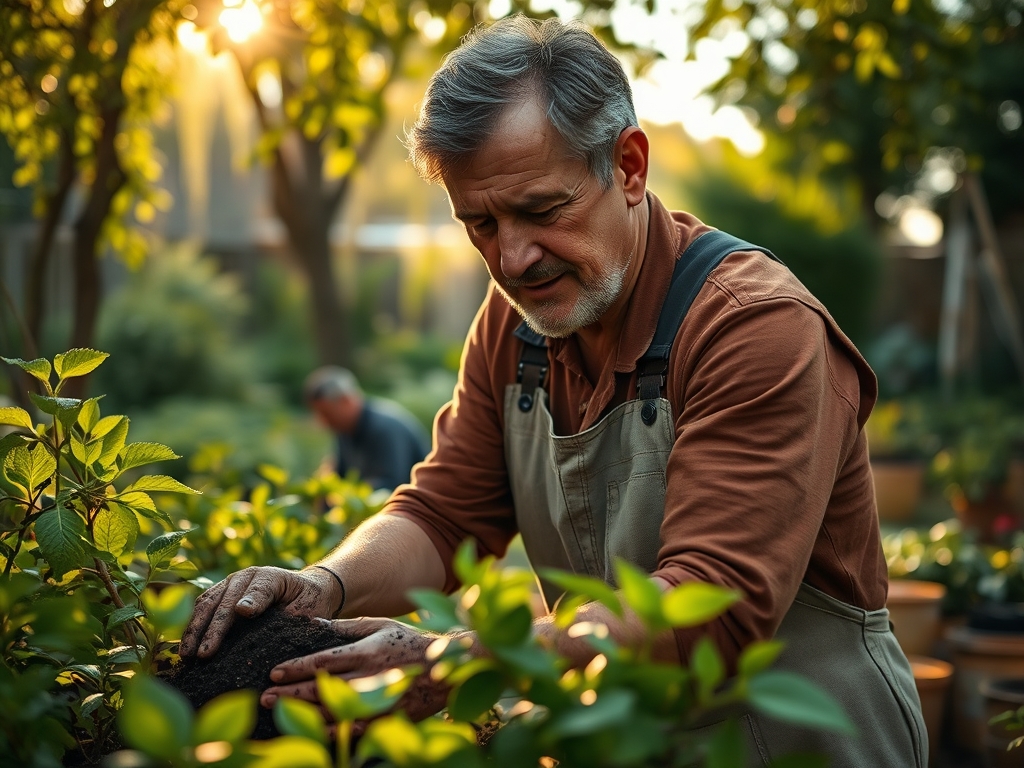
Sowing and Selection
While most backyard orchards utilize grafted saplings rather than seeds, the selection of rootstock is the most critical decision. The rootstock determines the final size of the tree, its disease resistance, and its ability to thrive in specific soil types. Choose M9 or G11 rootstocks for dwarfing apples to keep tree height under 8 feet.
Pro-Tip: Match the rootstock to your soil's drainage capacity. Biological Why: Rootstocks like Pyrus communis provide better anchorage and drought tolerance due to deeper taproot systems, whereas dwarfing stocks have shallower fibrous roots that require consistent irrigation to maintain turgor.
Transplanting
Dig a hole twice as wide as the root ball but no deeper. The graft union, the bump where the scion meets the rootstock, must remain 2 to 3 inches above the soil line. If the graft union is buried, the scion may grow its own roots, neutralizing the dwarfing characteristics of the rootstock.
Pro-Tip: Spread the roots outward in a radial pattern. Biological Why: This prevents "girdling roots" and encourages mycorrhizal symbiosis, where beneficial fungi extend the reach of the root system to improve phosphorus uptake.
Establishing and Training
During the first two years, focus on structural pruning. Use a central leader or open center system depending on the species. Peaches benefit from an open center to allow light into the middle of the tree, while apples typically follow a central leader shape.
Pro-Tip: Remove all fruit during the first growing season. Biological Why: This redirects the plant's energy from reproductive output to auxin-driven vegetative growth, ensuring a stronger scaffold for future heavy yields.
The Clinic:
Physiological Disorders
- Bitter Pit (Apples): Observed as small brown sunken spots on the skin. This is caused by a calcium deficiency in the fruit tissue, often exacerbated by fluctuating moisture levels. Fix-It: Apply a foliar calcium spray during fruit development.
- Sunscald: Vertical splits in the bark on the south side of the tree. This occurs when warm winter sun activates cells that then freeze at night. Fix-It: Paint the lower trunk with white latex paint to reflect solar radiation.
- Nitrogen Chlorosis: Older leaves turn pale yellow while veins remain slightly darker. This indicates a lack of chlorophyll production. Fix-It: Top-dress with high-nitrogen organic matter or a 21-0-0 ammonium sulfate fertilizer.
- Internal Cork: Dry, brown, corky areas inside the fruit. This is a symptom of Boron deficiency. Fix-It: Apply a dilute borax solution to the soil, but exercise caution as the margin between deficiency and toxicity is narrow.
Maintenance:
A productive orchard requires rigorous monitoring. Trees need approximately 1.5 inches of water per week during the growing season, delivered directly to the drip line where the active feeder roots reside. Use a soil moisture meter to verify that the top 12 inches of soil remain moist but not saturated.
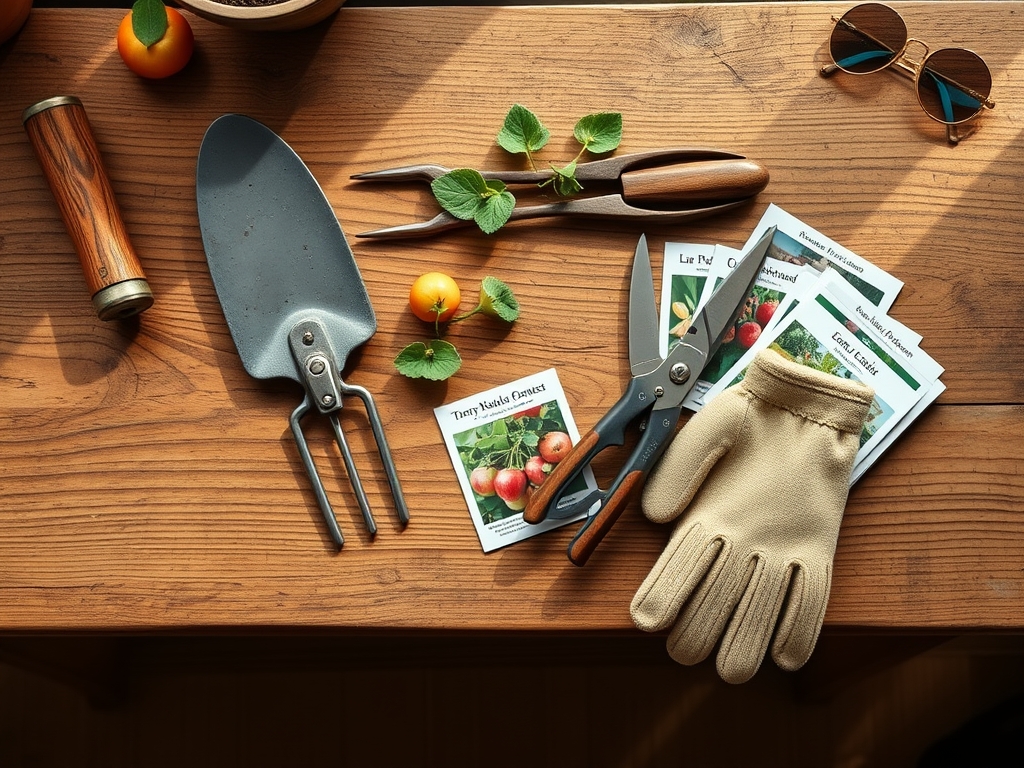
Pruning is an annual necessity. Use sharp bypass pruners for small twigs and a pruning saw for limbs over 1 inch in diameter. Always make "thinning cuts" back to a lateral branch or the trunk collar to promote rapid healing. After pruning, use a hori-hori knife to remove any weeds or suckers competing for nutrients at the base of the tree. Applying a 3-inch layer of wood chip mulch will suppress weeds and regulate soil temperature, but keep the mulch 4 inches away from the trunk to prevent crown rot.
The Yield:
Harvesting is the culmination of the orchard's annual cycle. For pome fruits like apples and pears, the "ground color" changes from green to yellow or white when ripe. Use the "tilt and twist" method; if the fruit detaches easily with the stem attached, it is physiologically mature.
Post-harvest handling is vital for longevity. Most fruit should be cooled immediately to 32 to 35 degrees Fahrenheit to slow the rate of senescence and respiration. This preserves the sugars and acids within the fruit, maintaining "day-one" crispness. Stone fruits like peaches should be harvested when they have a slight "give" near the stem but are still firm to prevent bruising during transport.
FAQ:
How much space do I need for a backyard orchard?
A high-density orchard using dwarfing rootstocks can fit in a 10-foot by 20-foot area. Space trees 4 to 8 feet apart depending on the training system and rootstock vigor to ensure adequate light penetration and airflow.
When is the best time to prune fruit trees?
Prune during the late dormant season, typically February or March. This timing allows you to see the tree's structure clearly and ensures that pruning wounds begin healing immediately as the sap begins to flow in spring.
Do I need two different trees for pollination?
Many cultivars are self-sterile and require a second variety that blooms at the same time. Check the pollination group of your chosen trees. Even self-fertile varieties often produce a significantly higher yield when cross-pollinated by a different variety.
How do I stop fruit from falling off early?
Early drop, or "June drop," is often a natural thinning process. However, excessive drop can be caused by water stress or poor pollination. Ensure consistent irrigation of 1.5 inches per week and encourage local pollinators to stabilize fruit set.