10 Pro Tips for Best Nursery Pot Sizes
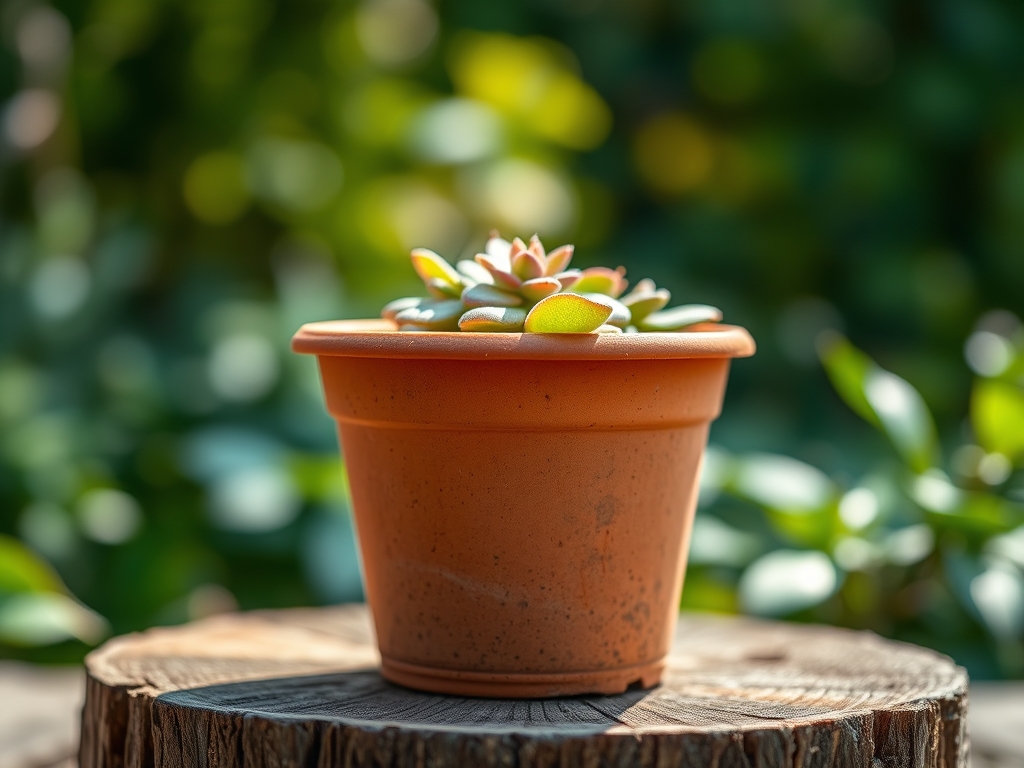
The scent of damp, decomposed pine bark and the cool humidity of a greenhouse floor signal a high-functioning nursery environment. When you grasp a leaf, the turgor pressure should feel firm; a sign that the vascular system is transporting water efficiently from the rhizosphere. Success in commercial or home horticulture begins with the volume of the root zone. Selecting the best nursery pot sizes is not a matter of convenience; it is a calculation of hydraulic conductivity and oxygen diffusion. A pot that is too large leads to perched water tables and anaerobic conditions. A pot that is too small triggers premature senescence and root girdling. You must match the container volume to the specific growth rate and transpiration demands of the species. For most woody perennials, this means transitioning from a 2.1-inch liner to a 1-gallon (3.8-liter) container once the root tips reach the sidewalls. Precision in container selection ensures that the cation exchange capacity (CEC) of your media remains stable, preventing the leaching of essential mobile nutrients like nitrogen and potassium.
Materials:
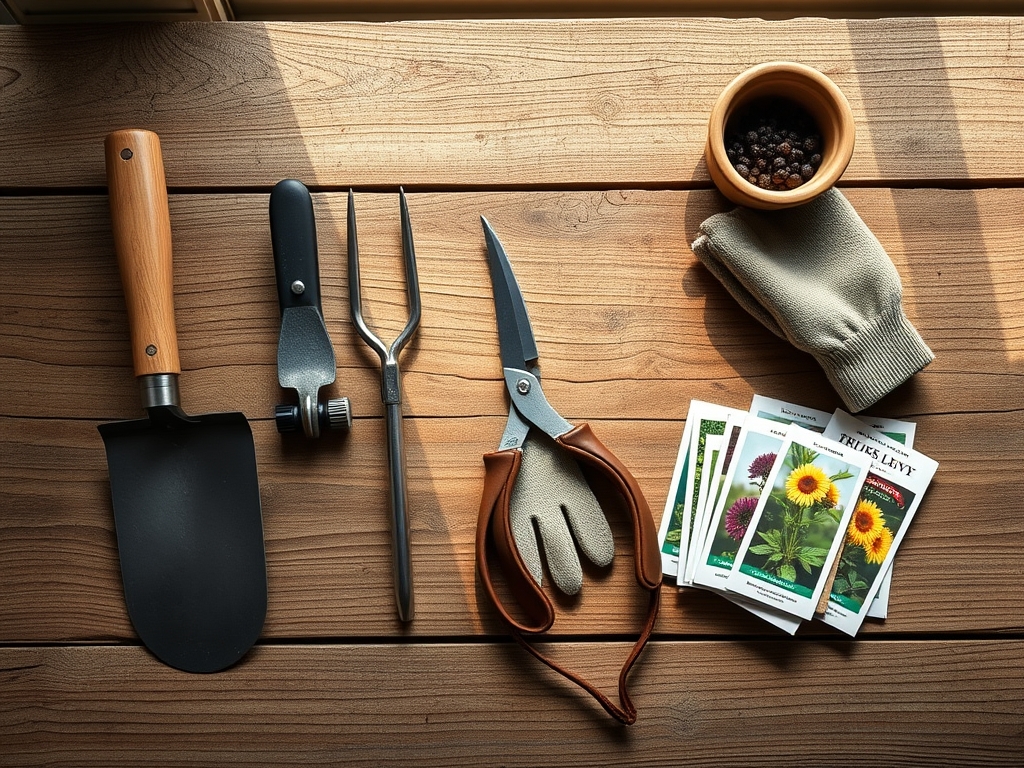
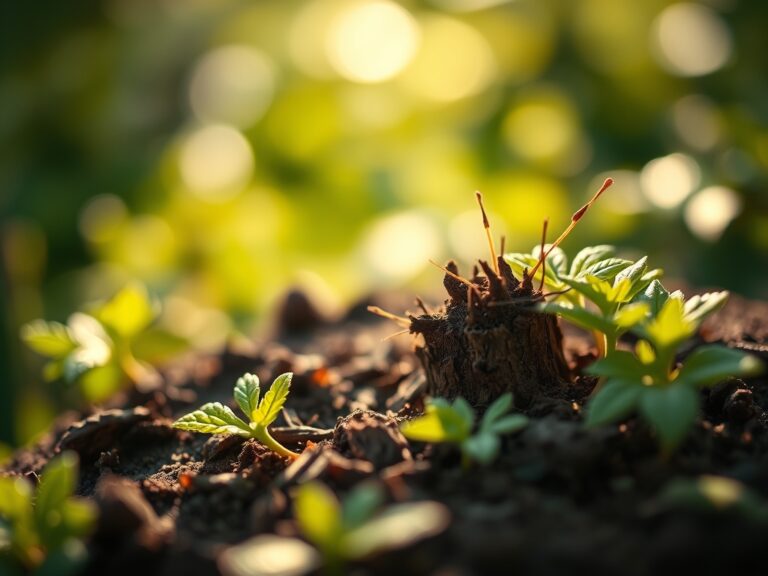
The substrate within your chosen nursery pot must be a **friable loam** or a high-porosity peat-perlite mix. For acid-loving species like *Ericaceae*, target a **pH of 4.5 to 5.5**. For general nursery stock, a **pH of 5.8 to 6.5** is optimal to ensure nutrient bioavailability. Your base fertilizer should follow a specific **NPK ratio of 3-1-2** for vegetative growth; specifically, **150 ppm Nitrogen, 50 ppm Phosphorus, and 100 ppm Potassium**. The physical structure must maintain a **20 percent air-filled-pore space** even when saturated to prevent root hypoxia. Observe the root structure in the step-by-step photos below to see how a well-aerated medium prevents the dark, mushy discoloration associated with *Pythium* infections.
Timing:
Timing your potting shifts depends on your USDA Hardiness Zone. In Zones 7 through 9, the primary transplant window occurs in late autumn or early spring when the plant is dormant or just breaking bud. This minimizes transplant shock by allowing the root system to establish before the high-transpiration demands of summer. Monitor the "Biological Clock" of your plants; the transition from the vegetative stage (leaf production) to the reproductive stage (flowering) requires a shift in container volume. Moving a plant into a larger pot during the reproductive phase can divert energy away from fruit or flower development toward root expansion. Always complete major up-panning at least four weeks before the first frost date to allow for cellular lignification.
Phases:

Sowing
Start seeds in 72-cell plug trays or 2-inch peat pots. This limited volume forces the plant to develop a dense, fibrous root system rather than a single, elongated taproot.
Pro-Tip: Small starter sizes prevent "damping off" by ensuring the substrate dries out fast enough to inhibit fungal pathogens. This utilizes the Biological Why of oxygenation; roots require gas exchange to drive the ATP production necessary for early cell division.
Transplanting
When the roots have fully colonized the starter media, move the specimen to a 4-inch or 1-quart pot. This is the most critical stage for the best nursery pot sizes because it establishes the primary scaffold of the root system.
Pro-Tip: Use a hori-hori knife to gently score any circling roots. This disrupts auxin suppression at the root tips; by cutting the tip, you stimulate lateral branching, creating a more robust architecture for nutrient uptake.
Establishing
The final move for most retail nursery stock is into a 3-gallon or 5-gallon container. This volume provides enough thermal mass to protect the rhizosphere from temperature fluctuations.
Pro-Tip: Position pots to maximize light interception based on the species' photoperiod requirements. Proper spacing prevents the "stretching" or etiolation caused by phototropism, where plants grow weak, elongated stems in search of light.
The Clinic:
Symptom: Interveinal Chlorosis
Diagnosis: Iron deficiency, often caused by a pH above 7.0 in the container.
Fix-It: Apply chelated iron and adjust the irrigation water with phosphoric acid to lower the substrate pH to 6.0.
Symptom: Marginal Leaf Burn
Diagnosis: Salt accumulation or "fertilizer burn." This occurs when the Electrical Conductivity (EC) of the soil exceeds 2.5 mS/cm.
Fix-It: Flush the container with pure water equal to twice the volume of the pot to leach excess salts.
Symptom: Leaf Epinasty (Downward Curling)
Diagnosis: Ethylene gas exposure or overwatering leading to root rot.
Fix-It: Increase drainage by adding perlite and ensure pots are not placed near ripening fruit or combustion heaters.
Maintenance:
Precision maintenance requires a soil moisture meter to ensure the substrate stays between 40 percent and 60 percent of its water-holding capacity. Most nursery stock requires 1.5 inches of water per week delivered directly to the root zone at the drip line. Use bypass pruners to remove any dead or diseased wood, making cuts at a 45-degree angle just above a lateral bud to promote rapid healing. For large containers, top-dress with 0.5 inches of organic compost annually to maintain the Cation Exchange Capacity and provide micronutrients.
The Yield:
If you are growing fruiting nursery stock, harvest when the fruit reaches peak Brix levels (sugar content). For flowers, harvest in the early morning when turgor pressure is at its maximum. Use a sharp, sterilized blade to make clean cuts. Immediately submerge the stems in 40-degree Fahrenheit water to remove field heat and slow the rate of senescence. This process preserves the cellular integrity and ensures the plant or harvest remains viable for the longest possible duration.
FAQ:
What is the best size for starting vegetable seeds?
Use 72-cell trays or 2-inch square pots. This volume allows for adequate root development without the risk of overwatering or "perched water tables" that cause seedling rot. Transition to larger pots once the second set of true leaves appears.
How do I know when to move to a larger pot?
Check the drainage holes. If roots are protruding or if the plant requires daily watering to prevent wilting, it has outgrown its current volume. The root-to-shoot ratio is likely imbalanced, necessitating a one-size increase in diameter.
Can a pot be too large for a small plant?
Yes. Excessive soil volume holds more water than the small root system can transpire. This creates a saturated, anaerobic environment that leads to root asphyxiation, fungal pathogens, and eventual plant death. Always up-size in incremental stages.
What is the difference between a "trade gallon" and a full gallon?
A trade gallon is approximately 0.75 standard gallons (3 quarts). It is the industry standard for nursery stock. Always verify the actual liquid volume of the container to ensure your fertilizer and water calculations remain accurate for the root mass.