8 Fragrant Ways How to Design a Herb Courtyard
Crushing a leaf of Rosmarinus officinalis between your thumb and forefinger releases volatile oils that signal a plant in peak physiological health. This scent, combined with the tactile turgor of a hydrated cell wall, defines the sensory success of a functional garden. Understanding how to design a herb courtyard requires more than aesthetic placement; it demands a calculated orchestration of microclimates, drainage gradients, and substrate chemistry to sustain high essential oil production.
A successful courtyard utilizes thermal mass from surrounding walls to extend the growing season. By manipulating the radiant heat of stone or brick, a grower can maintain a root zone temperature significantly higher than the ambient air. This guide focuses on the technical precision required to transform a confined space into a high-yield aromatic engine. We prioritize the rhizosphere and the metabolic needs of Mediterranean and temperate species to ensure long term structural integrity and aromatic potency.
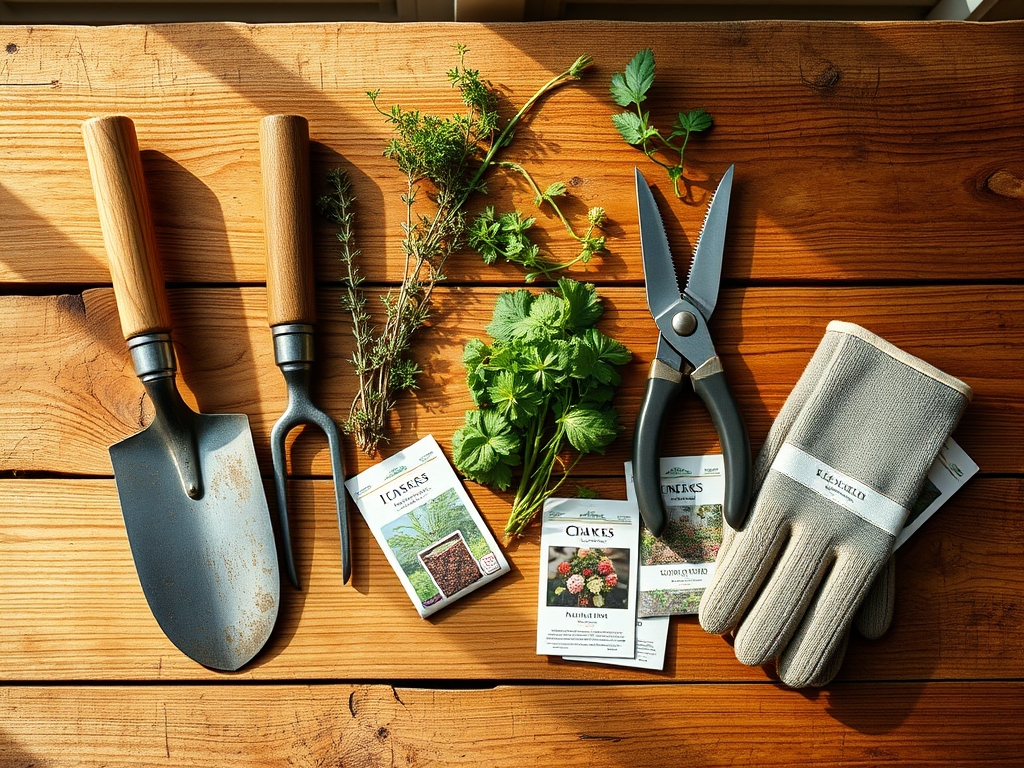
Materials:
The foundation of the courtyard is the substrate. Most culinary herbs require a pH range of 6.0 to 7.0 to maximize nutrient availability. A friable loam is the ideal physical texture; it must consist of roughly 40 percent sand, 40 percent silt, and 20 percent clay to ensure adequate pore space for oxygen.
For Mediterranean herbs like Lavender and Thyme, utilize a lean NPK ratio of 5-10-10. High nitrogen levels (the first number) force rapid vegetative growth but dilute the concentration of essential oils, leading to a weaker aroma. For leafy annuals like Basil, a balanced 10-10-10 ratio supports the high nitrogen demand of rapid leaf expansion.
Incorporate expanded shale or horticultural grit to increase the Cation Exchange Capacity (CEC) while maintaining drainage. A high CEC ensures that the soil can hold onto positively charged ions like Calcium (Ca2+) and Magnesium (Mg2+), preventing leaching during heavy irrigation cycles.
Timing:
Successful installation depends on the Biological Clock of the selected species. In USDA Hardiness Zones 7 through 9, perennial herbs should be established in the autumn to allow for root development before the summer heat stress. In Zones 3 through 6, the window opens 2 to 3 weeks after the last predicted frost when soil temperatures consistently reach 55 degrees Fahrenheit.
The transition from the vegetative stage (leaf production) to the reproductive stage (flowering) is triggered by the photoperiod. Most herbs are long-day plants, meaning they begin to bolt or flower when daylight exceeds 12 hours. To maximize harvest, the gardener must intervene before this shift, as senescence begins once the plant allocates energy to seed production. Monitor the local frost-date window with precision; a late spring frost can cause ice crystals to form within the extracellular spaces of the plant, leading to cell rupture and systemic necrosis.
Phases:
Sowing and Germination
Start seeds in a sterile, soil-less medium to prevent "damping off" caused by fungal pathogens. Maintain a constant temperature of 70 degrees Fahrenheit. Use a heat mat to provide bottom heat, which stimulates the metabolic enzymes necessary for the embryo to break dormancy.
Pro-Tip: Utilize scarification for hard-coated seeds like Parsley. By lightly abrading the seed coat, you allow for faster imbibition of water. This bypasses the physical barrier to germination, ensuring a more uniform crop stand.
Transplanting
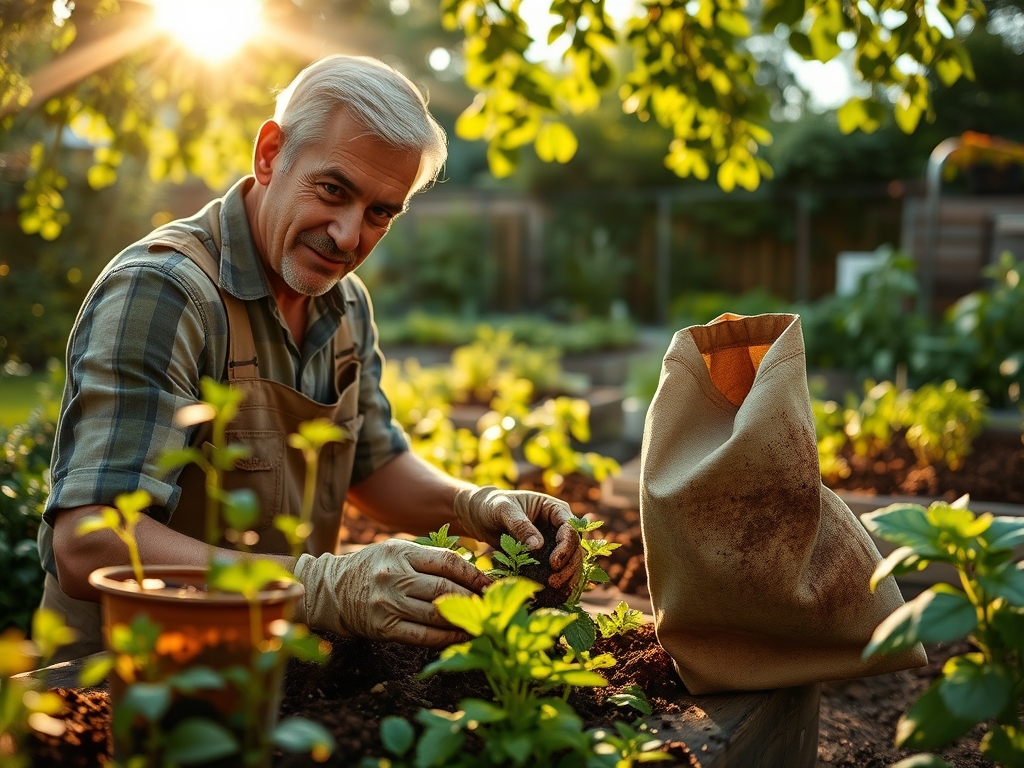
When moving seedlings to the courtyard, ensure the "root ball" is placed at the same depth as it was in the nursery container. Disturbance to the rhizosphere should be minimal to prevent transplant shock. Water immediately with a kelp-based solution to provide cytokinins, which encourage cell division in the root apical meristem.
Pro-Tip: Space plants based on their mature diameter to ensure adequate airflow. This prevents the buildup of humidity within the canopy, which reduces the risk of Erysiphales (powdery mildew) by maintaining low leaf-surface moisture.
Establishing and Hardening Off
Gradually expose indoor-grown plants to ultraviolet radiation over a period of 7 to 10 days. This process thickens the waxy cuticle on the leaf surface, reducing transpiration rates once the plant is permanently installed in the courtyard.
Pro-Tip: Apply a thin layer of organic mulch, such as pea gravel or pine bark, but keep it 2 inches away from the main stem. This prevents "stem rot" while suppressing weed competition and stabilizing soil moisture levels.
The Clinic:
Physiological Disorders
- Nitrogen Chlorosis: Observe the older leaves. If they turn a uniform pale yellow while the veins remain green, the plant lacks Nitrogen. Fix-It: Apply a water-soluble high-nitrogen fertilizer (NPK 20-10-10) for immediate uptake.
- Edema: Small bumps or blisters on the underside of leaves indicate the plant is taking up water faster than it can transpire. Fix-It: Increase airflow and reduce irrigation frequency.
- Tip Burn: Often caused by Calcium deficiency or inconsistent watering. Fix-It: Check soil pH; if it is below 6.0, add lime to increase Calcium availability and stabilize the cation exchange.
Maintenance:
Precision maintenance is the difference between a surviving garden and a thriving one. Use a soil moisture meter to ensure the substrate is dry to a depth of 2 inches before re-irrigating. Most established herbs require 1.5 inches of water per week delivered at the drip line rather than overhead. This targeted delivery keeps the foliage dry and directs resources to the root zone.
Pruning is essential for maintaining structural integrity. Use bypass pruners for clean cuts that heal quickly. When harvesting, use a hori-hori knife to weed around the base without disturbing the primary root system. Remove any necrotic (dead) tissue immediately to prevent the spread of saprophytic fungi. Periodically check for "soil crusting," which can be remediated by lightly scratching the surface with a hand rake to break surface tension and improve water infiltration.
The Yield:
The concentration of essential oils is highest in the morning, just after the dew has evaporated but before the sun reaches its zenith. Harvest no more than one-third of the plant at any single time to ensure the specimen has enough photosynthetic surface area to recover.
For woody herbs like Sage or Rosemary, cut just above a node to stimulate lateral branching. Post-harvest, place the stems in a cool, dark environment immediately. This slows the rate of respiration and preserves the volatile aromatic compounds. If using the herbs fresh, keep the stems in a glass of water at room temperature; refrigeration can cause chilling injury to tropical herbs like Basil, leading to rapid blackening of the leaf tissue.
FAQ:
How much sun do herbs need in a courtyard?
Most herbs require a minimum of 6 to 8 hours of direct solar radiation daily. In high-heat environments, afternoon shade can prevent "sunscald" and reduce the rate of transpiration, preserving the plant's internal turgor pressure.
What is the best soil for a herb courtyard?
A well-draining friable loam with a pH of 6.5 is optimal. Incorporate organic matter to improve the Cation Exchange Capacity, ensuring the soil can retain and provide essential macro and micronutrients to the herb's root system.
How do I prevent my herbs from getting leggy?
Legginess is usually a result of phototropism, where the plant stretches toward a light source. Ensure adequate light intensity and perform regular "pinching" of the terminal buds to suppress auxin and encourage bushier, lateral growth.
Can I grow herbs in containers in a courtyard?
Yes; containers offer excellent control over drainage and substrate composition. Ensure the pots have adequate drainage holes and use a high-quality potting mix to prevent soil compaction, which can lead to root asphyxiation and systemic decline.