10 Pro Tips How to Cure Garlic Bulbs
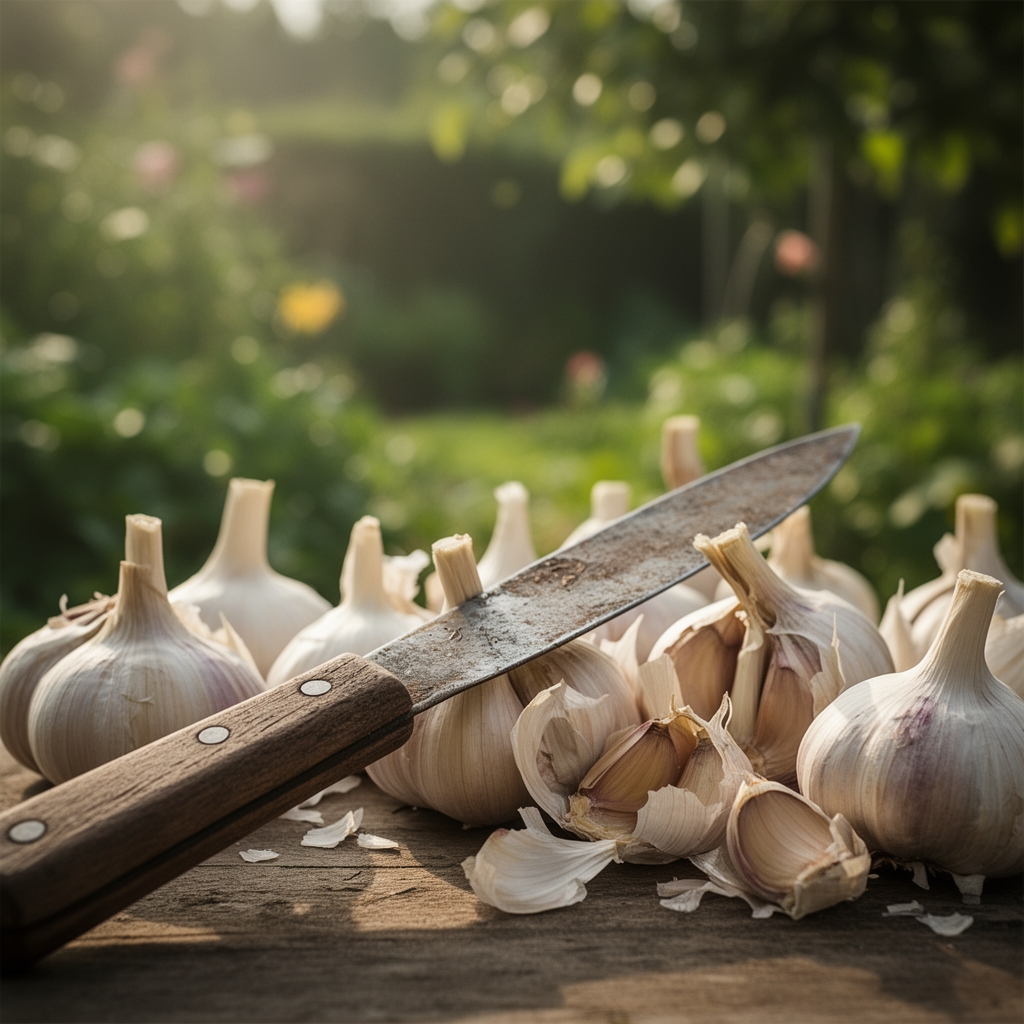
The papery rustle of freshly harvested garlic, still wearing dirt from the garden bed, signals the beginning of a critical transformation. Most growers lose 30 percent of their crop's storage potential through improper post-harvest handling. Learning how to cure garlic bulbs correctly extends shelf life from weeks to ten months and concentrates the sulfur compounds that define culinary quality. The process demands precision with temperature, humidity, and airflow. Each variable affects bulb integrity and the development of protective wrapper layers.
Materials and Soil Chemistry
Successful curing begins months before harvest. Garlic requires soil pH between 6.0 and 7.0 for optimal nutrient uptake. Apply a 4-4-4 organic fertilizer blend at planting, delivering balanced nitrogen, phosphorus, and potassium. The cation exchange capacity of your soil determines sulfur availability, the element responsible for garlic's pungency and antimicrobial properties.
Stop all nitrogen inputs six weeks before harvest. Excess nitrogen creates soft necks prone to rot during curing. Incorporate mycorrhizal fungi inoculants at planting to improve phosphorus uptake and enhance bulb wrapper formation. The fungal network extends root reach by 100 times, accessing nutrients beyond the depletion zone.
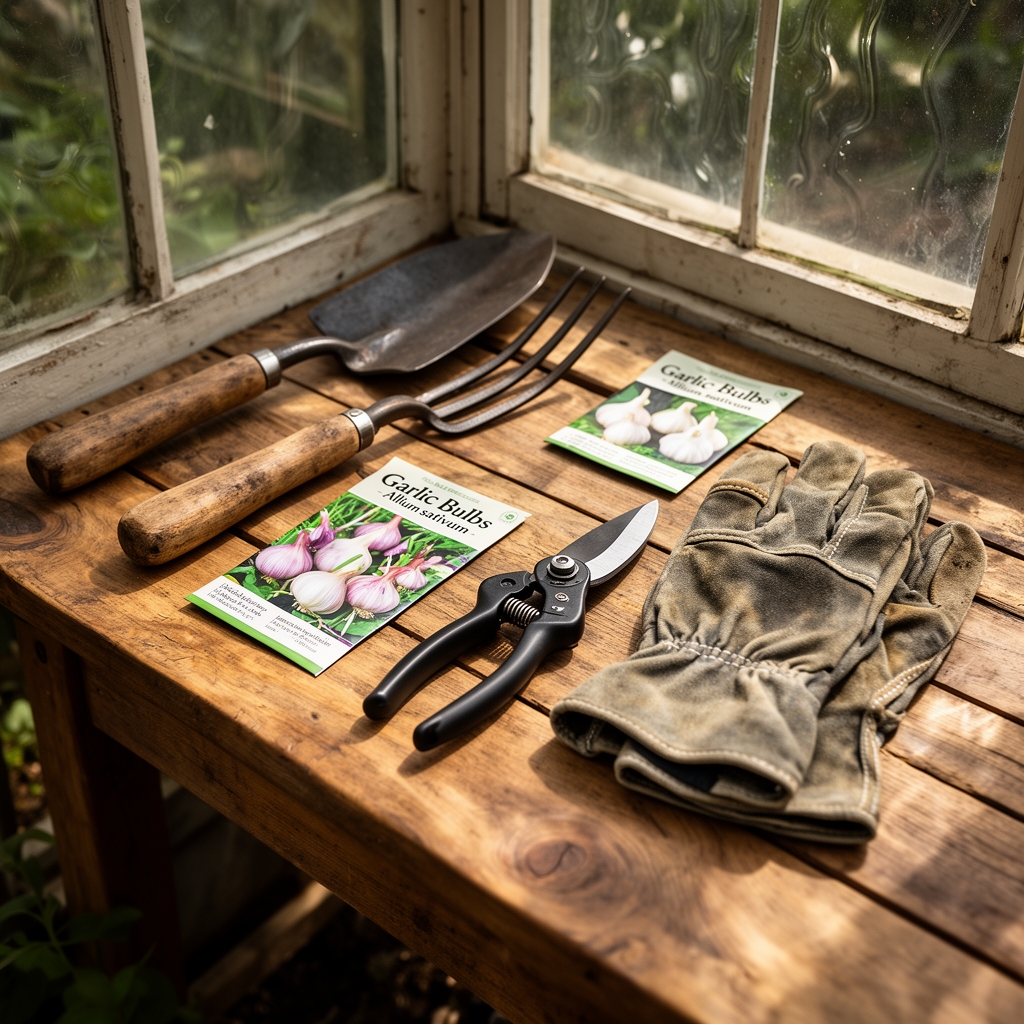
For the curing space itself, gather these items: wooden racks or mesh screens elevated 12 inches above ground, a box fan rated at 100 CFM minimum, a hygrometer for humidity monitoring, and twine or wire for bundling. Avoid galvanized metal, which corrodes in the humid curing environment and can leach zinc onto bulbs.
Timing by Hardiness Zone
Harvest timing determines curing success. In Zones 3-5, harvest occurs late July through August when three to five green leaves remain on each plant. Zones 6-7 harvest mid-June to early July. Zones 8-9 see harvests in May.
The soil temperature matters as much as calendar date. Lift bulbs when soil reaches 65-75°F at six-inch depth. Higher temperatures accelerate wrapper breakdown. Lower temperatures delay the formation of protective clove membranes.
Monitor day length alongside temperature. Hardneck varieties initiate bulbing at 14-hour day length. Softneck types require 13 hours. Harvest occurs three to four weeks after bulbing completes and scapes are removed.
Curing Phases
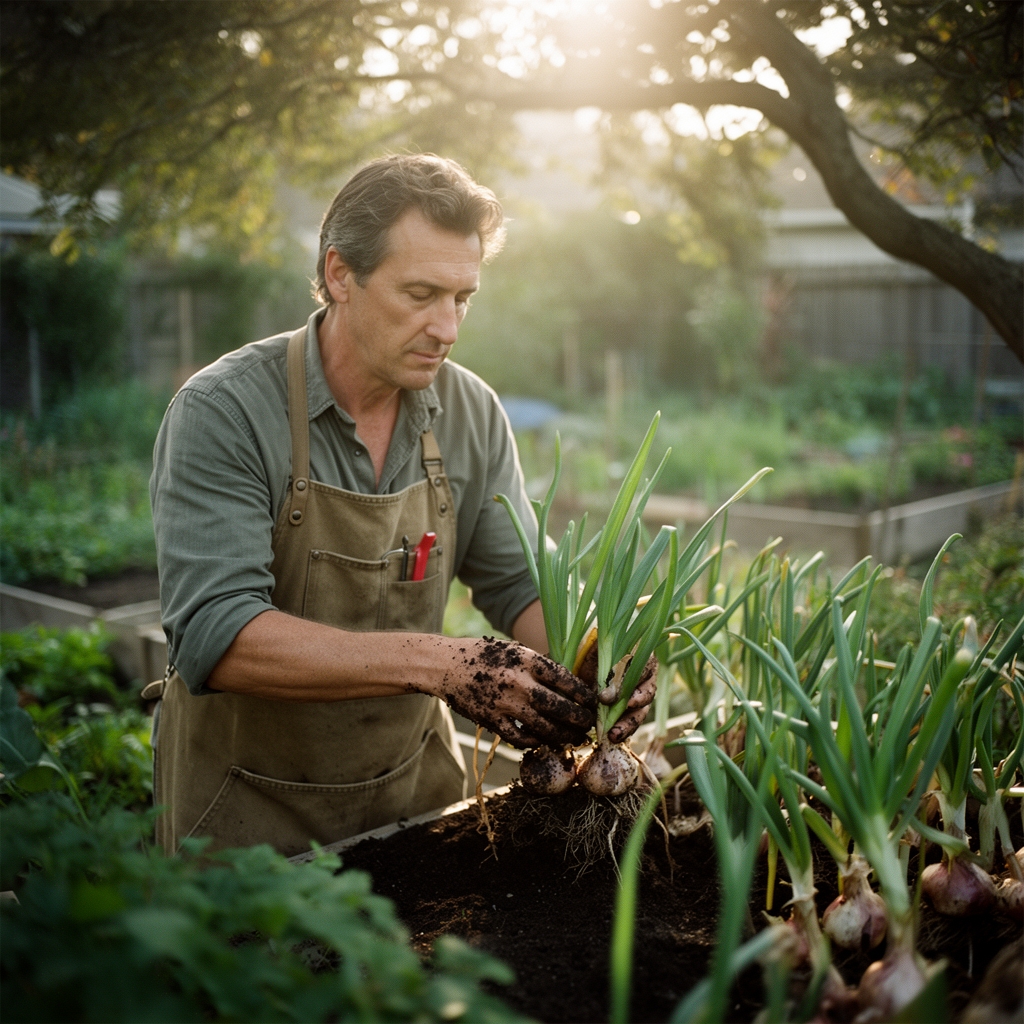
Preparation Phase (Days 0-1): Harvest garlic during morning hours after dew evaporates but before midday heat. Cut roots to one-quarter inch below the basal plate using sterilized shears. Leave stems and leaves attached; they transport moisture away from bulbs. Brush off loose soil without washing. Water introduces pathogens and extends curing time by seven to ten days.
Pro Tip: Harvest when soil moisture sits at 40 percent field capacity. Wet soil clings to bulbs and creates anaerobic pockets where Penicillium and Aspergillus fungi colonize.
Active Curing Phase (Days 2-21): Hang bulbs in bundles of six to eight or spread them in single layers on racks. Position them in a space with 60-75°F temperature and 60-70 percent relative humidity. Direct a fan across the curing area to maintain constant airflow of 0.5 mph. Stagnant air permits Botrytis neck rot.
The wrapper layers desiccate from outside in. Auxin distribution shifts as the plant redirects energy from photosynthesis to protective shell formation. Check bulbs every three days. Rotate positions to ensure even air exposure.
Pro Tip: Cure hardneck varieties for 14 days minimum. Softnecks require 21 to 28 days due to thicker neck tissue and higher moisture content at harvest.
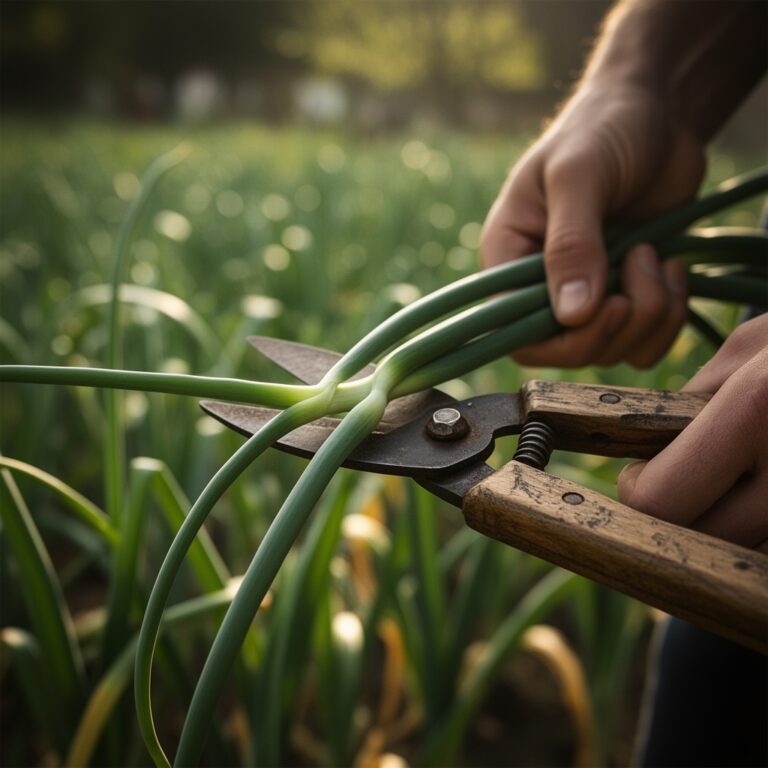
Finishing Phase (Days 22-28): Stems turn completely brown and brittle. Wrapper layers crackle when pressed. Trim stems to one inch above the bulb crown. Remove the outermost dirty wrapper if it tears easily, exposing clean white layers beneath. Roots should snap cleanly when twisted.
Pro Tip: Bulbs lose 20 percent of their fresh weight during proper curing. Weigh a sample batch at start and finish to verify adequate moisture loss.
Troubleshooting Common Disorders
Symptom: Blue-green mold on wrapper layers.
Solution: Penicillium infection entered through stem wounds. Reduce humidity below 65 percent. Increase airflow to 1.0 mph. Discard affected bulbs immediately to prevent spore spread.
Symptom: Soft, water-soaked basal plate.
Solution: Fusarium basal rot activated during curing. This fungus requires temperatures above 80°F. Move bulbs to cooler location. Affected bulbs cannot be saved.
Symptom: Cloves shrivel inside intact wrappers.
Solution: Humidity dropped below 50 percent too early. The protective layers sealed before internal moisture equalized. Use these bulbs within 30 days.
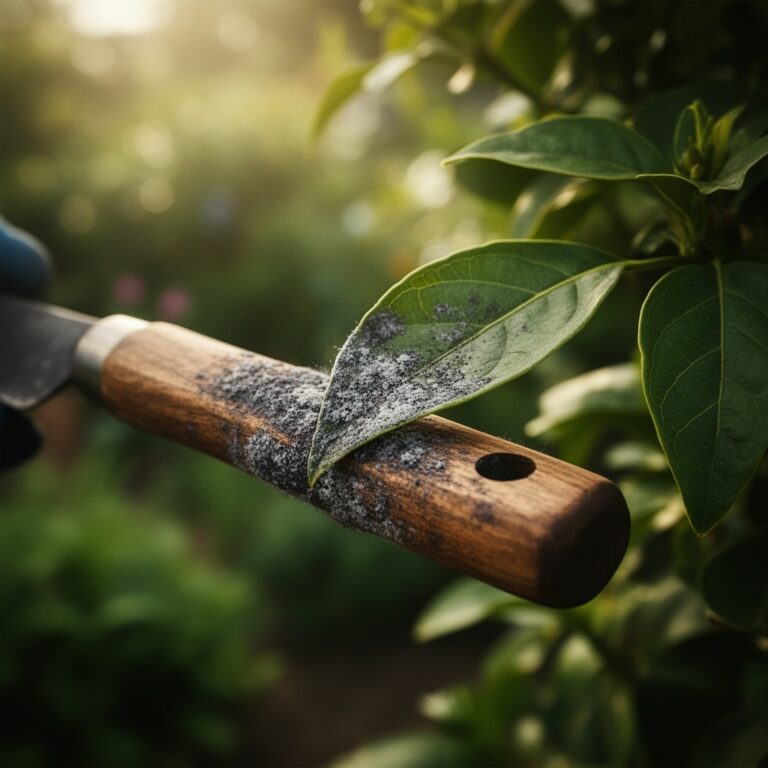
Symptom: Black powdery deposits between cloves.
Solution: Aspergillus niger colonization from pre-harvest infection. Discard entire bulb. The toxins penetrate all tissue.
Long-Term Maintenance Protocol
Store cured garlic at 55-65°F with 60 percent relative humidity. Higher temperatures trigger sprouting through gibberellic acid activation. Lower humidity desiccates cloves beyond culinary use.
Check stored bulbs monthly. Remove any showing soft spots within 24 hours. A single rotting bulb releases ethylene gas that accelerates deterioration in neighboring specimens.
Reserve the largest, healthiest bulbs for replanting. Store seed stock separately at 50°F to maintain dormancy and prevent premature root development.
FAQ
How long does proper curing take?
Hardneck garlic cures in 14 to 21 days. Softneck varieties require 21 to 28 days. Elephant garlic needs 28 to 35 days due to larger bulb mass.
Can garlic cure in direct sunlight?
No. UV radiation degrades wrapper integrity and creates sunscald. Cure in shade with bright indirect light only.
Should I wash garlic before curing?
Never. Water introduces pathogens and extends curing time by ten days. Brush off dry soil only.
What temperature kills garlic during curing?
Sustained exposure above 90°F damages cell membranes and activates dormant fungal spores. Keep curing areas below 80°F.
How do I know when curing is complete?
Stems snap cleanly when bent. Wrappers rustle like paper. Neck tissue feels completely dry when squeezed. Bulbs have lost 20 percent of harvest weight.