6 Simple Steps to Manage Seasonal Light Changes
The photoperiod narrows by three minutes each day after the summer solstice, triggering profound morphological responses in every garden plant. Chlorophyll production slows, auxin distribution shifts basally, and carbohydrate storage accelerates. The steps to manage seasonal light changes determine whether perennials overwinter successfully and whether late-season crops reach maturity before the first hard freeze. These transitions demand precise interventions timed to your USDA hardiness zone and the specific developmental stage of each specimen.
Materials
Prepare amendments that stabilize soil pH and support root expansion during light transition periods. Apply a 4-4-4 organic feather meal blend in early autumn to deliver slow-release nitrogen without promoting excessive foliar growth. For acid-loving specimens like blueberries and rhododendrons, incorporate sulfur at 0.2 pounds per 10 square feet to maintain pH between 4.5 and 5.5. Dolomitic limestone raises pH for brassicas and alliums, targeting 6.5 to 7.0.
Stock row cover fabric rated to 0.9 ounces per square yard for season extension. This weight transmits 70 percent of available light while elevating soil temperature by 4 to 6 degrees Fahrenheit. Obtain mycorrhizal inoculant containing Glomus intraradices at a concentration of 120 propagules per gram. Cation exchange capacity increases by 15 to 20 percent when fungal networks colonize root hairs during establishment phases.
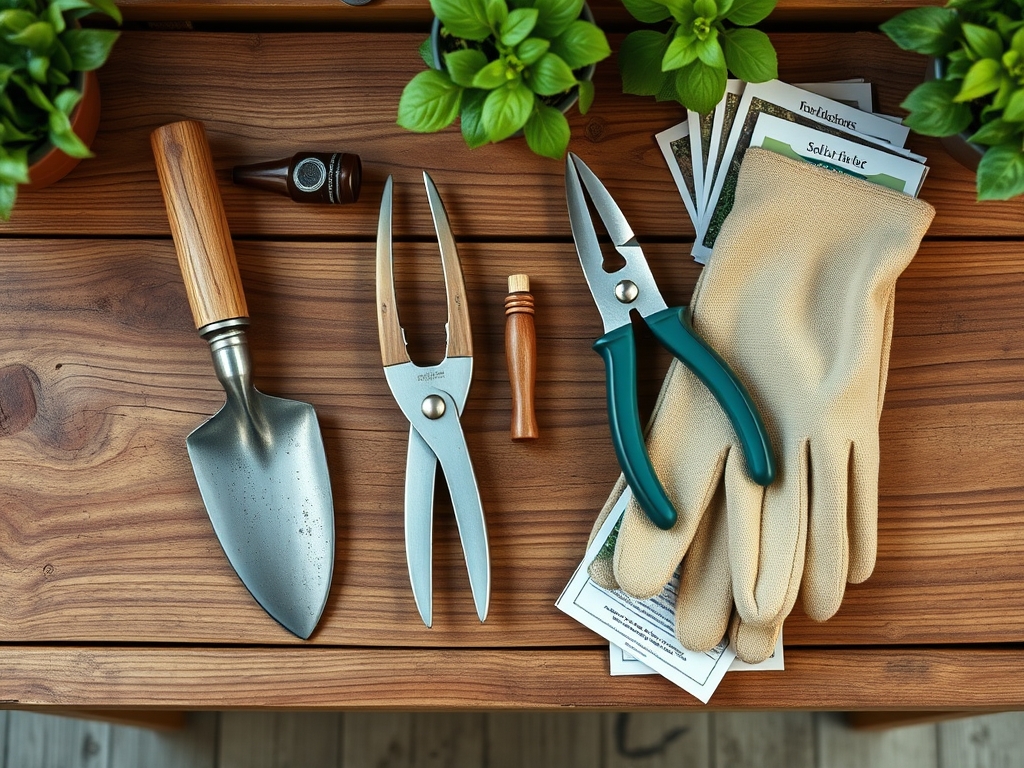
Assemble a lux meter to measure photosynthetically active radiation at canopy level. Readings below 10,000 lux indicate inadequate energy for fruit set in solanaceous crops. Procure potassium sulfate (0-0-50) to boost cold tolerance in woody perennials by strengthening cell wall integrity and reducing intracellular ice crystal formation.
Timing
In hardiness zones 5 through 7, initiate light management protocols when day length drops below 14 hours, typically between August 15 and September 1. Zones 8 through 10 begin interventions three weeks later due to slower photoperiod change rates. Calculate your first frost date using 30-year averages from the National Centers for Environmental Information, then count backward 60 days for brassica sowings and 90 days for carrots.
Spring light transitions require equal precision. Begin hardening transplants when ambient light exceeds 12 hours daily, usually March 20 through April 10 in zones 6 and 7. Each hardening session should increase UV exposure by 45 minutes while maintaining soil temperatures above 50 degrees Fahrenheit to prevent transplant shock.
Phases

Sowing Phase
Direct-sow cold-season crops 8 to 10 weeks before first frost when soil temperature measures 50 to 65 degrees Fahrenheit at 4-inch depth. Spinach germinates in 5 to 9 days under these conditions, while lettuce requires 7 to 12 days. Reduce seeding depth by one-quarter inch compared to spring sowings because lower light angles penetrate soil less effectively.
Pro-Tip: Mix seed with fine vermiculite at a 1:3 ratio to improve soil contact and moisture retention. Germination rates increase by 12 to 18 percent in autumn sowings using this method.
Transplanting Phase
Move warm-season perennials indoors when nighttime temperatures fall consistently below 55 degrees Fahrenheit. Position containers within 18 inches of south-facing windows where lux readings exceed 8,000 during midday hours. Rotate pots 90 degrees every three days to prevent phototropic leaning and maintain symmetrical canopy architecture.
Transplant spring seedlings outdoors when they develop true leaves and stem diameter reaches 3 to 4 millimeters. This structural threshold indicates sufficient lignification to withstand wind stress and temperature fluctuations.
Pro-Tip: Apply mycorrhizal inoculant directly to root balls at transplanting. Dust 1 teaspoon per 4-inch pot onto exposed roots before placing in prepared holes.
Establishing Phase
Mulch transplants with 2 inches of shredded hardwood bark to moderate soil temperature swings during establishment. Root growth continues until soil temperature drops below 40 degrees Fahrenheit, typically 4 to 6 weeks after first frost in zones 5 through 7.
Install season extension structures when average daily temperature falls to 50 degrees Fahrenheit. Secure row cover fabric with ground staples every 24 inches to prevent wind damage while allowing 6 inches of slack for plant growth.
Pro-Tip: Prune woody perennials at 45-degree angles sloping away from the primary bud. This angle sheds moisture and reduces pathogen entry points during dormancy.
Troubleshooting
Symptom: Interveinal chlorosis on new growth during autumn.
Solution: Apply chelated iron at 2 ounces per gallon as foliar spray. Reduced light intensity impairs iron uptake even when soil levels are adequate.
Symptom: Bolting in lettuce and spinach during spring transitions.
Solution: Select slow-bolt cultivars rated for 16-hour photoperiods. Provide 30 percent shade cloth when day length exceeds 15 hours.
Symptom: Blossom end rot in late-season tomatoes.
Solution: Maintain consistent soil moisture at 1 to 1.5 inches per week. Calcium translocation fails when transpiration rates fluctuate during light transitions.
Symptom: Powdery mildew on cucurbits as day length shortens.
Solution: Space plants to ensure 6 hours of direct morning light. Apply sulfur dust at 3 pounds per 1,000 square feet when humidity exceeds 60 percent.
Maintenance
Apply 1 inch of water weekly during autumn establishment, measuring with rain gauges placed at canopy level. Reduce frequency to every 10 days once soil temperature drops below 50 degrees Fahrenheit.
Feed overwintering crops with liquid kelp solution (0-0-1) at 2 tablespoons per gallon every 21 days. Trace minerals and cytokinins support root development when photosynthesis slows.
Prune damaged foliage weekly to maintain air circulation. Remove no more than 15 percent of total leaf area per session to avoid stressing plants during reduced light periods.
FAQ
When should I start seeds indoors for spring planting?
Start 6 to 8 weeks before last frost date. Provide 14 to 16 hours of artificial light at 5,000 to 7,000 lux.
How do I prevent leggy seedlings in winter?
Position grow lights 3 to 4 inches above foliage. Maintain this distance as plants grow to ensure adequate photosynthetically active radiation.
Can I use autumn leaves as mulch?
Shred leaves to pieces smaller than 1 inch. Whole leaves mat and block oxygen exchange, promoting anaerobic soil conditions.
What temperature triggers dormancy?
Most temperate perennials enter dormancy when soil temperature remains below 45 degrees Fahrenheit for 7 consecutive days.
Should I fertilize during short day periods?
Reduce nitrogen by 50 percent. Apply phosphorus and potassium at standard rates to support root growth and cold hardiness.