8 Best Compost for Fruit Trees
The scent of geosmin rising from a freshly turned pile of organic matter indicates the presence of Actinomycetes; these bacteria are essential for breaking down complex lignins. When you apply the best compost for fruit trees, you are not merely feeding the plant but fueling a complex subterranean economy. A healthy leaf exhibits high turgor pressure; its cellular walls are rigid and hydrated. This rigidity depends on the osmotic balance within the rhizosphere. Fruit trees require a steady supply of micronutrients to maintain this cellular integrity throughout the growing season. Without proper soil structure, roots suffer from hypoxia, leading to stunted growth and reduced fruit set. High-quality compost improves the Cation Exchange Capacity (CEC) of the soil, allowing the root system to hold and exchange essential ions like potassium and magnesium. This guide focuses on the technical application of organic amendments to optimize tree health and maximize yields through precise horticultural science.
Materials:
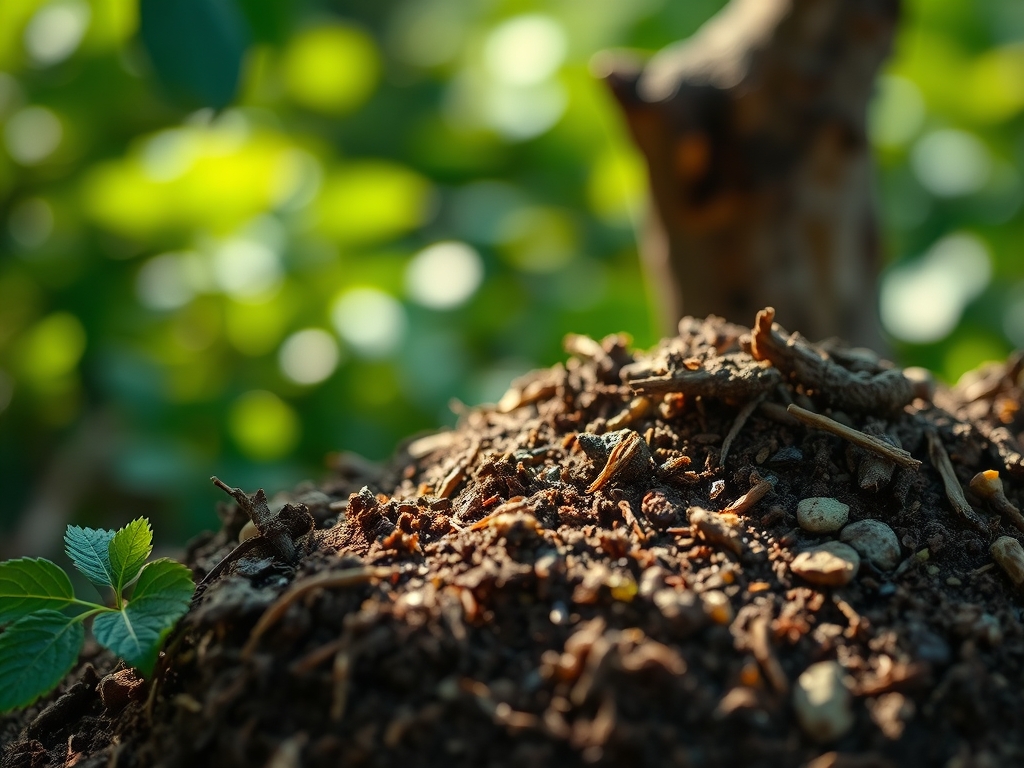
Selecting the correct substrate requires an understanding of NPK ratios and pH levels. For most deciduous fruit trees, a pH range of 6.0 to 7.0 is ideal for nutrient bioavailability. The physical texture should be a friable loam; it must crumble easily under pressure and not form a hard clod when wet.
- Vermicompost (NPK 2-1-1): High in humic acid and plant growth regulators. It significantly boosts the CEC of sandy soils.
- Aged Bovine Manure (NPK 1-0.5-0.5): Must be composted for at least 180 days to neutralize pathogens and weed seeds. It provides a slow-release nitrogen source.
- Mushroom Compost (pH 6.5-7.5): Rich in calcium, which is vital for cell wall development in pome fruits. Use cautiously with acid-loving species like blueberries.
- Leaf Mold: Highly fungal-dominant. It is excellent for establishing mycorrhizal networks in the soil.
- Poultry Litter (NPK 3-2-2): High phosphorus content supports flower induction and root development. It should be used sparingly to avoid salt buildup.
- Composted Bark: Increases macroporosity in heavy clay soils, improving drainage and oxygen diffusion.
- Seaweed/Kelp Compost: Contains over 60 trace minerals and cytokinins that help the tree manage abiotic stress.
- Home-Brewed Thermal Compost: Achieved by maintaining a pile temperature of 135 to 160 degrees Fahrenheit to ensure the destruction of phytopathogens.
Timing:
Hardiness Zones 4 through 9 dictate the application windows for organic amendments. In colder zones, the first application should occur as the soil temperature reaches 45 degrees Fahrenheit, typically two to three weeks before the first bud break. This aligns with the "Biological Clock" of the tree as it transitions from dormancy to the vegetative stage. During this period, the tree demands high nitrogen to support the flush of new leaves.
The second critical window is the transition from the vegetative to the reproductive stage. For most stone fruits, this occurs in late spring. Applying compost during this phase supports fruit swell and prevents premature fruit drop. Avoid high-nitrogen applications after mid-summer in Zones 4-6; late-season growth may not harden off before the first frost, leading to vascular damage and winter kill.
Phases:
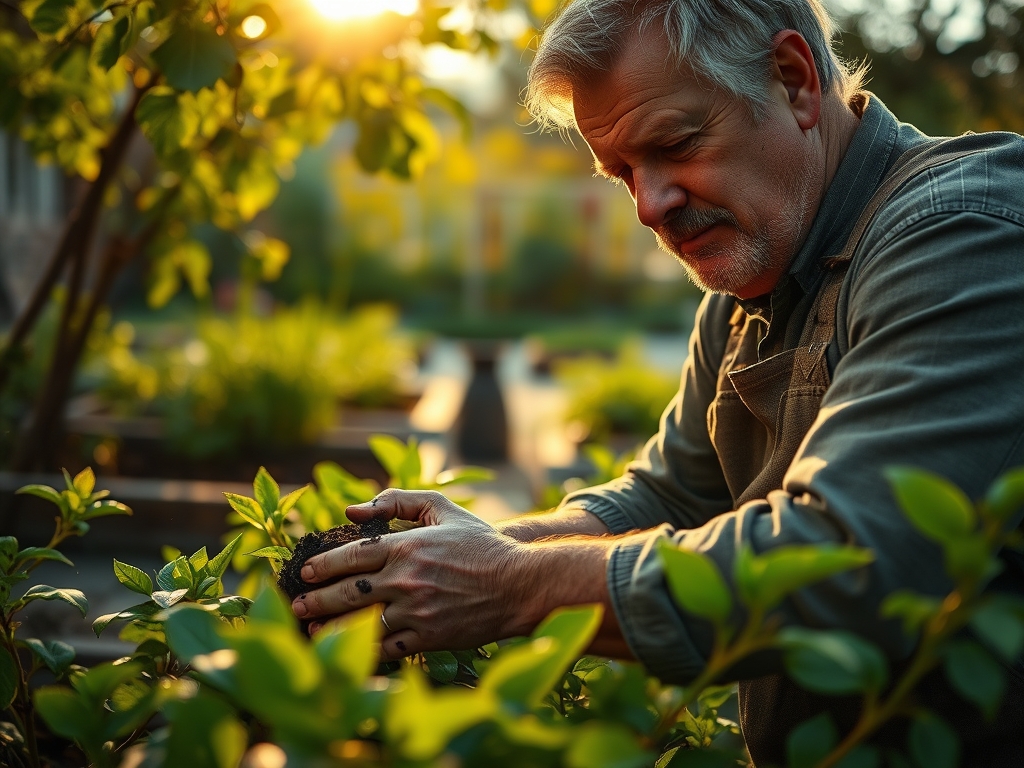
Sowing and Seedling Development
When starting fruit trees from seed or grafting, the substrate must be sterile yet nutrient-dense. Use a mix of 50 percent perlite and 50 percent fine vermicompost. This ensures high oxygen availability at the root zone while providing the necessary minerals for early development.
Pro-Tip: Seedlings exhibit phototropism, leaning toward light sources. Use a high-quality compost to ensure the plant has the phosphorus required to build a sturdy enough stem to support this directional growth.
Transplanting
When moving a tree from a container to the field, the planting hole should be twice as wide as the root ball but no deeper. Mix 30 percent compost with the native backfill soil. This prevents "pot-bound" behavior where roots refuse to leave the rich compost to enter the leaner native soil.
Pro-Tip: Inoculate the compost with endomycorrhizal fungi during transplanting. This creates a mycorrhizal symbiosis that increases the effective root surface area by up to 1,000 times, enhancing water uptake during drought.
Establishing and Maturation
For established trees, apply compost as a top-dressing. Spread a 2-inch layer from 6 inches away from the trunk to the edge of the drip line. This mimics the natural forest floor and encourages the development of fine feeder roots near the surface.
Pro-Tip: Applying compost to the surface suppresses auxin suppression in the lower canopy by maintaining cooler soil temperatures. This encourages a more balanced growth habit and prevents the tree from becoming overly leggy.
The Clinic:
Physiological disorders often stem from nutrient imbalances or poor soil structure. Identifying these early is critical for tree longevity.
-
Symptom: Interveinal chlorosis (yellowing between leaf veins).
Solution: This indicates a lack of iron or magnesium.
Fix-It: Apply a sulfur-fortified compost to lower the pH slightly, making iron more bioavailable. -
Symptom: Blossom end rot in citrus or pome fruits.
Solution: Calcium deficiency or inconsistent moisture levels.
Fix-It: Incorporate crushed eggshells or gypsum into your compost and ensure consistent irrigation to facilitate calcium transport. -
Symptom: Leaf curl and stunted terminal buds.
Solution: Nitrogen toxicity or boron deficiency.
Fix-It: Flush the soil with water and apply a high-carbon mulch like wood chips to tie up excess nitrogen. -
Symptom: Anthracnose or fungal spotting.
Solution: Poor air circulation and high humidity in the canopy.
Fix-It: Prune for an open-center shape and use compost tea as a foliar spray to introduce beneficial microbes that compete with pathogens.
Maintenance:
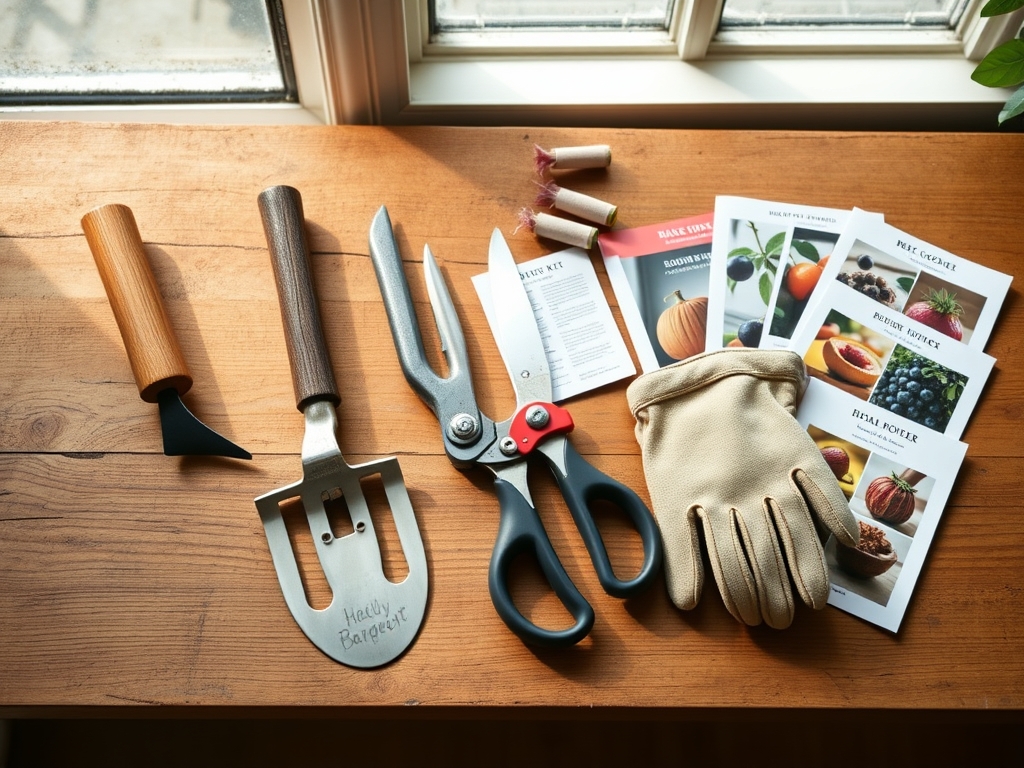
Precision in maintenance prevents the leaching of nutrients. Use a soil moisture meter to ensure the root zone stays between 60 and 80 percent field capacity. Most fruit trees require 1.5 inches of water per week delivered at the drip line. Use a hori-hori knife to check for soil compaction; if the blade cannot penetrate 4 inches easily, incorporate more organic matter.
Annual pruning with sharp bypass pruners is mandatory. Remove the "Three Ds": dead, damaged, or diseased wood. This redirects the tree's energy into fruit production rather than maintaining unproductive tissue. Always sanitize tools with 70 percent isopropyl alcohol between trees to prevent the spread of systemic infections.
The Yield:
Harvesting is the culmination of the tree's annual energy cycle. For pome fruits like apples, check for seed color; brown seeds indicate physiological maturity. For stone fruits, use the "ground color" test; the base color of the skin should shift from green to yellow or cream.
Handle fruit with care to avoid bruising, which triggers rapid senescence through ethylene gas release. Store fruit at 32 to 35 degrees Fahrenheit with high humidity to maintain day-one freshness. Post-harvest, apply a light layer of compost to help the tree replenish its carbohydrate reserves before dormancy.
FAQ:
How much compost does a mature fruit tree need?
Apply a 1 to 2-inch layer of compost annually. Spread it from the trunk base to the drip line. This equates to approximately 2 to 3 cubic feet of material for a medium-sized fruit tree.
Can I use fresh manure on fruit trees?
No. Fresh manure contains high ammonia levels that can cause root cauterization. It also harbors pathogens like E. coli. Always age manure for a minimum of six months before applying it to the rhizosphere.
What is the best NPK for fruit tree compost?
A balanced ratio like 1-1-1 or 2-1-1 is ideal. High nitrogen (the first number) promotes leaf growth, while phosphorus and potassium (the second and third numbers) are essential for root health and fruit development.
Does compost change soil pH?
Yes. Finished compost typically has a neutral pH (6.0 to 8.0). Over time, regular applications of organic matter act as a buffer, stabilizing the soil pH and making nutrients more accessible to the tree's vascular system.